Summer is a time to slow down, and catch up with all that you may have missed in the rush of the first half of the year. Here are three books, each different in scope and spirit, yet each reveals something essential about the craft, the people, and the relationships behind the jewels. From the goldsmithing ateliers of Ottoman Istanbul to the sculptural world of one of London's most distinctive jewellers, and on to the creative partnerships driving contemporary design, here are the books to read this summer.
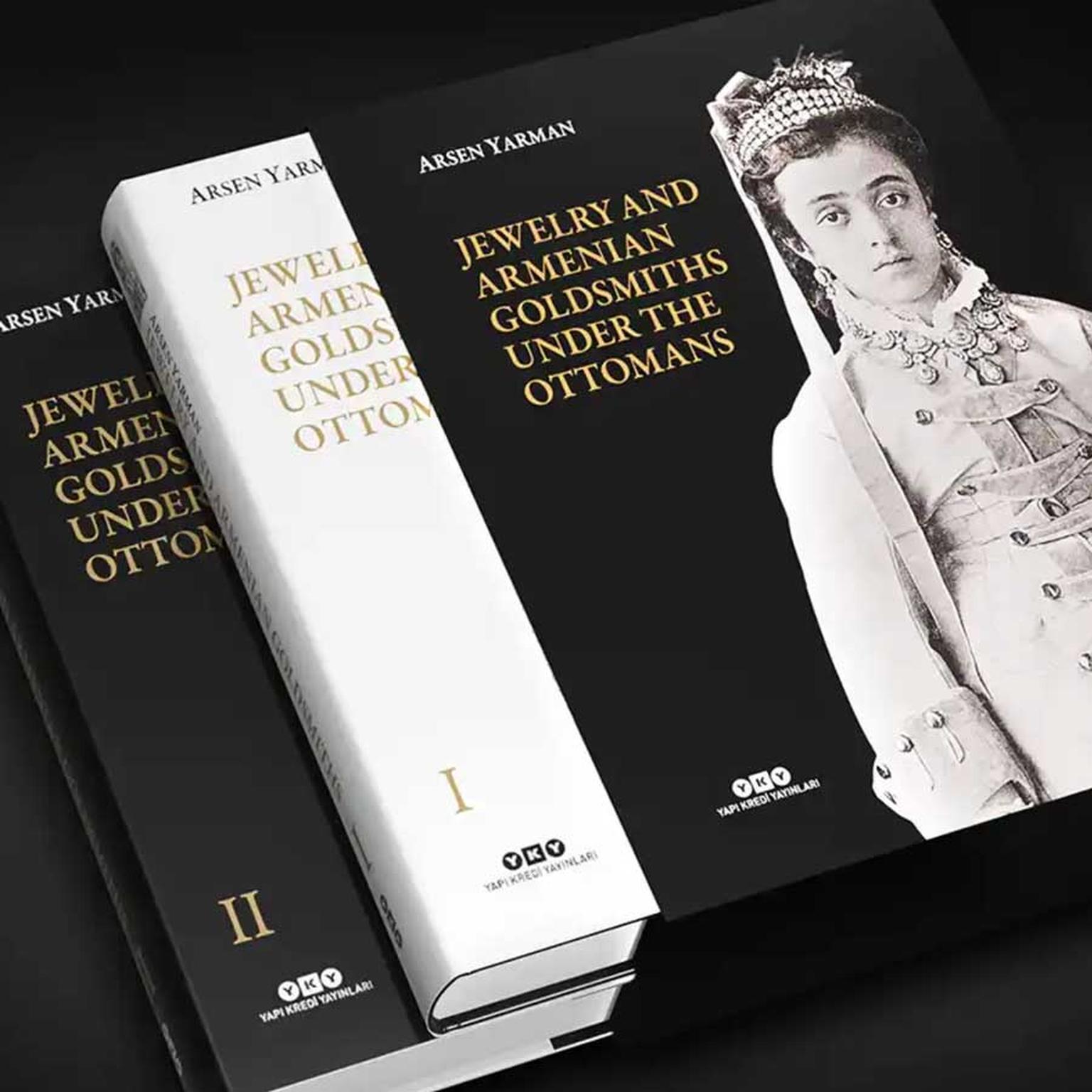
Jewelry and Armenian Goldsmiths under the Ottomans
By Arsen Yarman
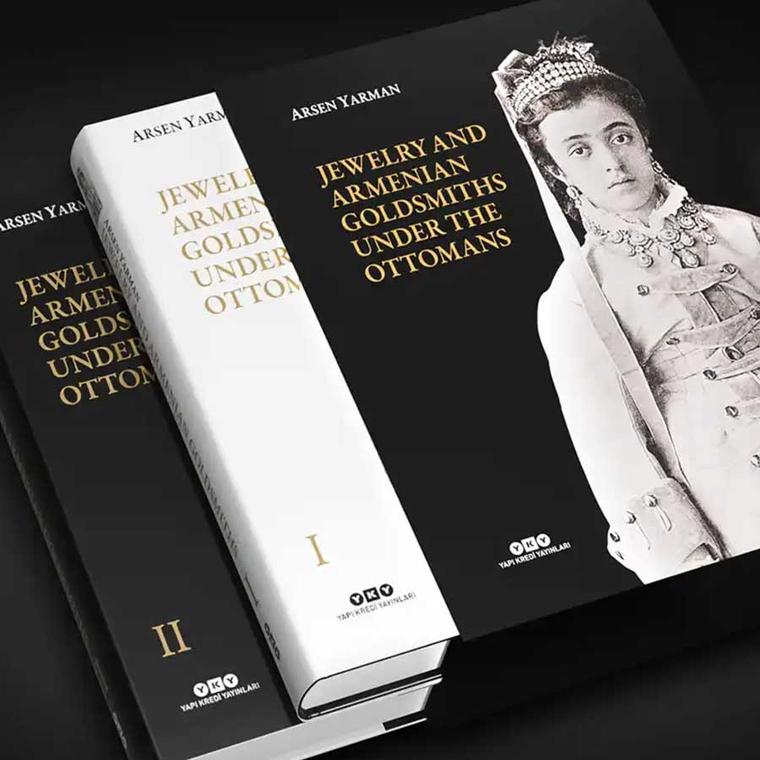
I don’t suggest packing this hefty, two volume work as it will take up most of your luggage allowance. However, it is perfect for dipping in and out over the holidays and a reference for years to come. Arsen Yarman's monumental two volume study of Armenian goldsmiths under Ottoman rule fills a void that few were aware existed. First published in Turkish in 2022, it sold out within eighteen months, prompting this English language edition that makes the scholarship accessible to a far wider readership for the first time.
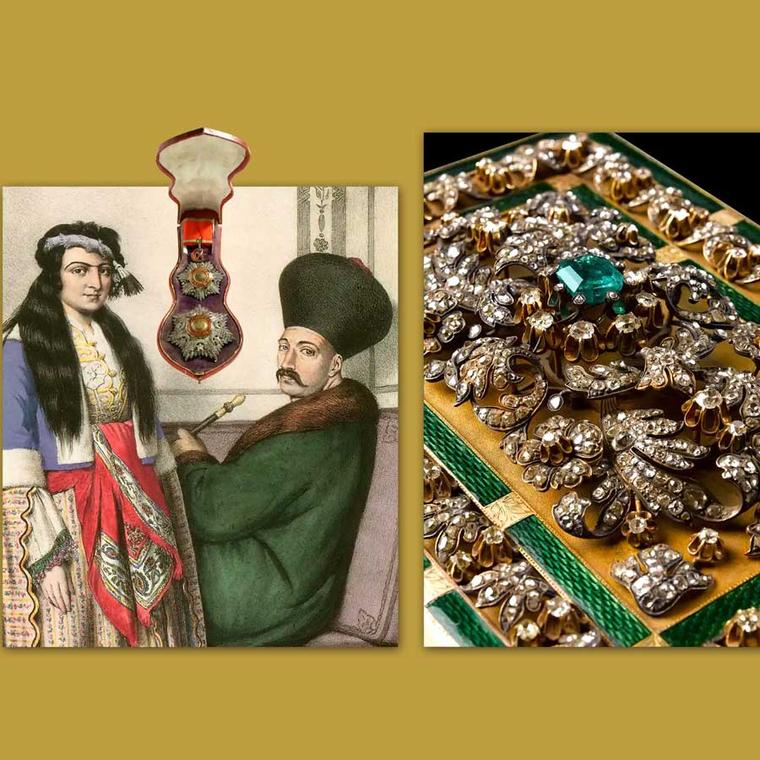
The scope is extraordinary. Spanning the 16th to the 20th century, Yarman traces the Armenian goldsmiths who were, for centuries, the creative engine of Ottoman jewellery. He reveals where the precious stones came from, where they were processed, who designed the jewels and where, who executed these designs, and who wore them, inside and outside the palace. This is a world in which jewellery designs were hand drawn with a pencil, diamonds were cut using foot pedals, and precious minerals were shaped by manual dexterity and hand drills.
Volume I comprises seven chapters, Volume II a further six, and together they present Ottoman and Armenian documents, many published here for the first time. The visual material alone is reason enough to own the book: jewellery from across four centuries, orders and medals, jewellers' seals, liturgical objects, silver, watches, arms and swords, models, and original jewellery drawings. This is primary source material of the highest order.
Yarman also explores the human dimension by tracing the families who practised the craft for generations, some of whom continue to do so today, and describes what he calls their bittersweet relationship with the palace. The personal stories, accompanied by fascinating historical anecdotes, add colour to what might otherwise be a more academic accomplishment.
Over hundreds of years, Armenian goldsmiths developed the art of jewellery with peerless workmanship and elegant designs. That their contribution has been so poorly documented until now makes Yarman's achievement all the more significant. As he writes in his closing pages, the interest sparked by this research motivates him to study the worldwide activities of Armenian goldsmiths. He knows it would entail more effort and labour than the present book, but feels he has the strength and courage to start a new journey. For anyone who cares about the deep history of goldsmithing, this is essential reading.
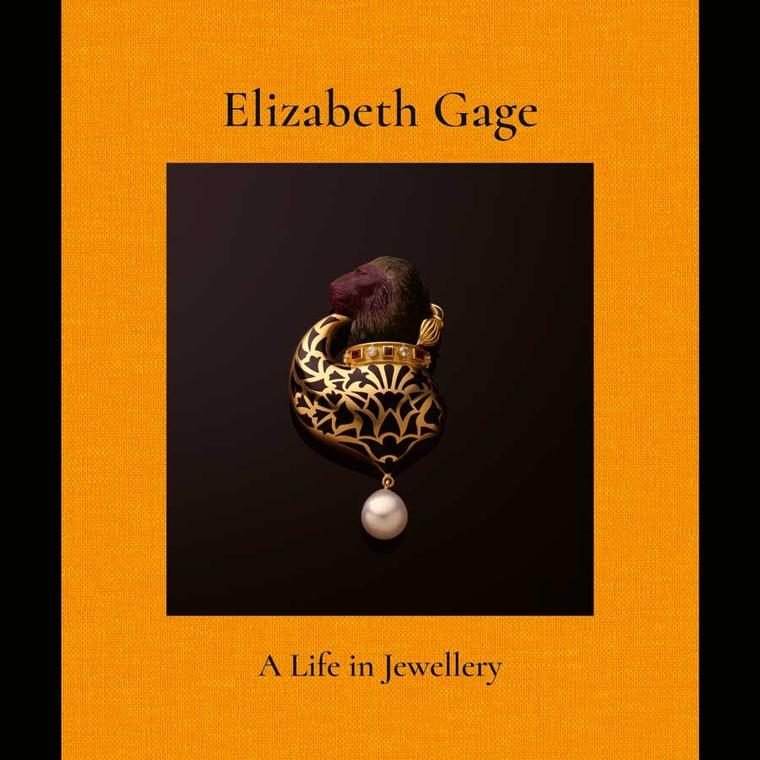
Elizabeth Gage: A Life in Jewellery
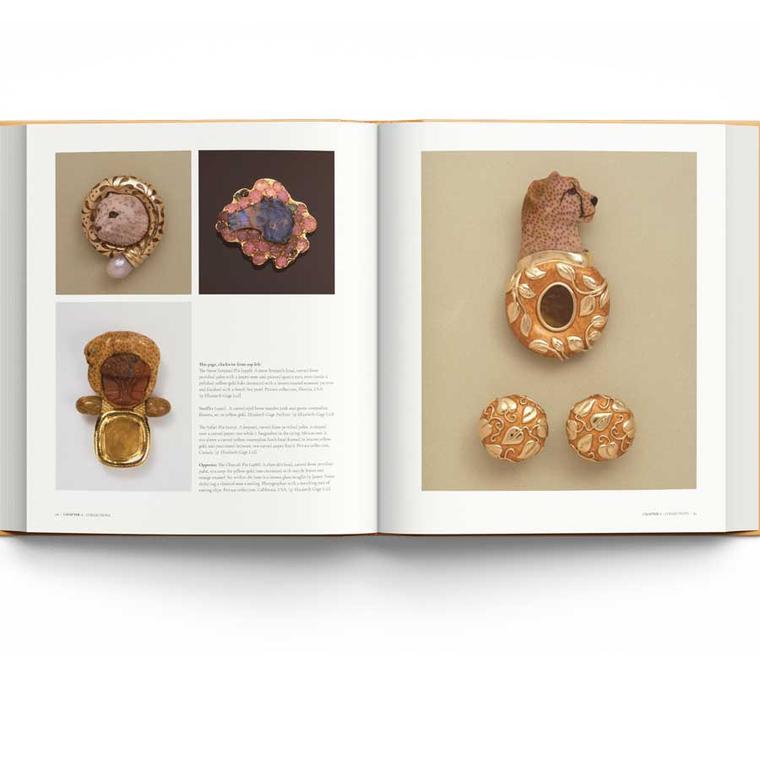
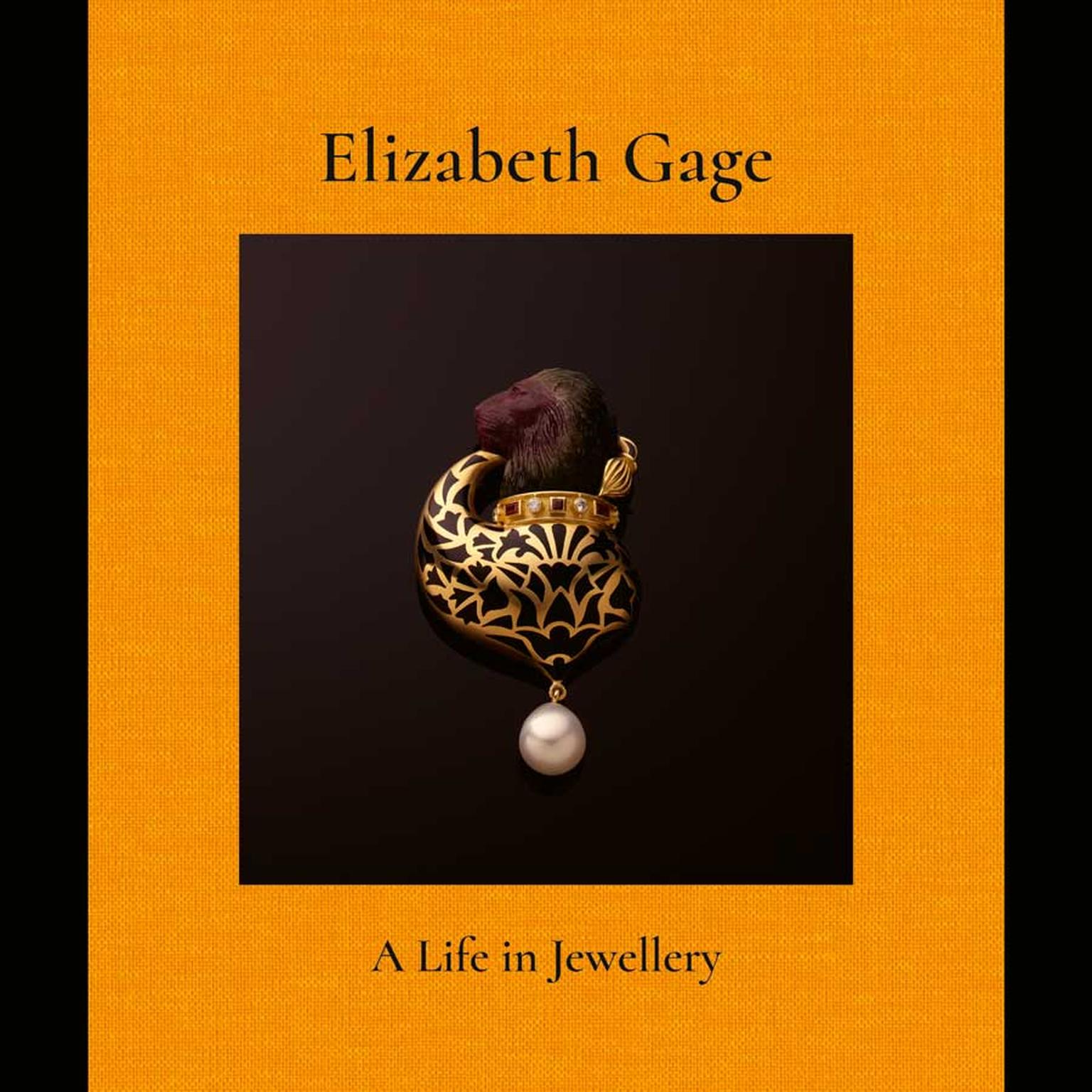
For more than six decades, Elizabeth Gage she has created a body of work recognised by its timeless, distinctive style that draws on a rich vein of ancient historical references.
British by birth and American in spirit, Gage's upbringing instilled an independence and confidence that would later define her work. A long childhood illness gave rise to a profound love of history and storytelling, influences that remain central to her designs. With both her mother and grandmother artists, creativity was inherited as much as it was learned. She studied at Chelsea School of Art before training as a goldsmith at Sir John Cass College, where technical mastery became the foundation for a lifetime of artistic freedom.
A visit to the world of Elizabeth Gage is to encounter jewellery that does not seek approval. Bold, sculptural and richly intellectual, her work fuses traditional goldsmithing with the influence of civilisations past, mythology and art history. Gold is treated as a medium of expression rather than restraint; enamel is used with painterly confidence; gemstones are selected for character, colour and emotional presence, not convention.
The book captures the spirit of Elizabeth Gage jewellery that is made to be worn every day and ages graciously. Her pieces are instantly recognisable, and collectors often remark that they make friends, sparking conversation and shared anecdotes. During the 1970s, her trunk shows in the United States became cultural gatherings rather than commercial events, and she welcomed collectors personally, including Jackie Onassis.
Returning to London in 1979, she opened her first studio in Beauchamp Place before establishing her flagship boutique in Albemarle Street in 1984, designed by Elizabeth. This is a book for anyone who values jewellery as an art with a story to tell.
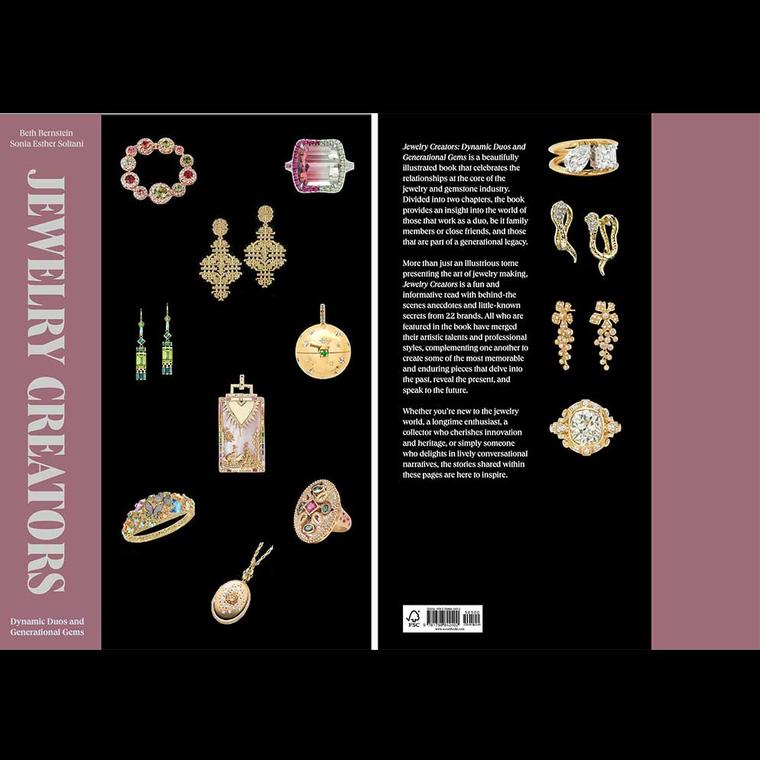
Jewelry Creators: Dynamic Duos & Generation Gems
By Beth Bernstein and Sonia Esther Soltani
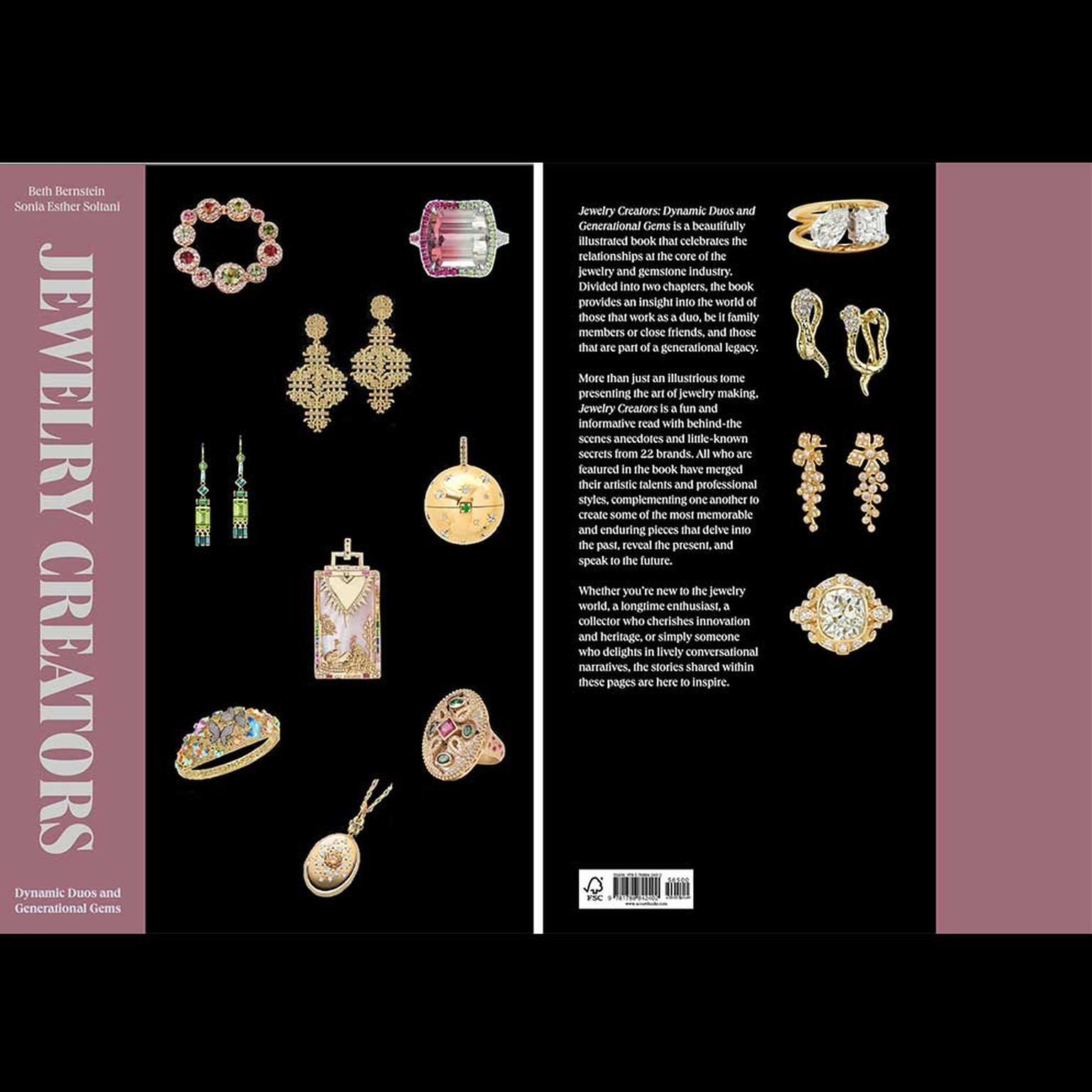
If you look back at the most storied jewellery houses throughout history, their success has often been rooted in family ties, generational continuity, and creative partnerships. Experienced jewellery journalists Beth Bernstein and Sonia Esther Soltani know this territory well and their new book explores the human relationships, creative exchanges, and shared visions behind some of the most compelling contemporary brands.
Dynamic Duos explores the alchemy of partnership — married couples, siblings, parents and children, and friends whose complementary talents have given rise to distinctive work. Generational Gems celebrates continuity and evolution, highlighting those who have jewellery in their blood and are now balancing heritage with innovation.
Tomer Michaelin of Artëmer describes the creative force he and his wife Tanya pull from one another; Jessica Busiashvili of OX reflects on the shared vision and duty she has with her brother Michael; Nadine Aysoy recalls playing with stones at her grandfather's De Beers sightholder offices in Antwerp before eventually founding her own brand at fifty. Demetra Lalaounis takes us back to the workshop at the foot of the Acropolis where she and her three sisters hammered away as children, more often deconstructing than creating, but always with great zeal and passion.
What emerges is a portrait of an industry still fundamentally shaped by personal bonds, trust, and the handing on of knowledge. For anyone interested in what lies behind the jewels including the arguments, the compromises, and the shared ambitions, this is a rewarding and revealing read.