At Watches & Wonders Geneva 2026, Chanel did not attempt to compete on technical escalation. Instead, it continued to refine a distinctive approach, treating time as secondary to form, identity and craft.
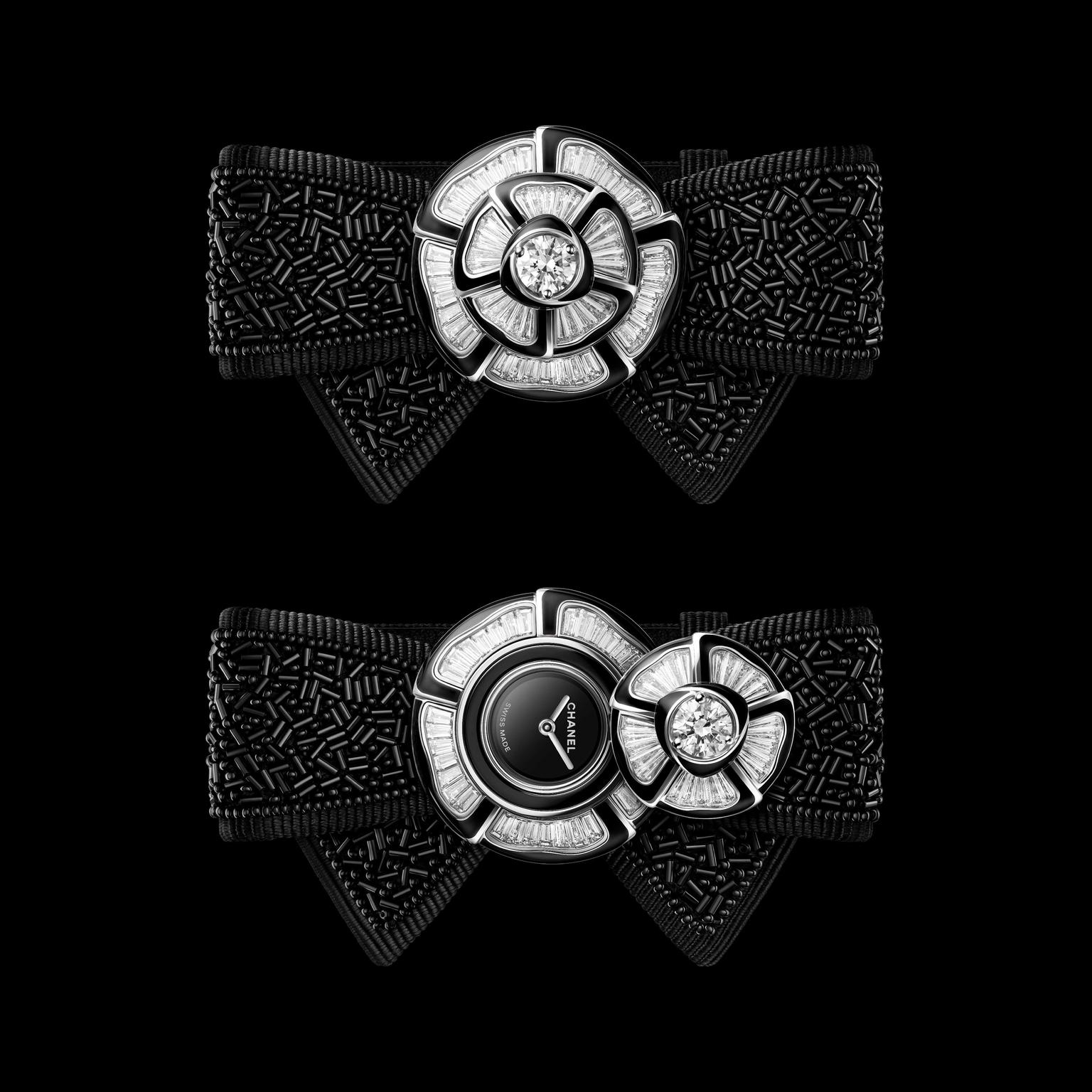
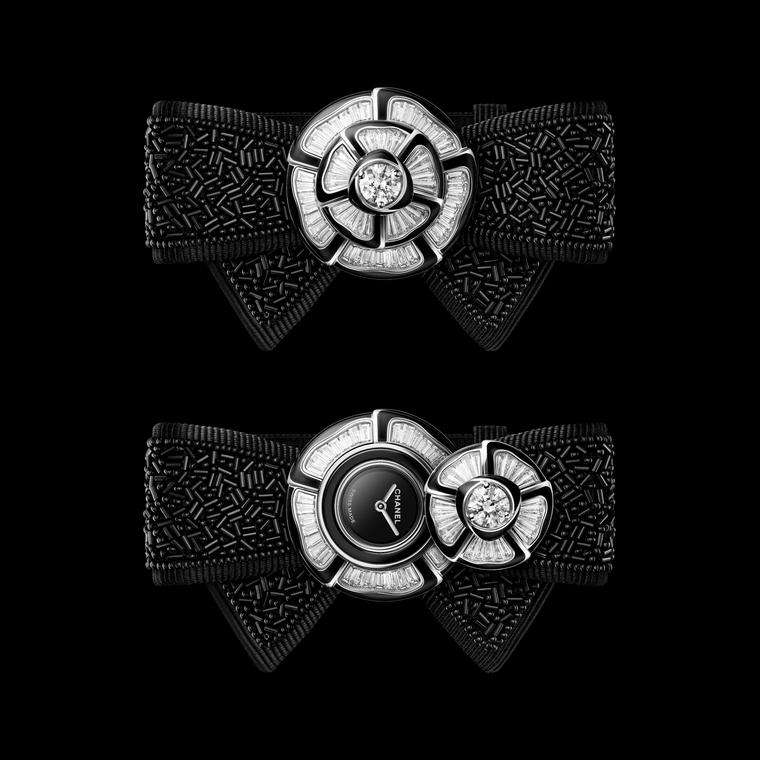
The most explicit expression of this approach appears in the Noeud de Camélia embroidered cuff, a limited series of 20 pieces. The watch is almost incidental. A diamond-set camellia in white gold conceals a 10 mm dial, while the bracelet itself — a black grosgrain-effect ribbon — is embroidered with sequins by Maison Lesage . Acquired by Chanel in 2002 and integrated into its Métiers d’art division, Lesage remains one of the last great Parisian embroidery houses, historically supplying couture clients from Dior to Balenciaga, and still working across the industry today. Its role here is not decorative. The embroidery reinforces the illusion: this is read first as couture, then as jewellery, and only lastly as a watch.
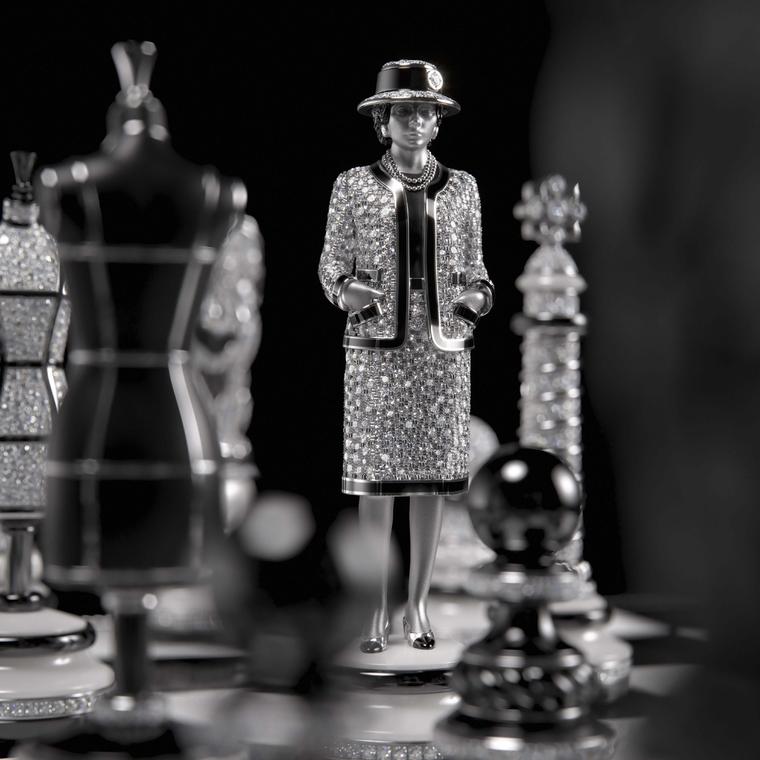
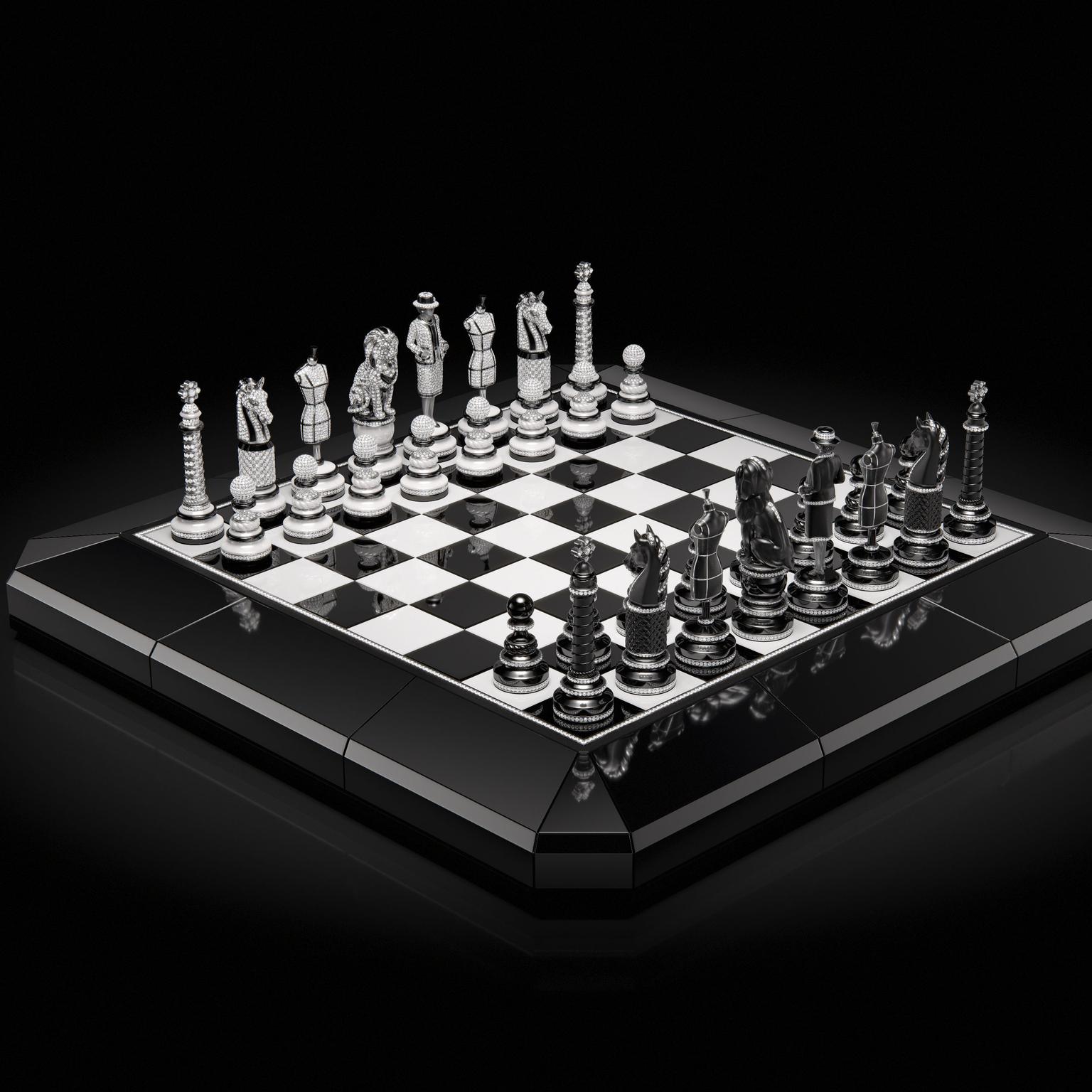
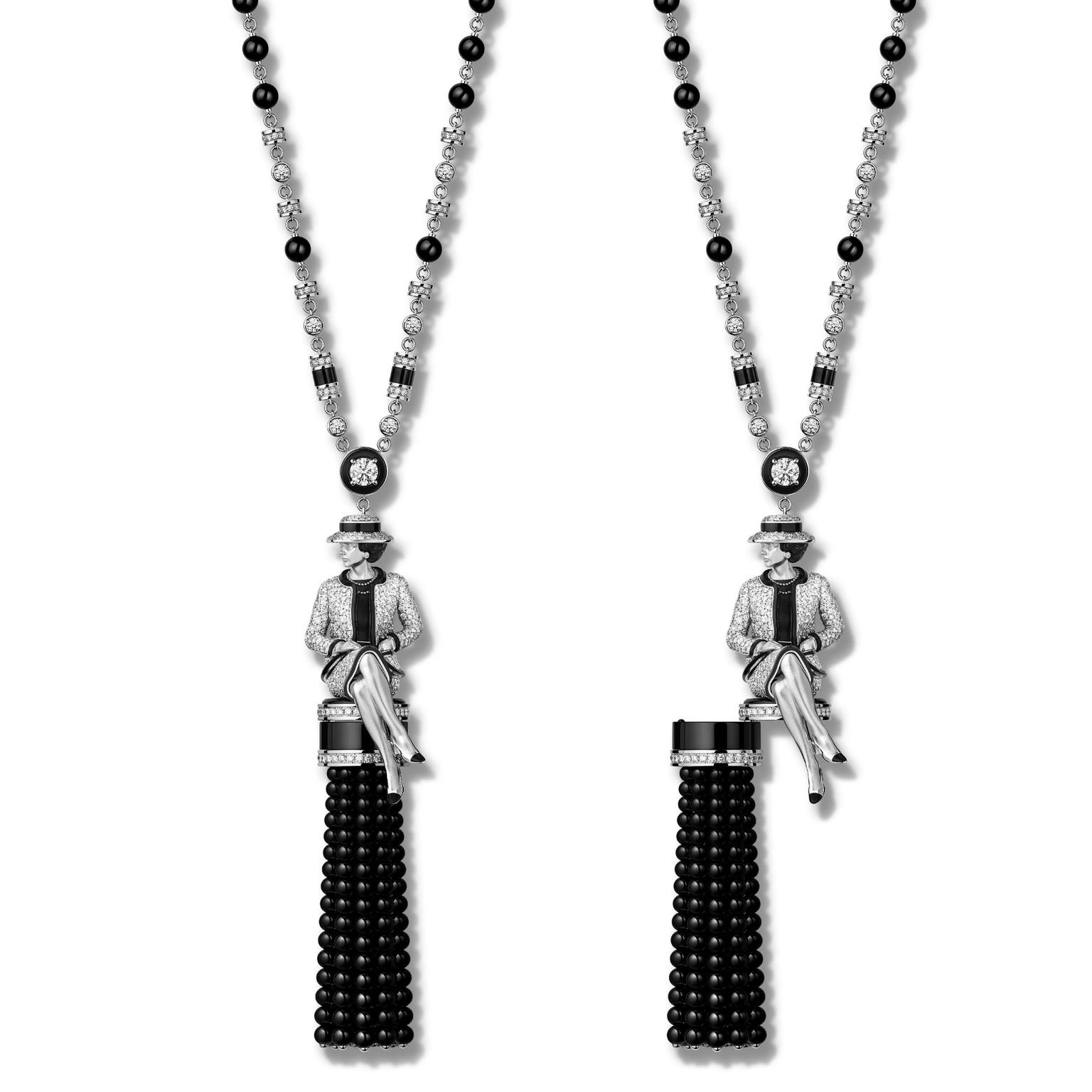
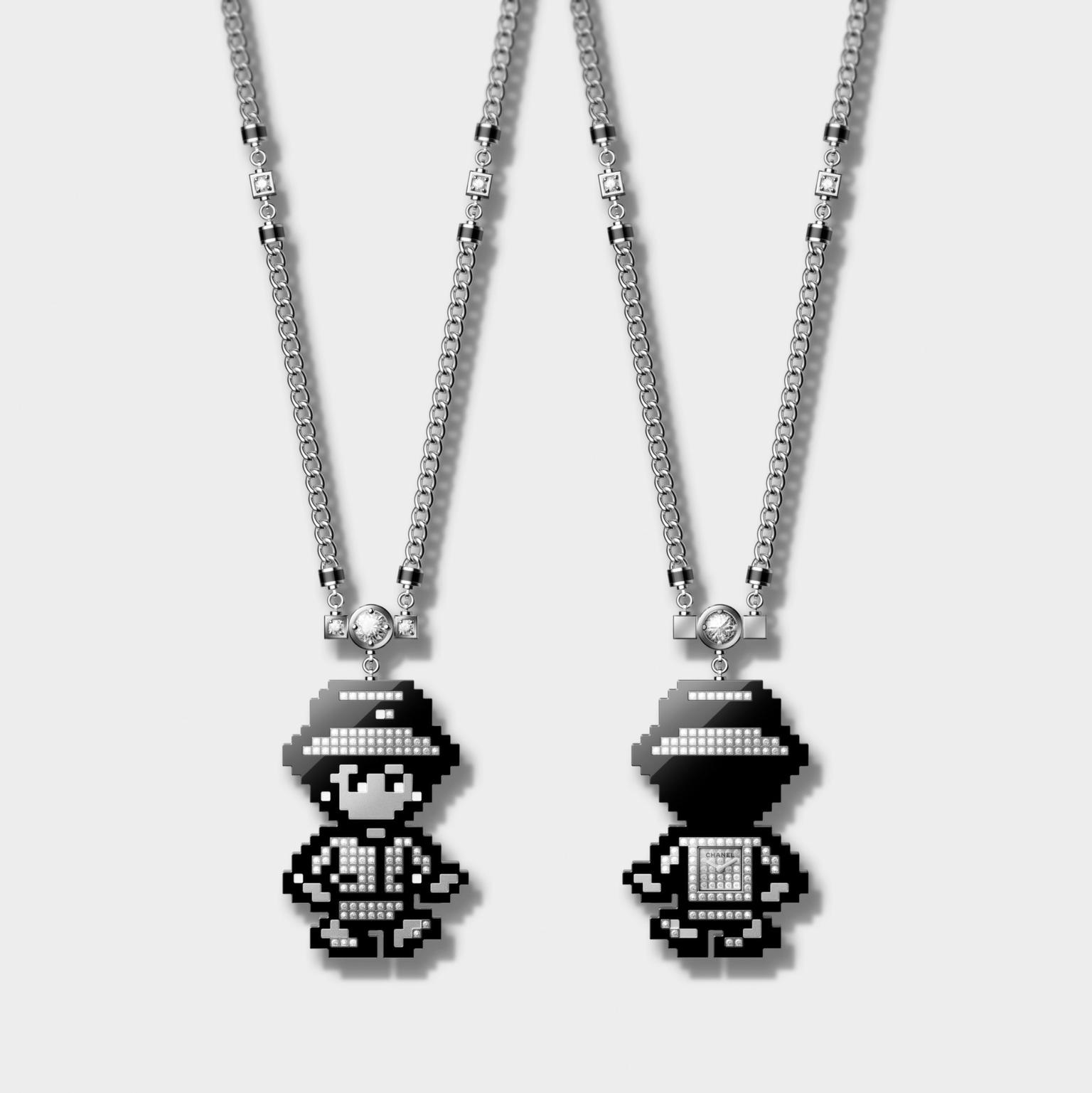
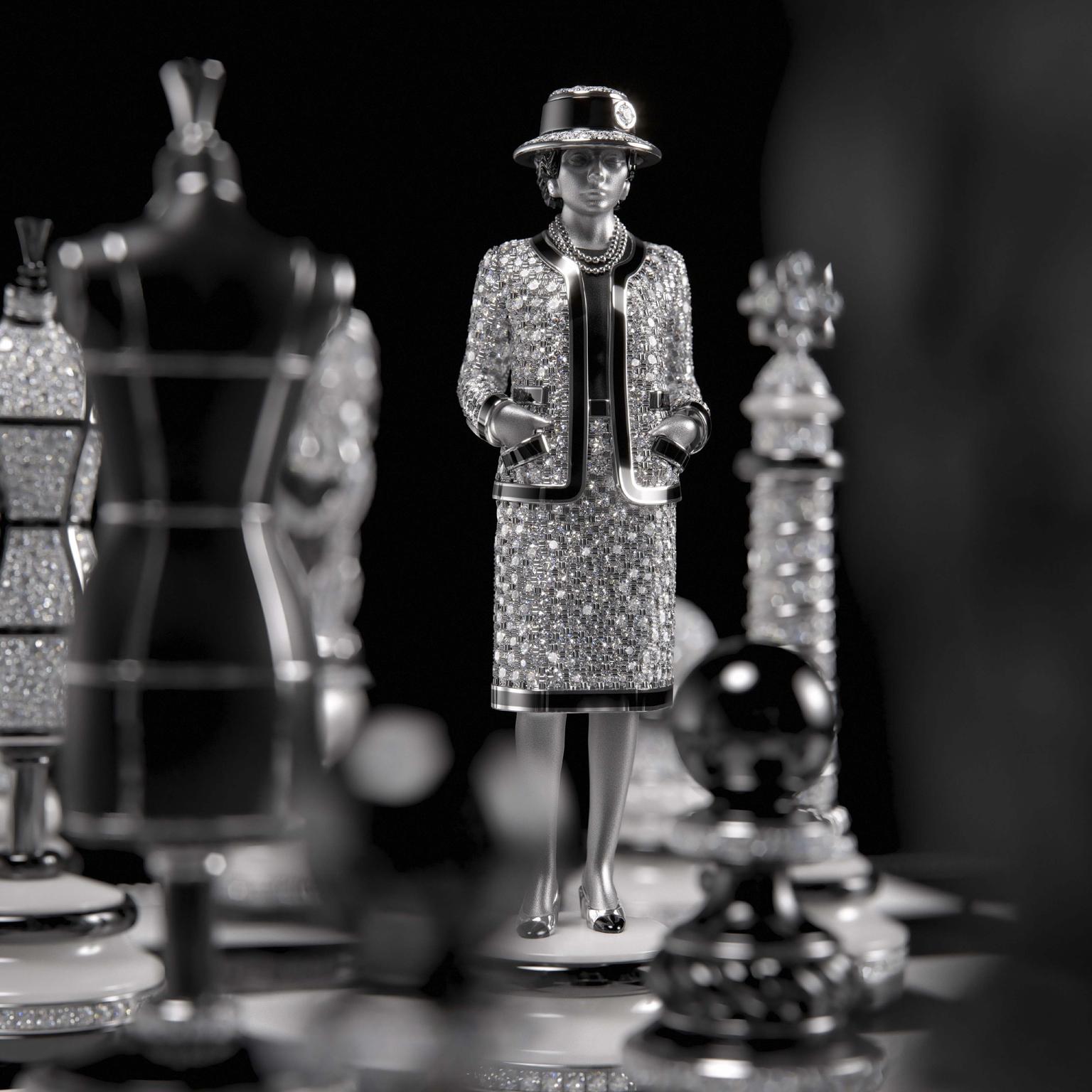
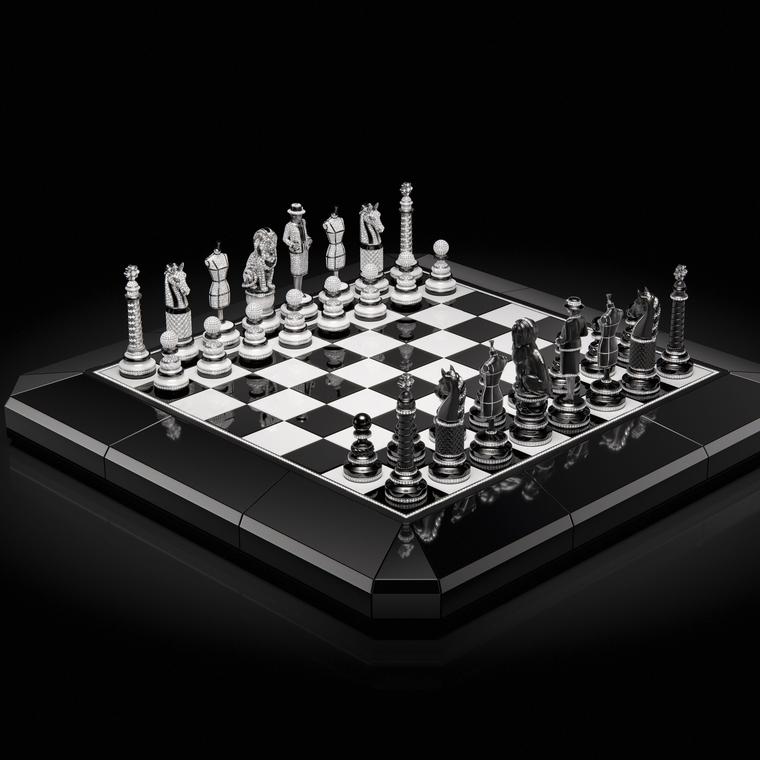
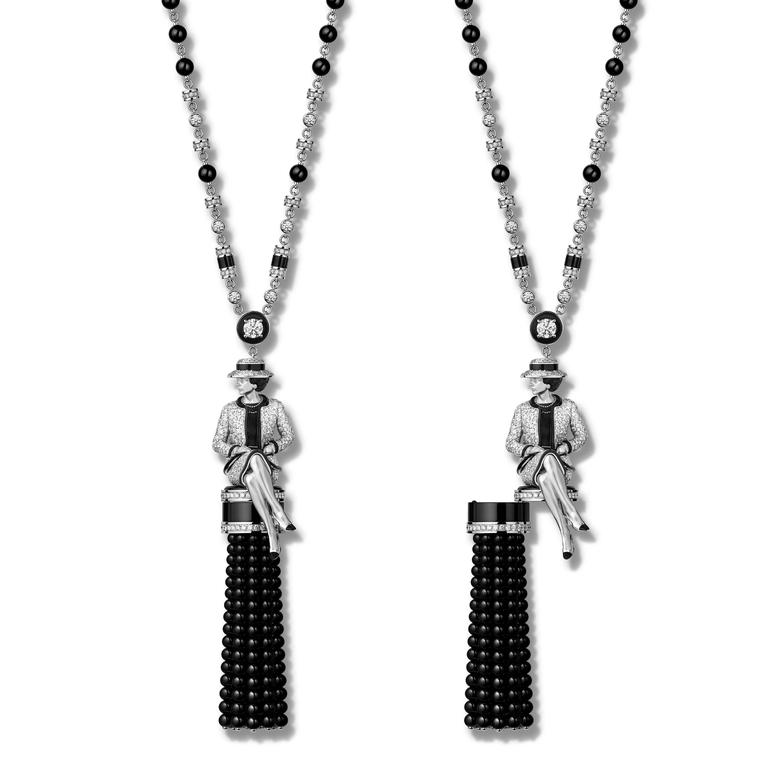
That displacement of time becomes more explicit in the Coco Game collection, developed by the Chanel Watch Creation Studio under the direction of Arnaud Chastaingt, who has led watch design at the house since 2013. The most ambitious piece — a one-off chessboard set in ceramic, gold and diamonds — was already sold and not presented on the booth. Its absence does little to diminish its conceptual weight. In this work, Gabrielle Chanel appears as both player and symbol, with time hidden inside two queen figures that can be worn as pendants . The gesture is clear: time is no longer displayed, but embedded within a narrative system built from the house’s codes.
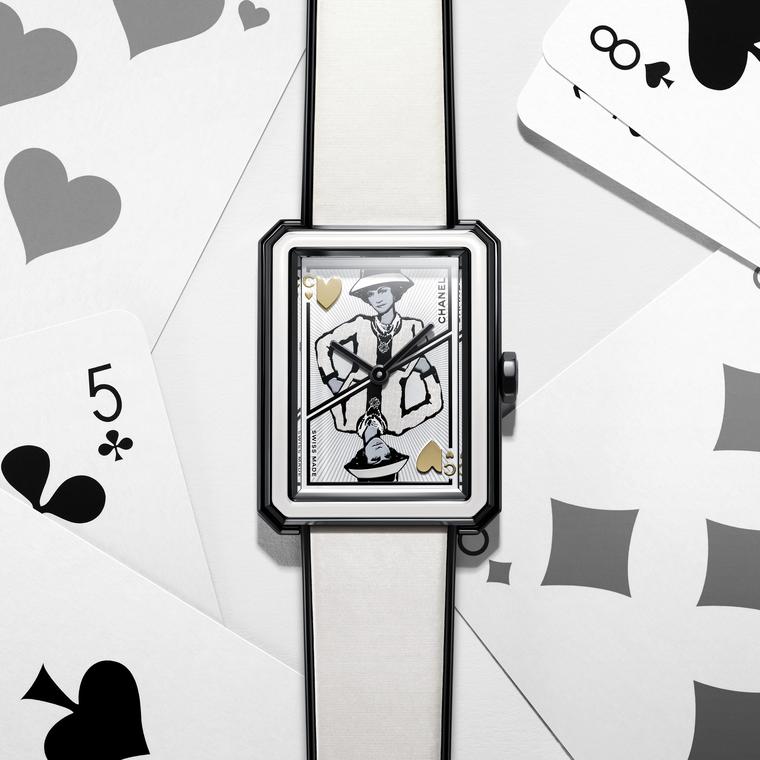
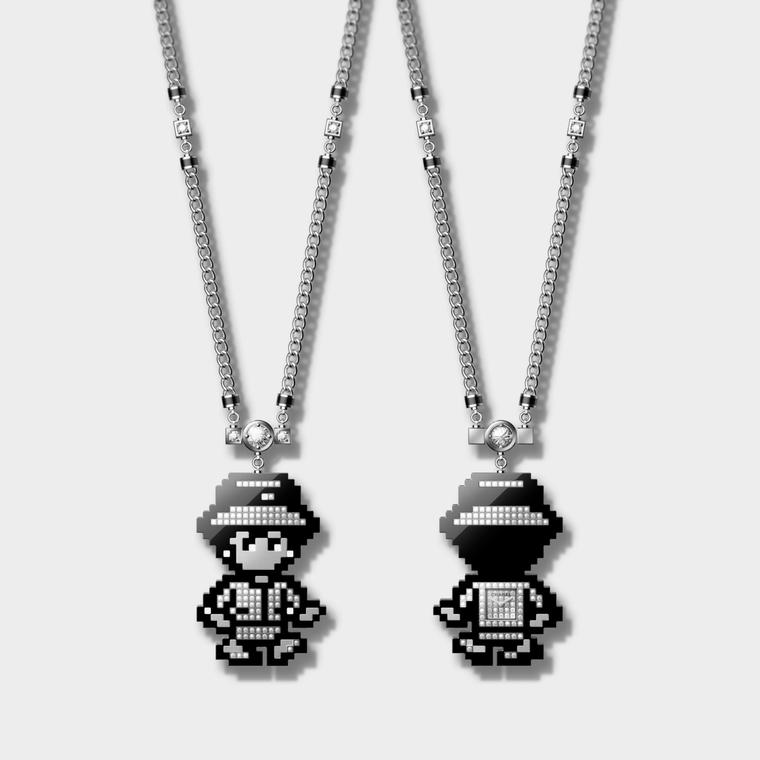
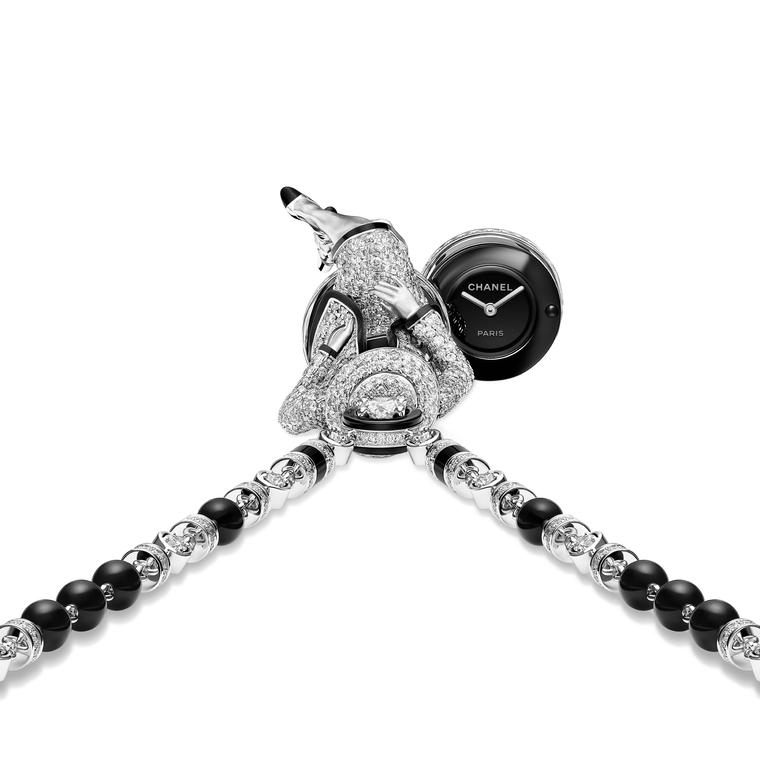
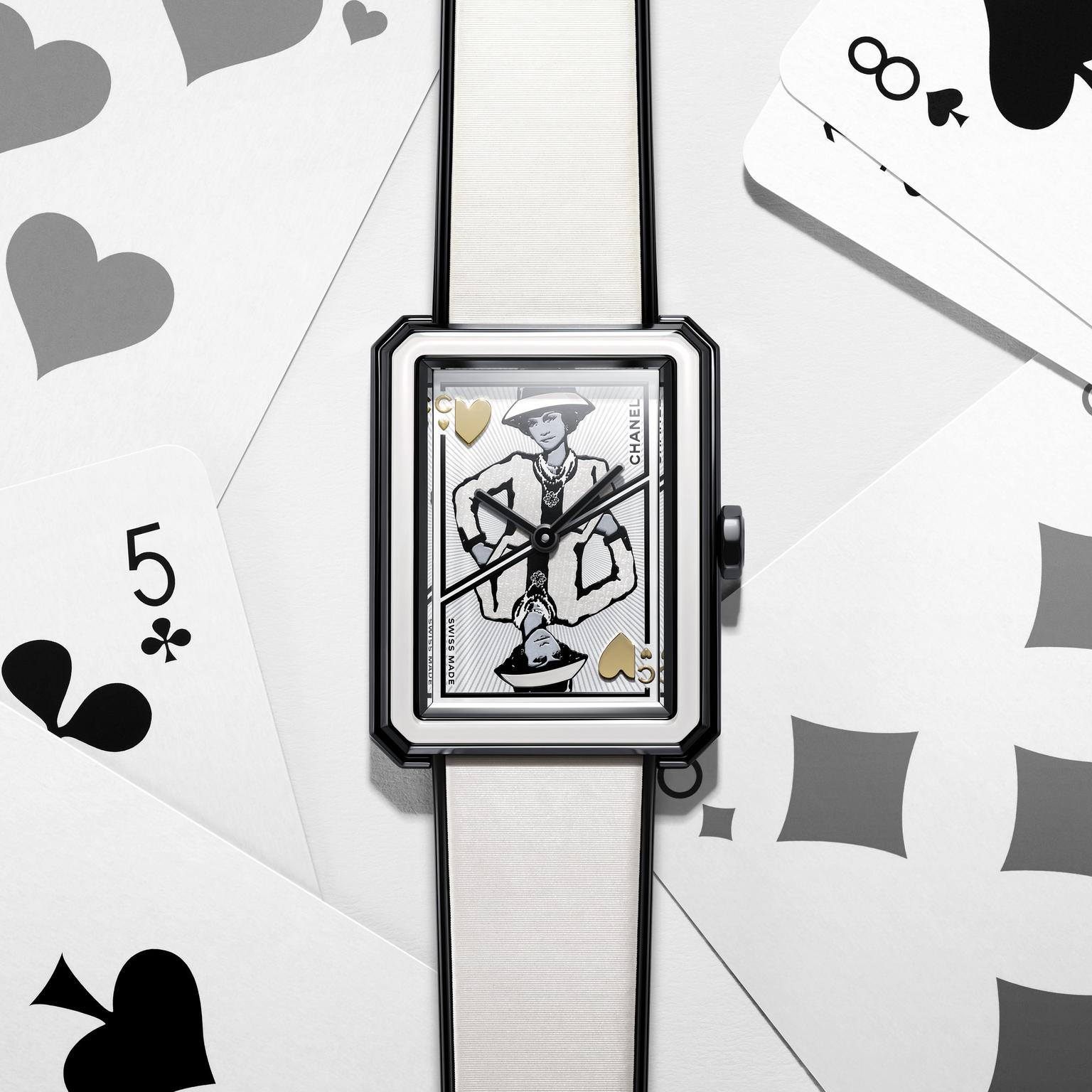
The rest of the Coco Game pieces extend this idea in more wearable forms. The Boy·Friend watch translates Gabrielle Chanel into a graphic playing card figure, in black and white with the clarity of a symbol . A long necklace presents her as a sculptural silhouette in diamond-set tweed, translating couture into high jewellery . Another version pushes further, reimagining her in a pixelated, video game-inspired form that echoes early 8-bit graphics. Gabrielle Chanel becomes a constructed image made of individual units, where pixels replace stitches, diamonds or tweed. Her identity carries across mediums through this shift in language . Across these pieces, the same logic applies: timekeeping is present, but never central. Identity, image and transformation take precedence.
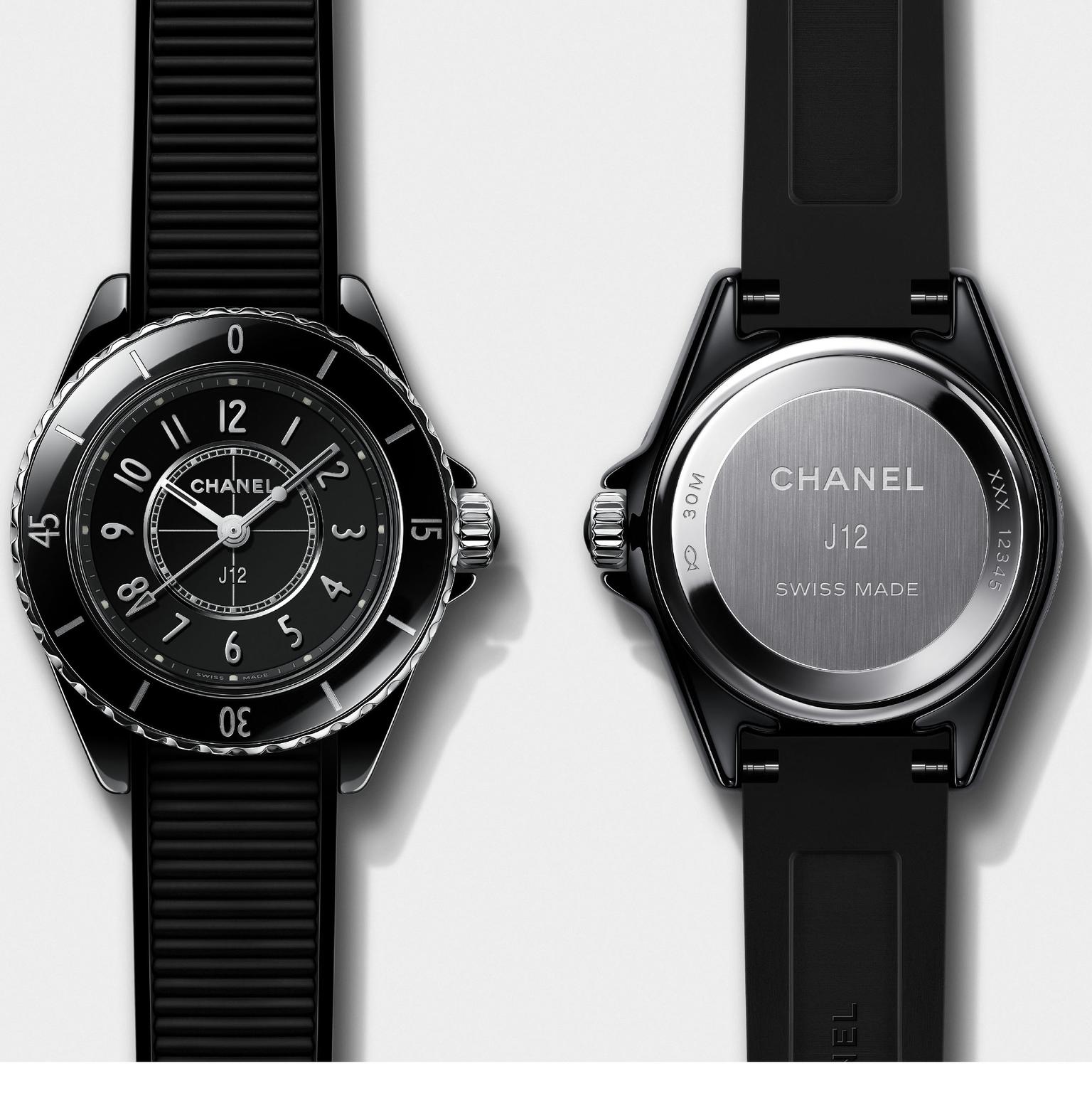
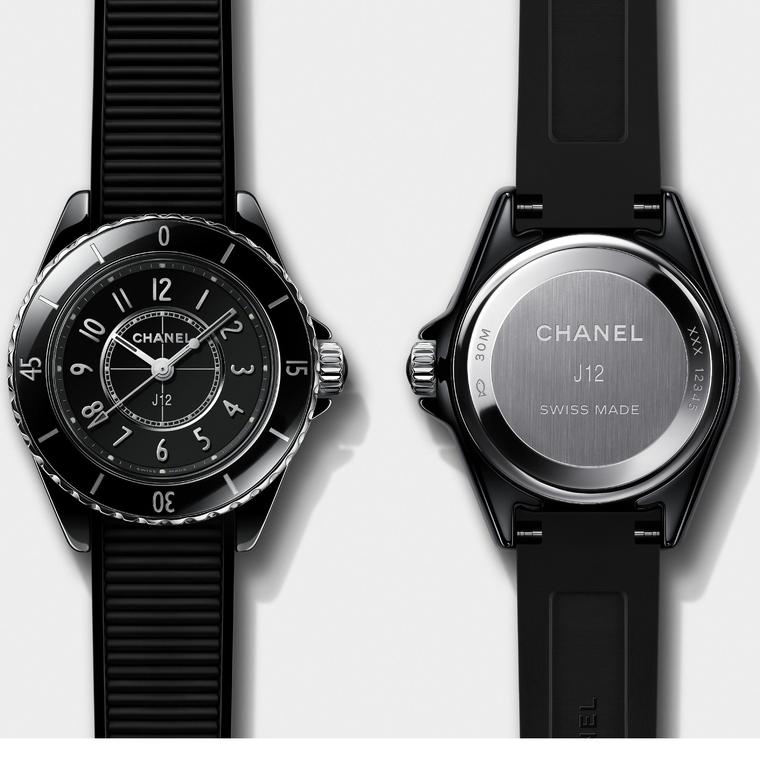
Set against this conceptual exploration, the J12 provides a point of continuity. First introduced in 2000, it remains Chanel’s most recognisable watch, defined by its use of highly resistant ceramic and its pared-back, graphic design. Here, it appears in a 28 mm format with a textured black rubber strap, marking a subtle but considered shift. The material is sporty, but the finish evokes grosgrain ribbon, quietly echoing the codes seen elsewhere . There is no attempt to reinvent the model. Instead, Chanel adjusts it with precision, maintaining its position as a stable foundation within the collection.
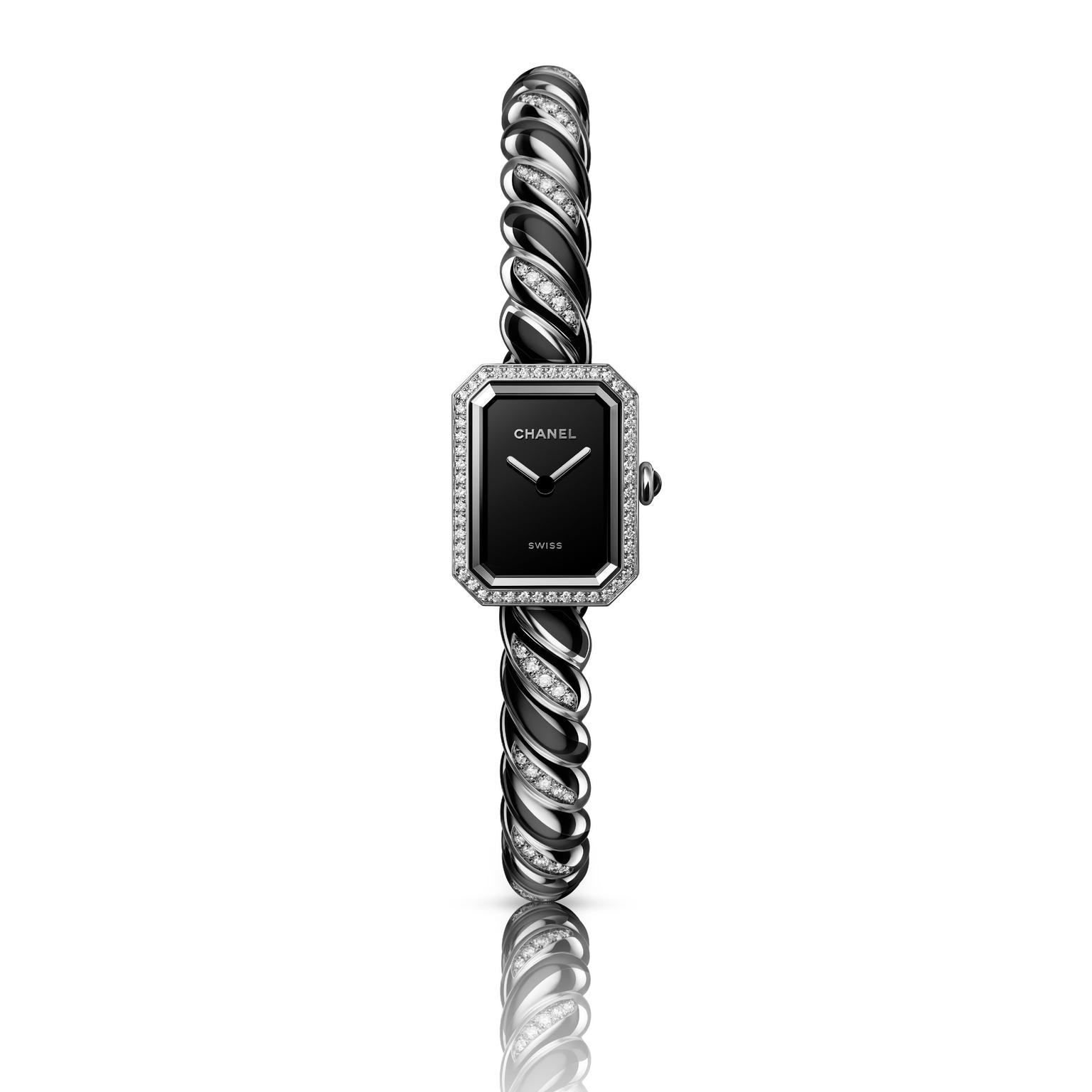
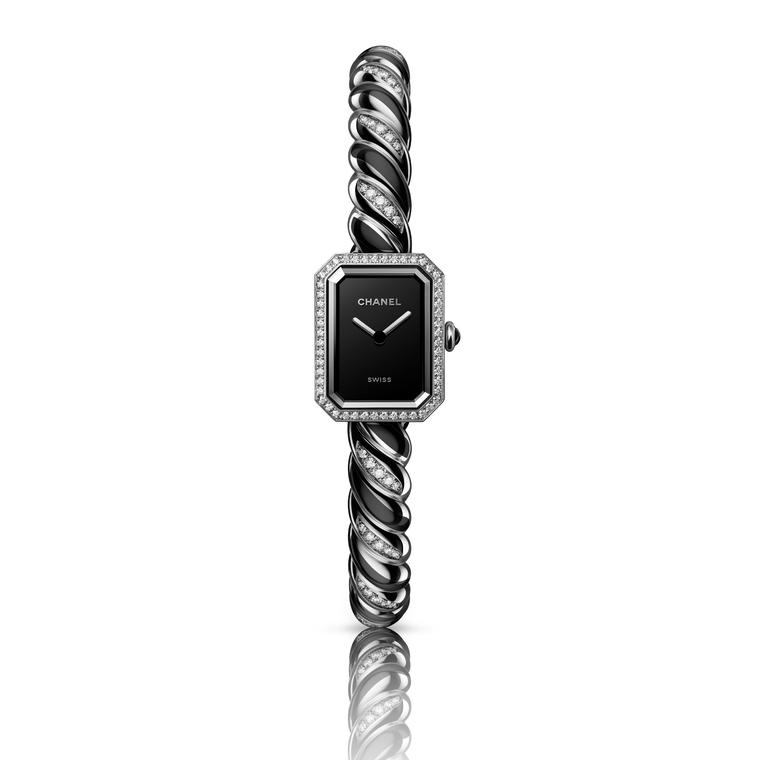
The Première Galon brings the presentation to its most distilled form. A braided bracelet in white gold, lacquer and diamonds frames a black dial reduced to its essentials . The contrast of black and white, the twisted braid motif and the restraint of the composition all point to the same objective: clarity. After the layered narratives of the Coco Game pieces, this is Chanel at its most controlled.
Across these releases, the message is consistent with Chanel’s broader watchmaking direction. Rather than focusing on complication or performance, the house continues to use watchmaking as a medium through which its visual language — from embroidery to ceramic, from couture to graphic abstraction — can be expressed with precision. Time remains present, but it is no longer the central focus.