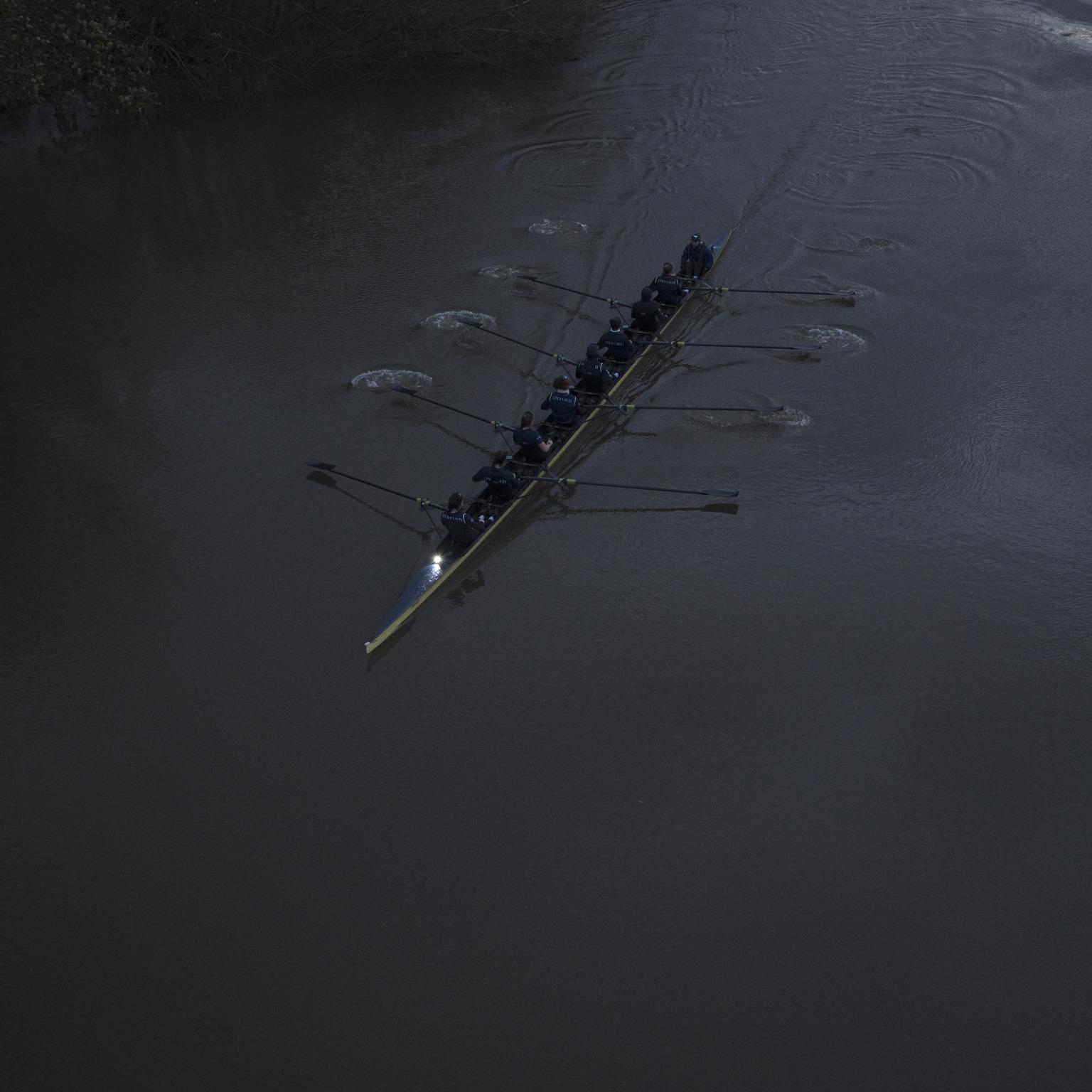
There is something deeply elegant about a partnership that feels inevitable rather than engineered. When Chanel became title sponsor and official timekeeper of The Boat Race in 2025 and renamed it The Chanel J12 Boat Race, it was the first sponsorship deal in the house's history. Even Frédéric Grangié, president of Chanel's watches and fine jewellery division, admitted the move was unplanned. Yet trace the threads back through more than a century of Chanel history and you find that this alliance between the world's most famous luxury house and Britain's oldest amateur sporting event has echoes of Gabrielle Chanel's unconventional pioneering spirit.
Gabrielle Chanel's love affair with Britain was, first and foremost, a love affair with British men. Arthur "Boy" Capel, the dashing English polo player and shipping magnate who became both her great love and her first financial backer, introduced her to a world of sport, physical freedom and the understated elegance of English menswear. His polo shirts, his easy jersey fabrics, his sporting wardrobe, all found their way, reimagined, into her revolutionary designs. After Capel's devastating death in a car accident in 1919, it was the 2nd Duke of Westminster who deepened Gabrielle's immersion in British life. For a decade she inhabited his world of country estates, salmon fishing on Scottish rivers, sailing aboard his magnificent yacht the Flying Cloud, and hunting in the grounds of Eaton Hall in Cheshire. She became friends with Winston Churchill during boar-hunting weekends and absorbed the textures of British country life. The fabrics of traditional British tailoring filtered into her world and become cornerstones of her aesthetic.
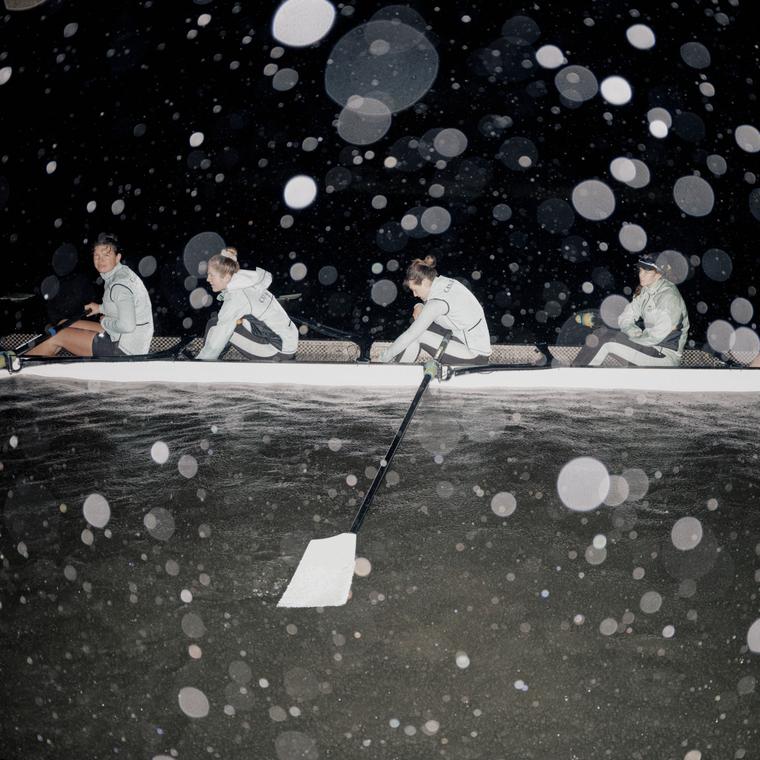
What made Gabrielle truly radical was that she did just observe these pursuits from a ladylike distance; she threw herself into them. She rode horses, played golf, swam and sailed at a time when such physical freedom was considered deeply unconventional for a woman. And she designed accordingly. "I invented the sports dress for myself," she declared, "not because other women played sports, but because I did." Her clothes liberated women's bodies from the constraints of corsetry and allowed them to move, to breathe, to compete. She was, in every sense, a pioneering spirit.
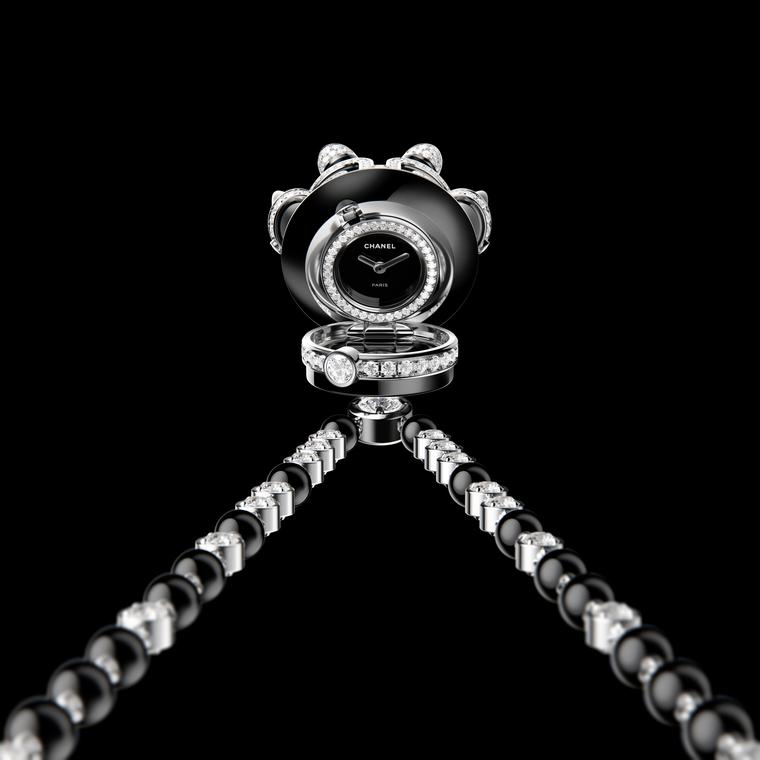
It is this spirit that animates the J12, the watch that now lends its name to the race. When Jacques Helleu, Chanel's then artistic director, created the J12 in 2000, he was driven by a personal obsession with the nautical world. He named his creation after the J-Class racing yachts; those breathtaking vessels with their taut hulls and monumental sails that competed in the America's Cup during the 1930s and are widely considered the pinnacle of classic yacht design. In black ceramic, a material never seen in luxury watchmaking, the J12 was sporty, uncompromising, and entirely without precedent. It was, as Arnaud Chastaingt, the current director of Chanel's watchmaking studio, has described it, "a radical act of creation."
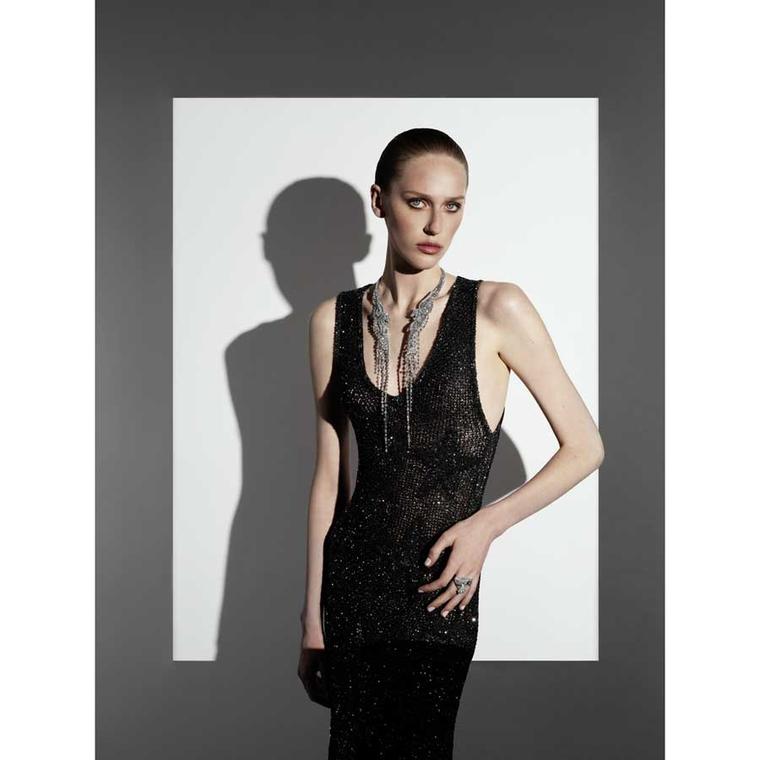
In fact Helleu designed the watch for men and like the best concepts, women were naturally drawn to its sleek aesthetic and highly tactile ceramic case and bracelet. The J12 has grown and grown and every year evolves into new colours, dials, some even featuring a cartoon-like Gabrielle Chanel and myriad gem stone setting.
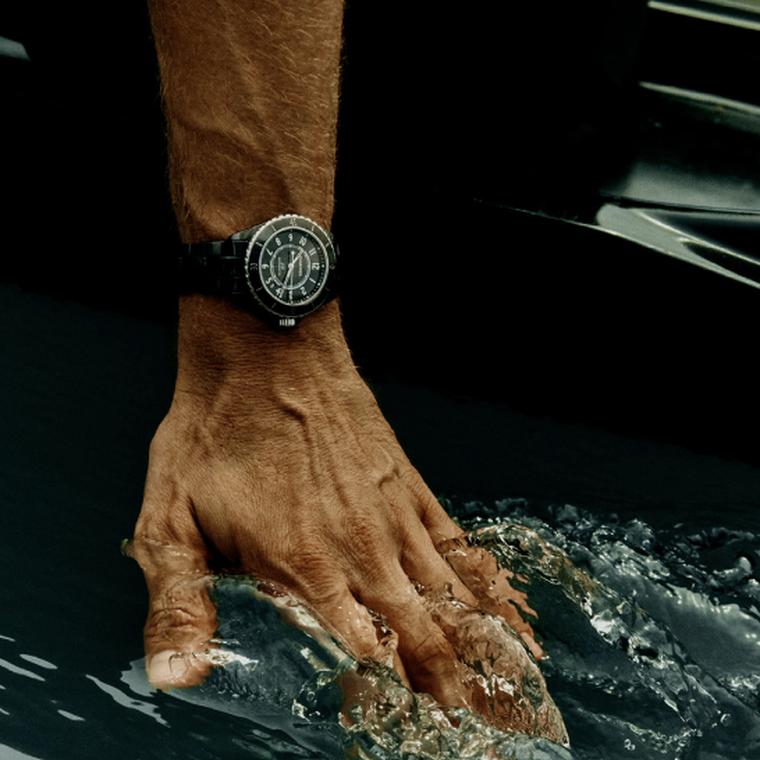
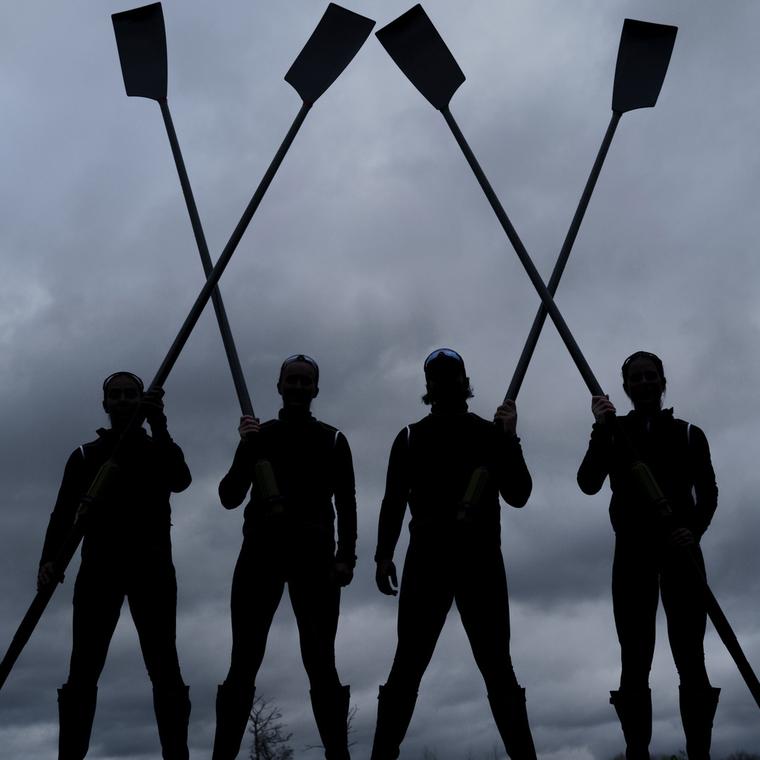
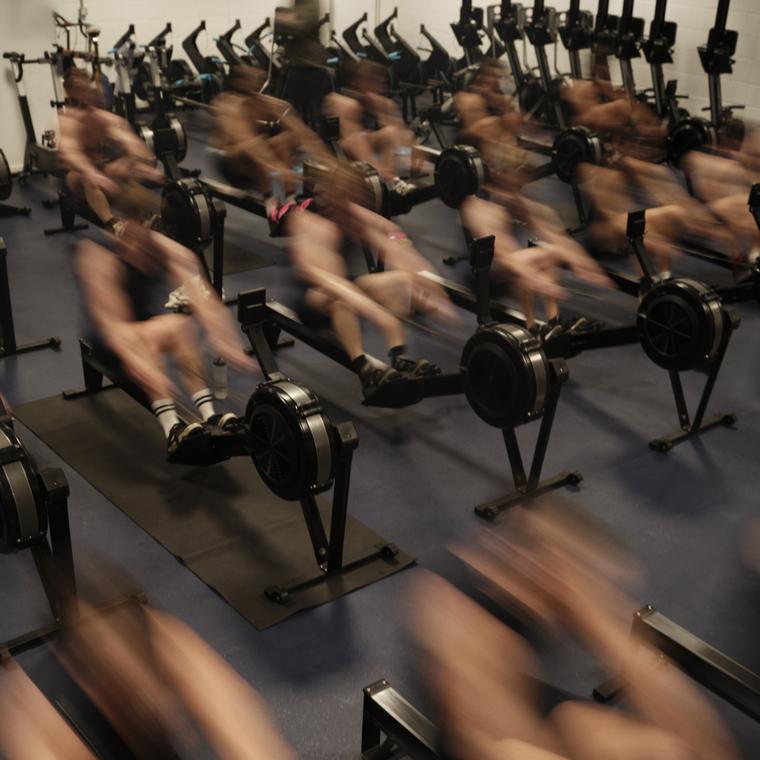
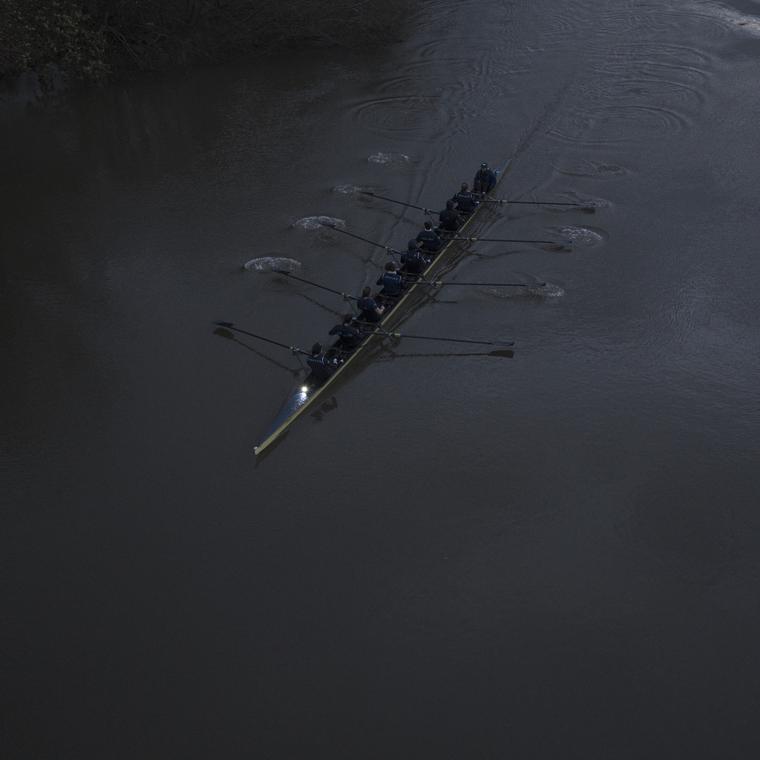
The parallels between the J12 and The Boat Race run deeper than a shared affinity with water. Both are exercises in precision: in watchmaking, every component of the Calibre 12.1 movement must function in perfect synchronicity; on the Thames, eight rowers and a cox must move as one, where a fraction of a second's mistiming can mean defeat. Both demand gruelling, unglamorous preparation for a fleeting burst of glory. A year of training, of dawn starts and aching muscles, distilled into roughly seventeen minutes of furious racing from Putney to Mortlake. It is, in its way, not unlike a couture collection: months of painstaking work behind closed doors for a show that lasts barely twenty minutes.
And then there is the question of heritage. The Boat Race was first contested in 1829, making it nearly two hundred years old, yet its format remains essentially unchanged with the same two ancient rivals, the same raw human endeavour played out on the same stretch of tidal Thames. It has not been modernised or diluted. It remains, as Grangié himself observed, "the ultimate level of sport with the purest values." That combination of deep tradition and undimmed emotion resonates powerfully with a house that has never chased trends.
Chanel, at the pinnacle of luxury, could have chosen any sporting event on earth for its first-ever sponsorship. That it chose this one that is amateur, fiercely traditional, quintessentially British and fuelled by the competitive fire of youth, tells you everything about where the house sees itself. Not merely as a guardian of heritage but as an embodiment of Gabrielle Chanel's own pioneering instinct: the woman who belted the Duke of Westminster's polo coat at Chester races and changed the way the world dressed. On the Thames this Easter Saturday, as the crews surge towards Mortlake, the J12 will be counting every second. Gabrielle, one suspects, would have been on the riverbank cheering.