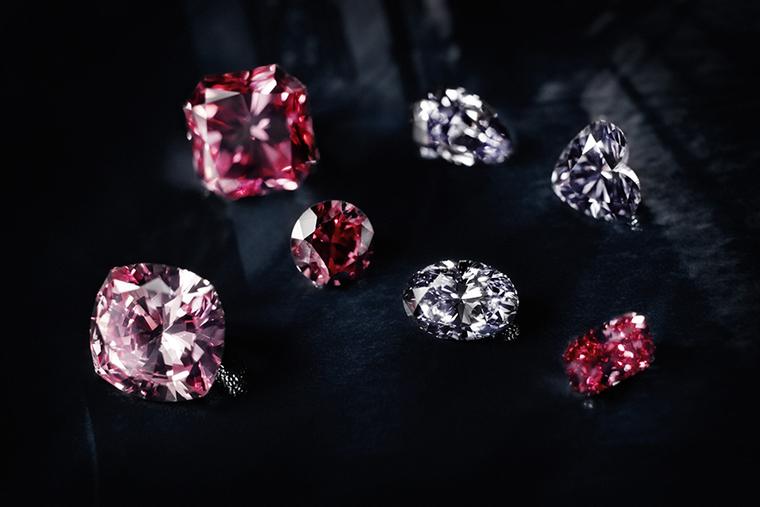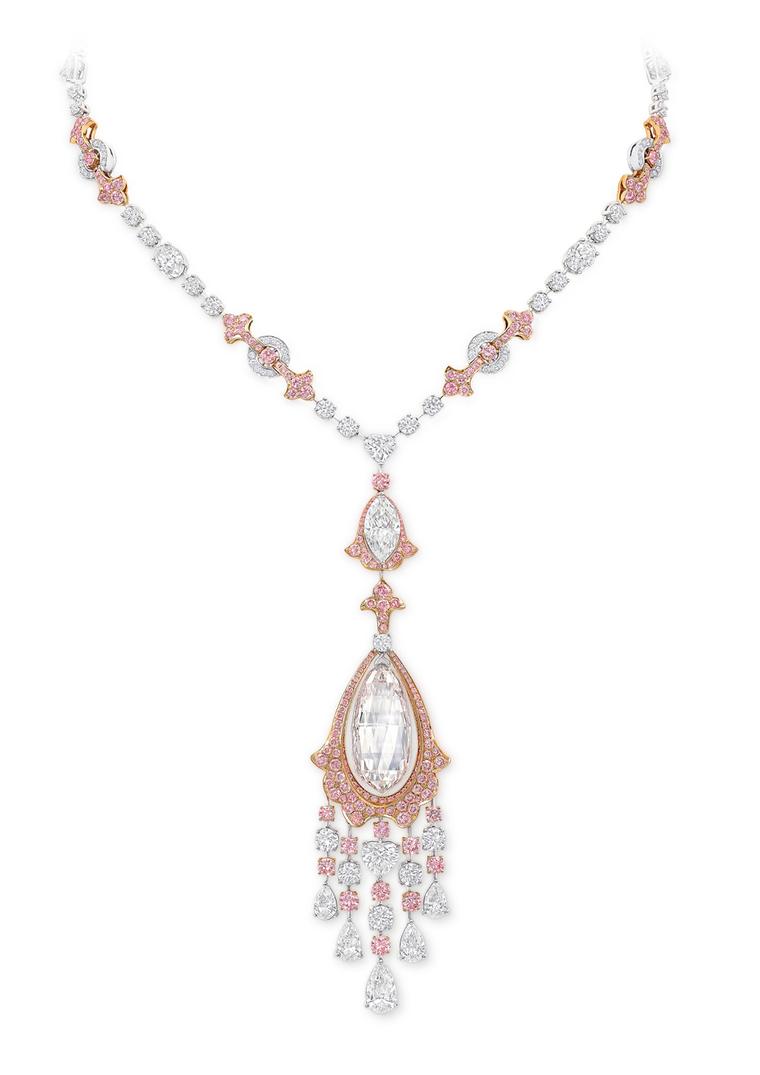
London was pink diamond central as for one day only 42 jewels worth $65 million dollars were displayed at the Orangery in Kensington Palace making this the largest and most valuable display ever of pink diamonds. Organised by the Argyle Diamond Company the exhibition showcased some of the most important pink diamonds up for tender this year as well as jewels made using this rare stone.
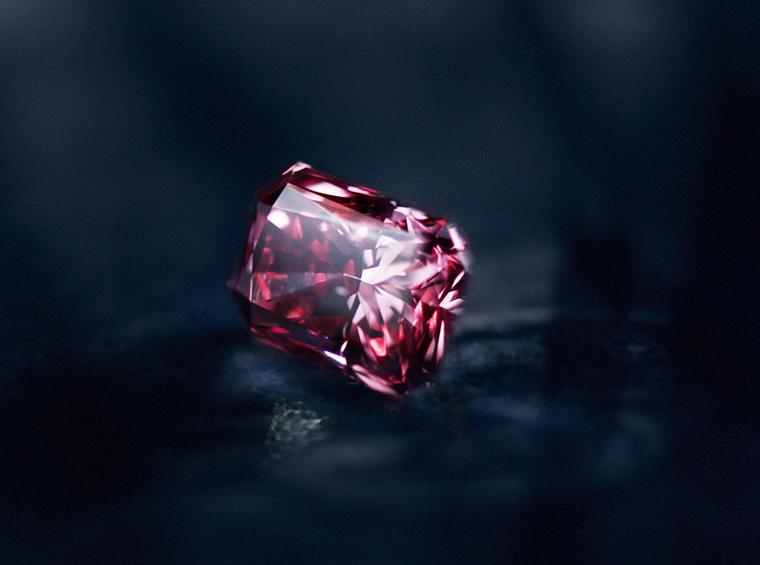
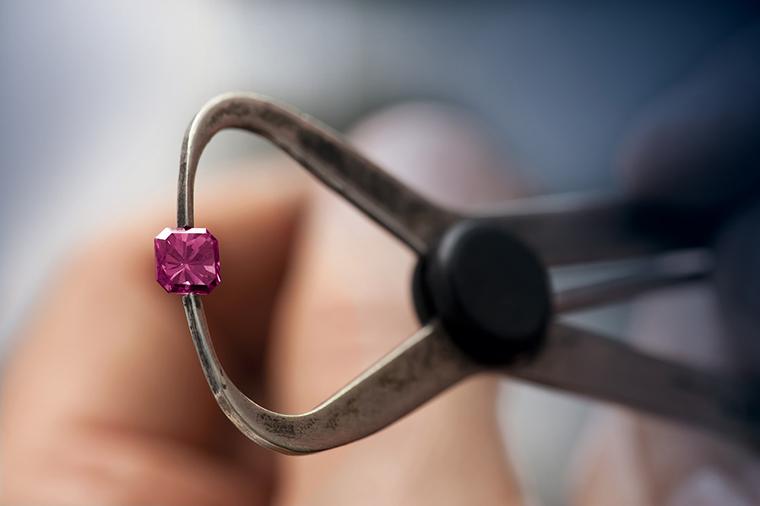
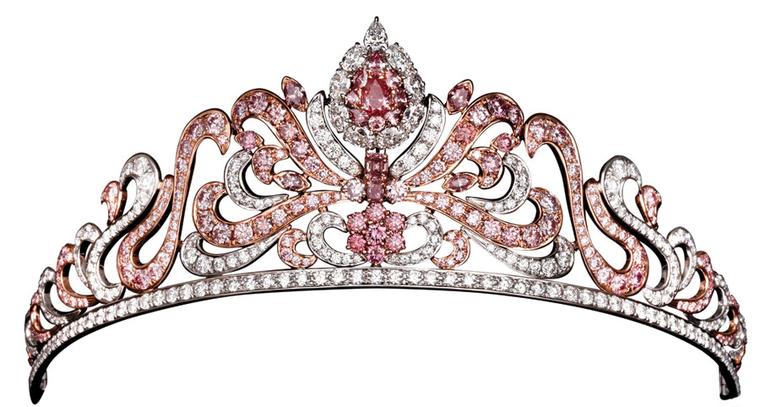
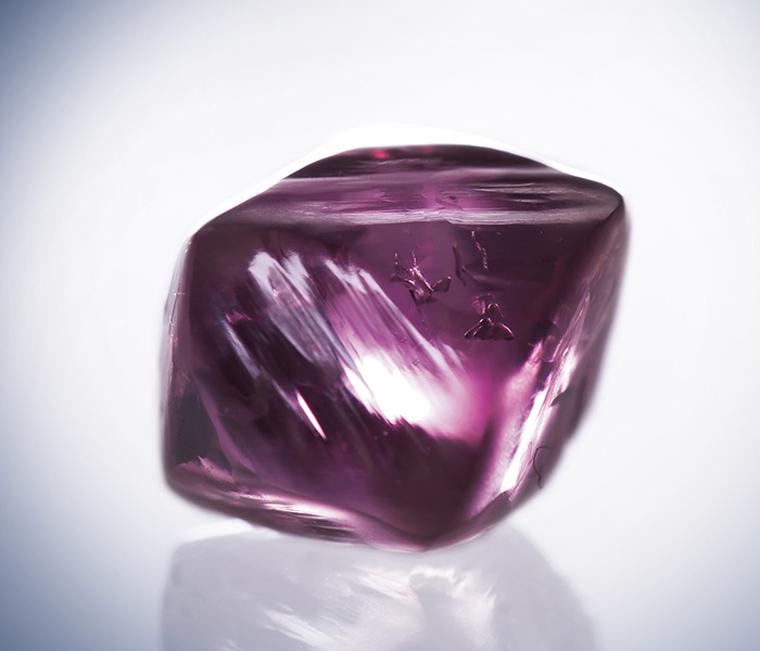
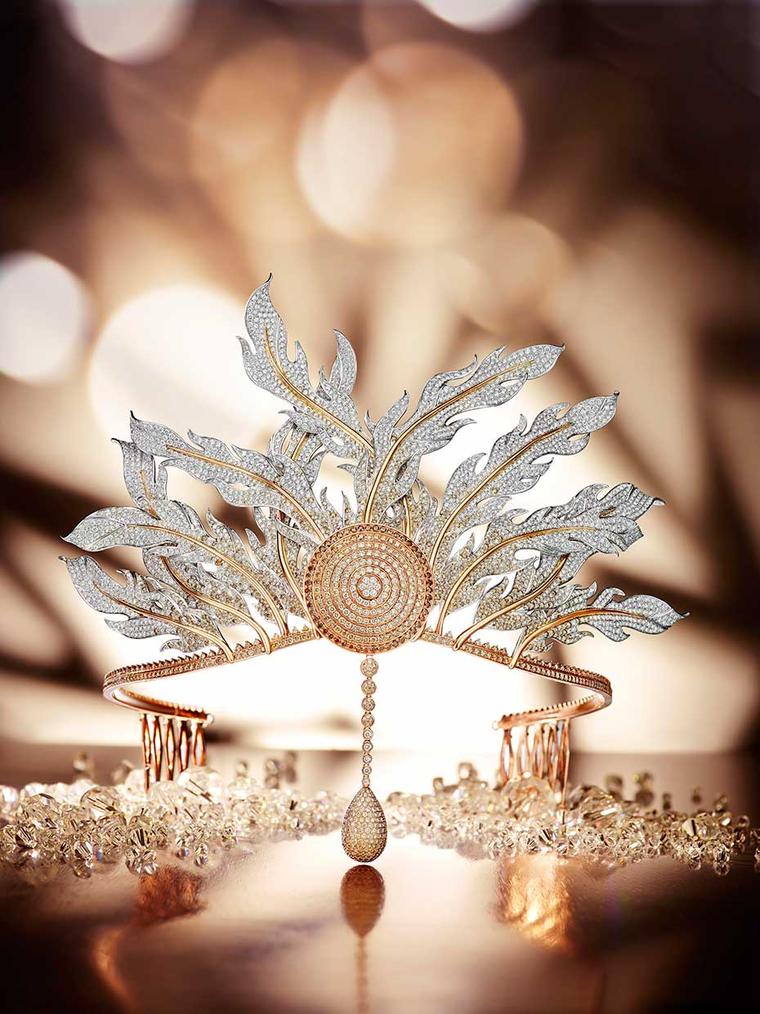
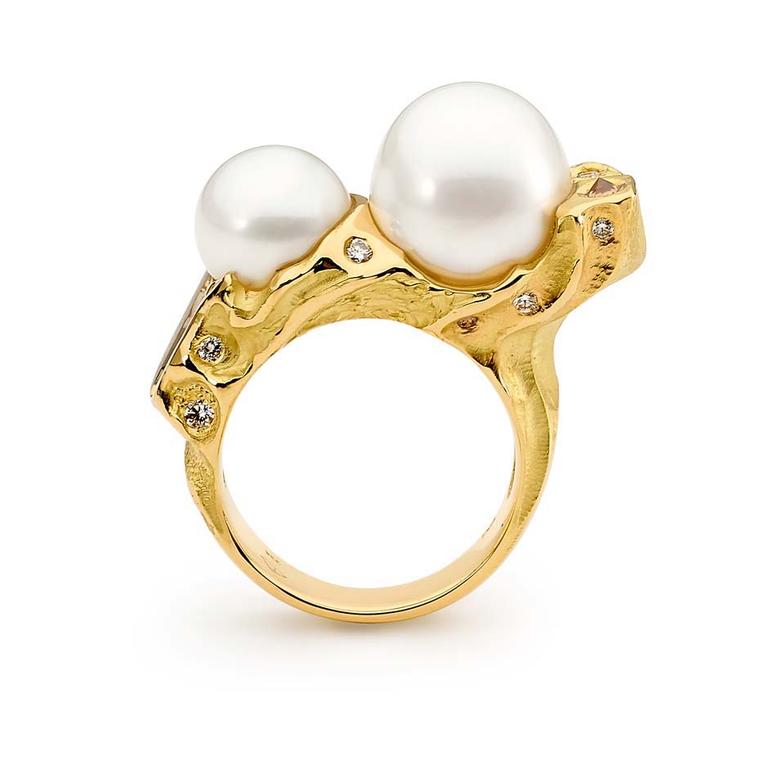
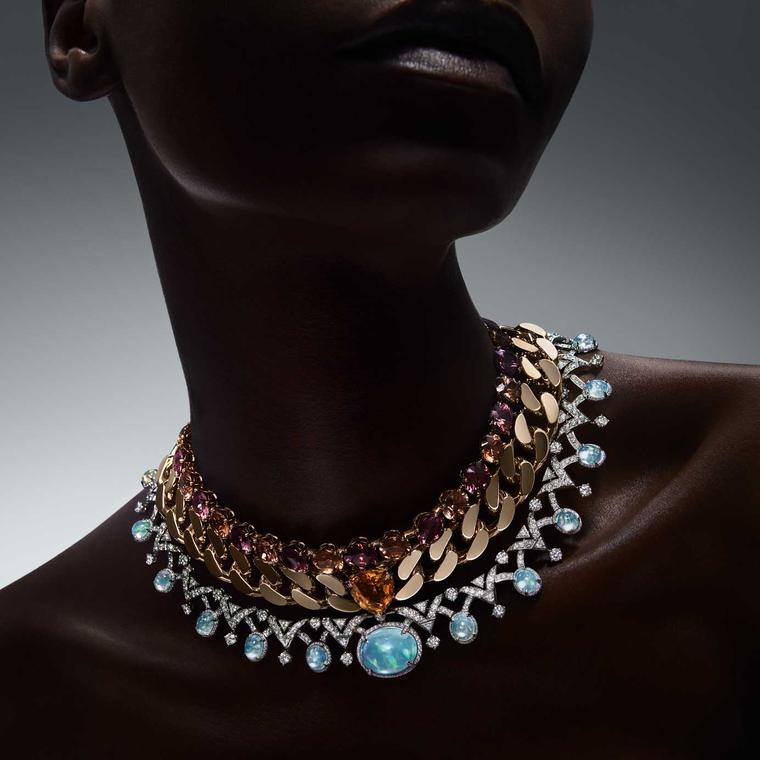
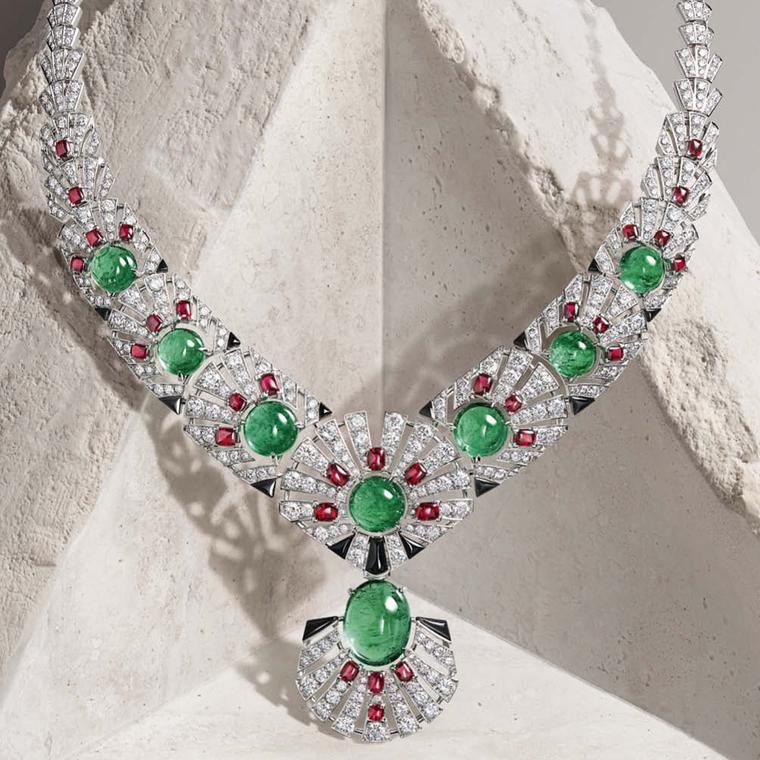
Included in the exhibition were some of the 'hero' diamonds of the 2012 tender including the 1.32 carat Argyle Siren TM with a vibrant pinky red colour as well as the softer-hued Argyle Satine TM. The annual pink diamond tender is usually conducted behind closed doors and only 150 jewellers and dealers are invited. But on the occasion of the Queen's Diamond Jubilee Argyle organised this unique event. The inspiration came from the the Queen's pink diamond brooch set by Cartier that features the famous Williamson pink diamond. For the first time ever, the press was invited - to view not just the diamonds but also a selection of jewels made with this precious stone. Jewellers from around the globe, including Calleija from Australia, Chow Tai Fook from China , Graff and Mousaieff of London, and Nirav Modi from India, will have on display jewels that range from a tiara to single stone rings and even a shoulder jewel by Japanese jeweller Kashikey.
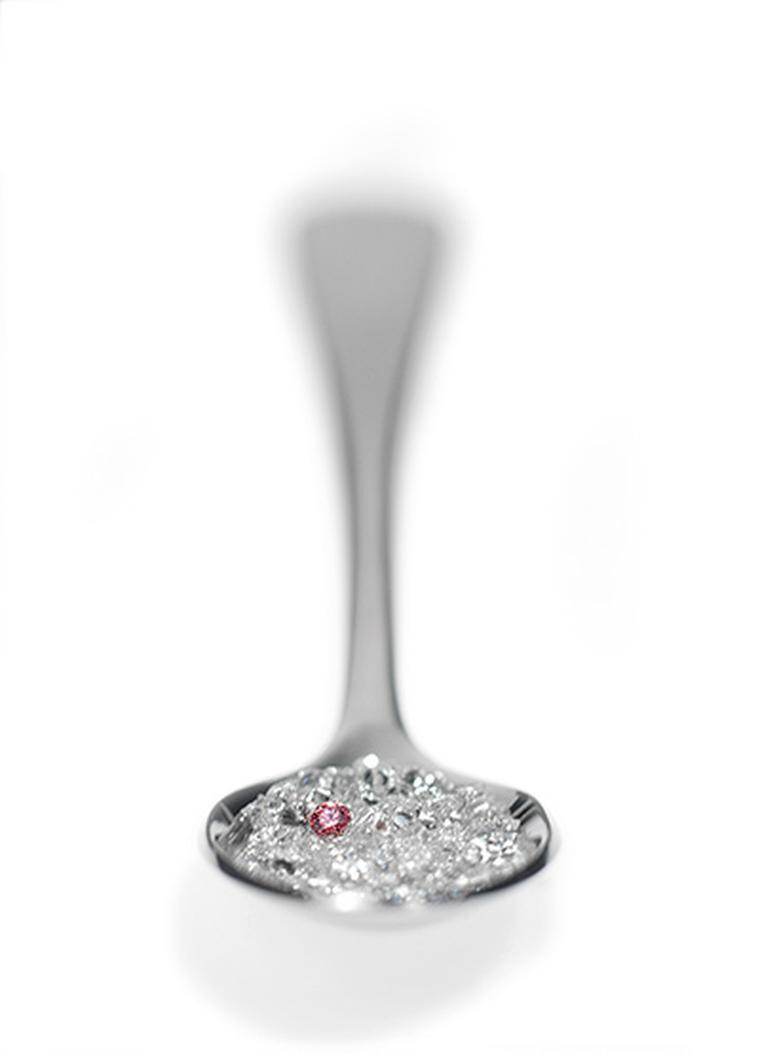
The most important diamonds are given names and referred to as 'she' and are sold by sealed bid at this annual tender. The Argyle mine only started operating in 1975 following the discovery of the seam and one year's supply of top quality pink diamonds wouldn't even fill a teaspoon. Most rare are the deepest pinks, or reds, of which only 33 have come out of this mine in its 26 years of operating.
Argyle Diamonds is proud that they have complete chain of custody of the diamonds from mining to cutting and polishing and finally tendering to their selected clients.
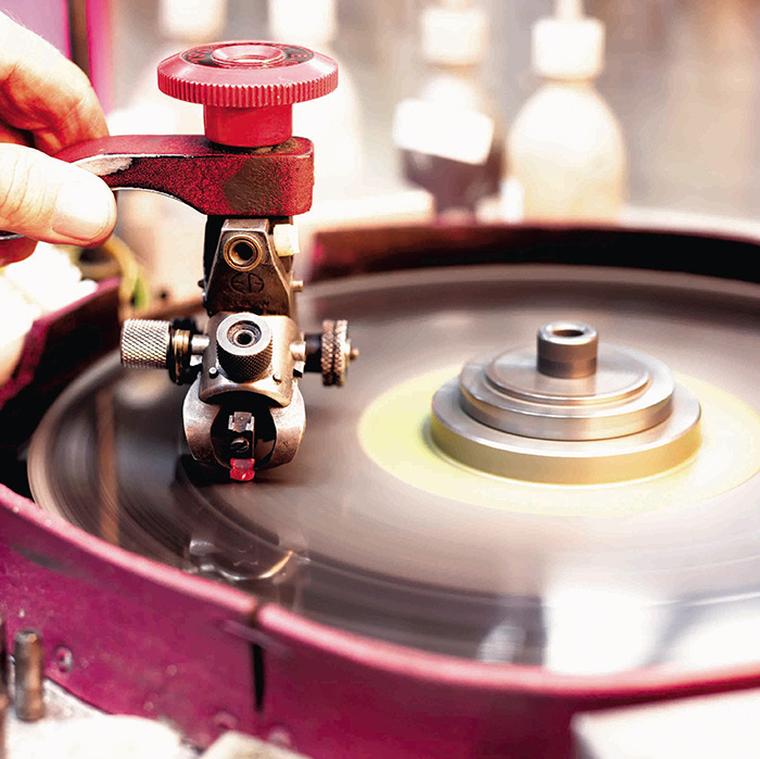
The pink colour of the diamonds appears in bands or zones so there is great skill in cutting and polishing the diamond to achieve maximum beauty and colour. Due to their structure, pink diamonds are harder to cut and polish than whites, which in comparison are 'as easy to cut as butter." Because of their rarity and varying hues, it is very difficult to match pinks and Josephine Johnson, Manager of Argyle Diamonds explains that it must have taken 20 years to collect the pinks in a pair of bangles by Graff on show.
Usually occuring in sizes of around a carat and worth many times more than white diamonds, there is a race for pinks as the mine is forecast to deplete in 10 years time. Prior to the opening of the Argyle mine pink diamonds were an even more extreme rarity and the domain of collectors who kept them in glass cases and rarely used in jewels.
Rio Tinto, which owns and operates the Argyle mine, 2,500km from Perth in Western Australia, is the company behind this initiative. The tender is strictly by invitation to a select circle of jewellers - their only opportunity this year to secure the top 1% of the total annual production of 1 million carats of rough diamonds from the Argyle mine.
The only consistent producer of pink diamonds, the Argyle mine alone provides over 90% of the world's supply. Argyle pinks are known for their intense colour saturation, but they are so rare that, for every seven pickup trucks of diamonds, there are only enough pinks to fill an ashtray.
One carat of a pink diamond can be worth between 20 to 40 times more than a carat of an equivalent white diamond. The more intense the colour, the more valuable, with the rating "fancy vivid" at the top of the scale. Prices vary, but pinks from this mine have sold from tens of thousands per carat to over a millions dollars a carat, placing them in the category of one of the most concentrated forms of wealth.
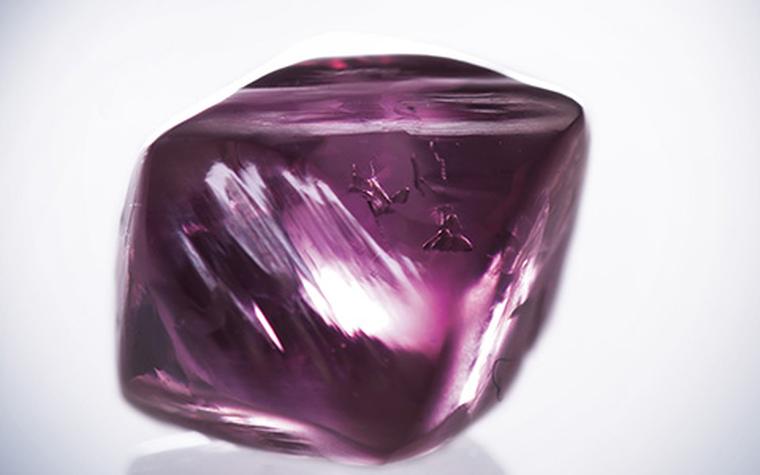
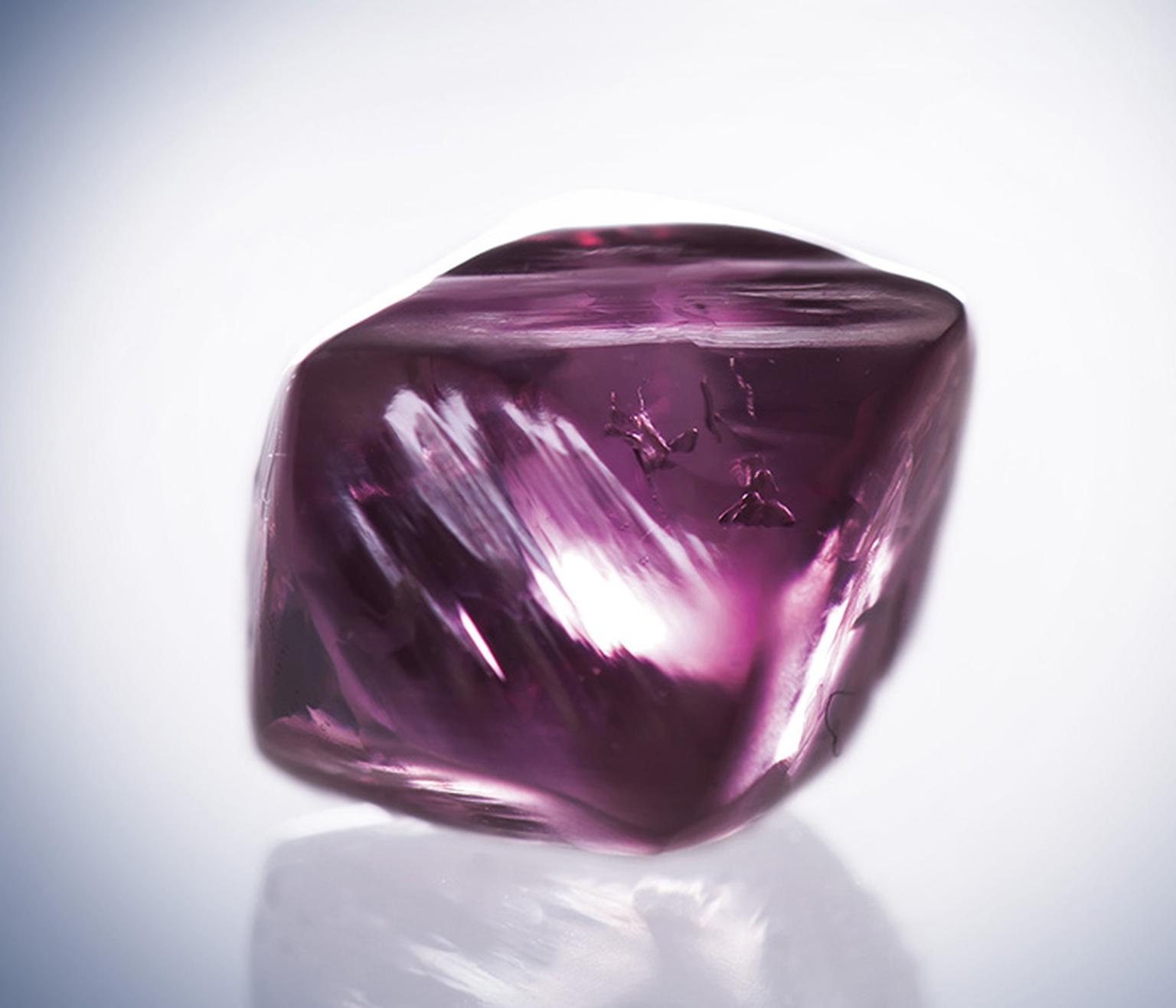
Pink diamonds are ranked number three in rarity, after red and blue diamonds. They get their particular hue not from the presence of another chemical in the primeval crucible at the centre of the earth, but by a distortion in the molecular structure of the stone caused by the sheer force exerted on them when they exploded out of the earth's mantle through volcanic activity. In other words, they are especially stressed diamonds, and cutting them is a challenge since they are prone to fracture. Few pinks were ever created, and even fewer made it through the mantle in sizes large enough to merit our attention.
Each year, the pick of Argyle's yield sets off on a worldwide tour and, in true international thriller style, for security reasons, the locations are only announced at the last minute. The tender works on a system of sealed bids. The diamonds are not allowed out of the company's premises, so the only tools at the buyers' command are a fluorescent table lamp, a block of standard white colour paper to gauge colour saturation, tweezers, a magnifying glass and their wit.
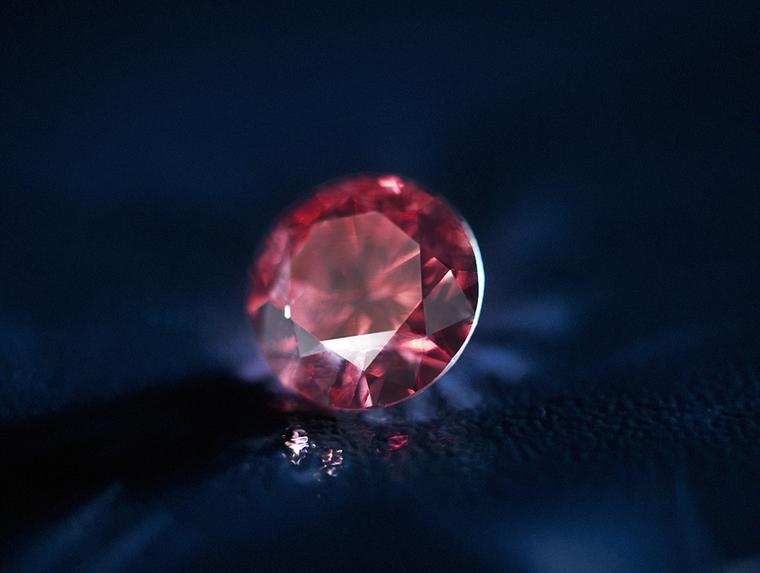
The diamonds on display are not far off the size and the colour of a drop of raspberry juice - not the hazelnut-sized, ice white dazzlers that usually garner this level of attention. Nor anything like the golf ball-sized "Pink Panther" stone that had Peter Sellers's Inspector Clouseau in a spin. The hearts of these diamonds reveal a whole world of crimson light that, depending on the diamond, varies from a dance of rich strawberry jam hues to a fluttering of delicate cherry blossoms.
These freaks of nature first came to the world's attention in 1979, when diamonds were discovered in an anthill near Argyle. Not long after - in 1983 - the mine was opened. The Aboriginals believe that the colours of Argyle diamonds come from the scales of the barramundi fish, with pink diamonds representing the heart.
Pink diamonds have also been found in Brazil, Russia and India, but nowhere on the scale or the colour saturation of the Argyle mine. You only have to see one good pink to realise that Marilyn didn't get it quite right: pink diamonds are a girl's best friend.
Read more about the history of pink diamonds