Text by Claire Roberts
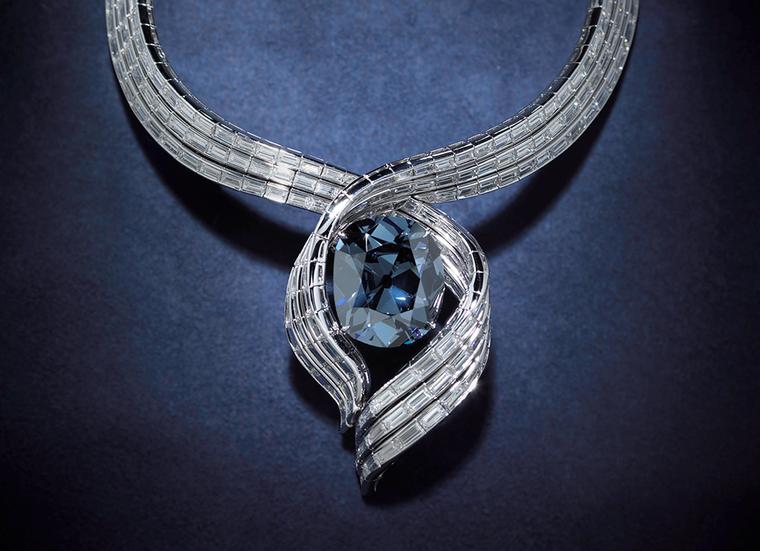
If you've been fortunate enough to see the Hope Diamond (pictured right) on display at the Smithsonian Natural History Museum in Washington, D.C, you'll know that the 45.52-carat gemstone is one of the most famous diamonds in the world. It is not its generous proportions that have earned Le bleu de France its place in diamond history, however. The Hope Diamond is one of those exceptionally rare things: a gemstone that shares all the properties of a white diamond but is imbued with a very special something else - colour. A freak of nature it may be - natural blue diamonds are so rare that few have seen one - but boy, it's beautiful.
Natural coloured diamonds make up only 1 per cent of global production, which means they are inevitably expensive. But before you balk at the price, consider that they are a good investment, too. Set aside the fact that coloured diamonds are becoming an increasingly fashionable alternative to the classic white diamond engagement ring. Demand for coloured diamonds - particularly yellow, pink and blue - is at an all-time high. There are not enough to go round, which makes them more covetable - and valuable.
Their scarcity has a lot to answer for - price, demand, exclusivity - but were it not for their kaleidoscopic beauty, that would be irrelevant. Natural diamonds cover the spectrum of colours, including blue, green, yellow, pink, brown, grey and black. Intensity varies from stone to stone, too, ranging from vivid yellow "canary" diamonds to pastel-pink gems the colour of candy floss. Look beyond their colour and they share the same property as their colourless siblings: diamonds are the hardest natural substance on earth. Indescribably pretty and virtually indestructible - what more could you ask for from a gemstone that you will be wearing every day?
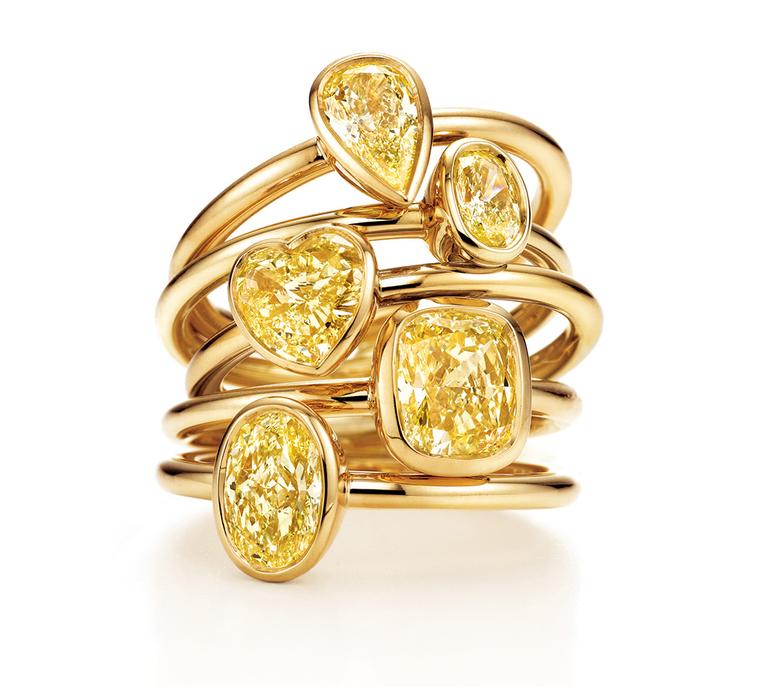
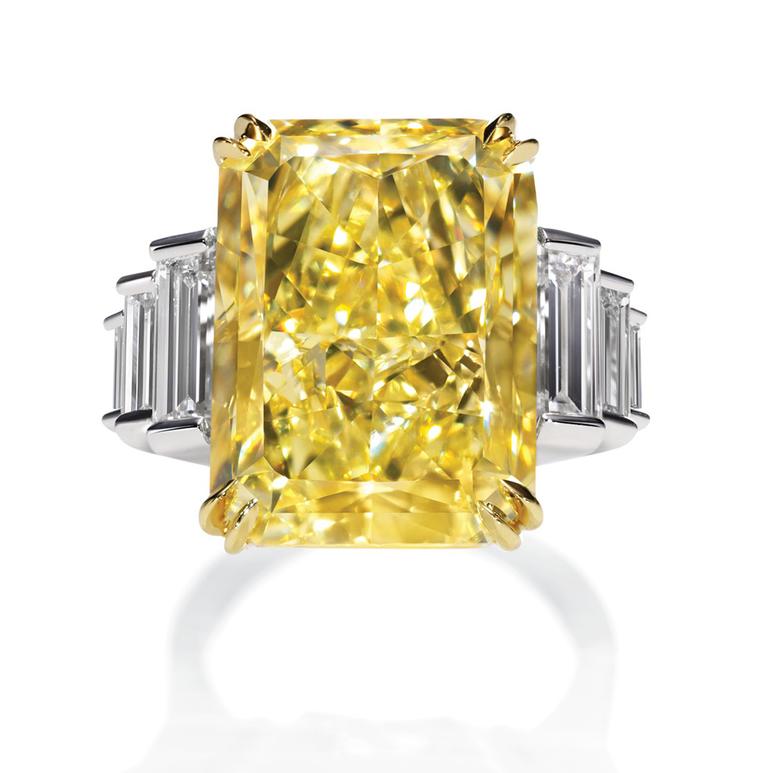
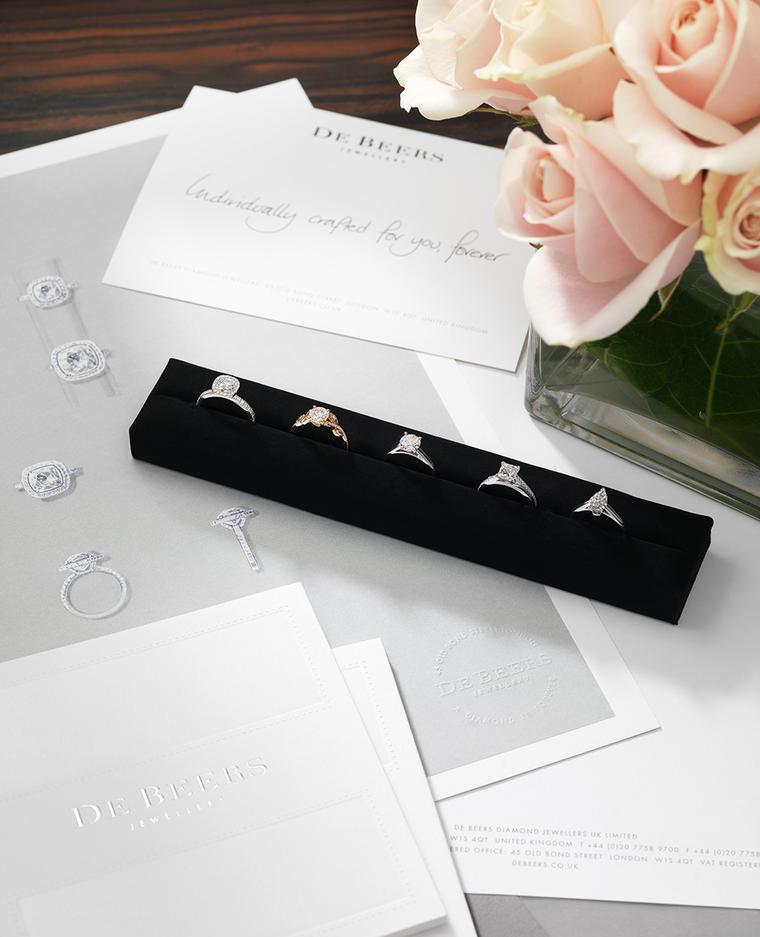
Given their rarity, you won't find coloured diamond engagement rings in many jewellers' windows. In 2010, Tiffany & Co launched a Yellow Diamond collection, including striking solitaire 18ct yellow gold engagement rings, set with oval- and cushion-cut brilliant yellows (from £3,400). Tiffany may have been one of the first, but it is certainly not the only internationally renowned jeweller working with coloured diamonds. De Beers' new Aura collection launched in July, showcasing exceptional diamonds handpicked for their unique attributes, including solitaire rings set with spectacular cushion-cut fancy yellow and pink diamonds (POA). Off-the-radar amazing - and expensive - is Harry Winston's Incredible Radiant-cut Yellow Diamond ring in 18ct yellow gold and platinum (POA), with its enormous central 23.98ct fancy intense yellow diamond.
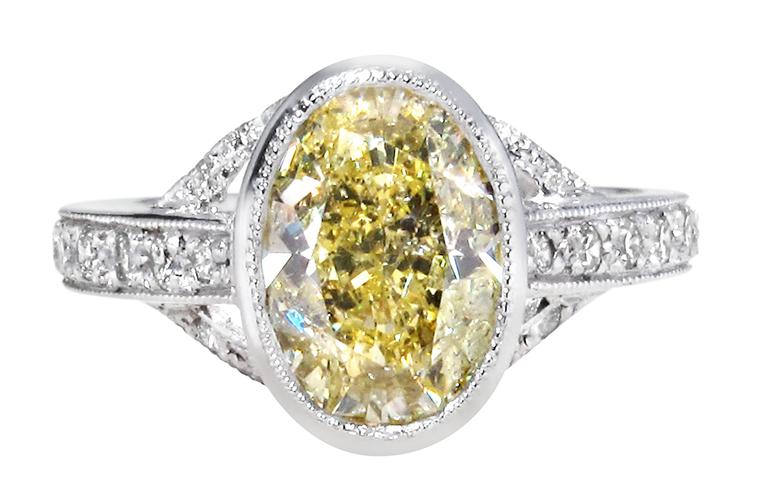
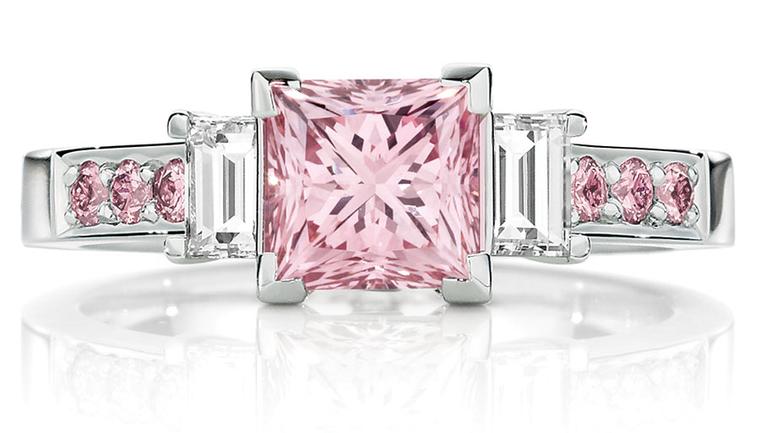
Australian fine jewellery brand Calleija specialises in rare, ethically sourced Argyle pink diamonds, sourced from the Argyle Diamond Mine in the west of the country, where nearly the entire supply of the world's natural pink diamonds originates from (read more about Calleija pink diamonds here). The Pink Princess ring, set with a 1.5ct natural Argyle pink princess-cut diamond (POA), is gorgeously girlie. Fine jewellers Ingle & Rhode, based in Mayfair, London, use only ethically sourced stones in all their designs, including the unusual, oval-cut 1.4ct fancy yellow diamond in their bespoke Vintage engagement ring (POA).
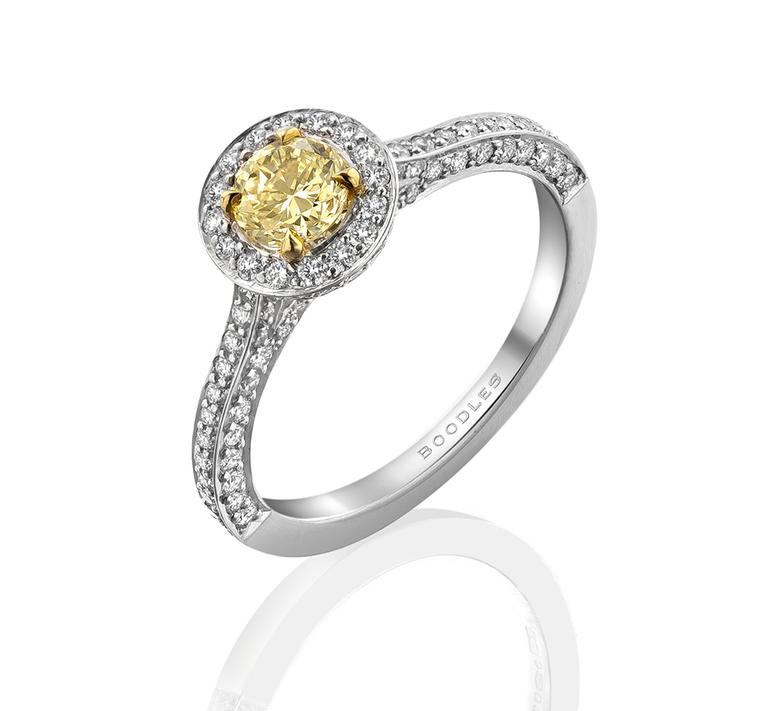
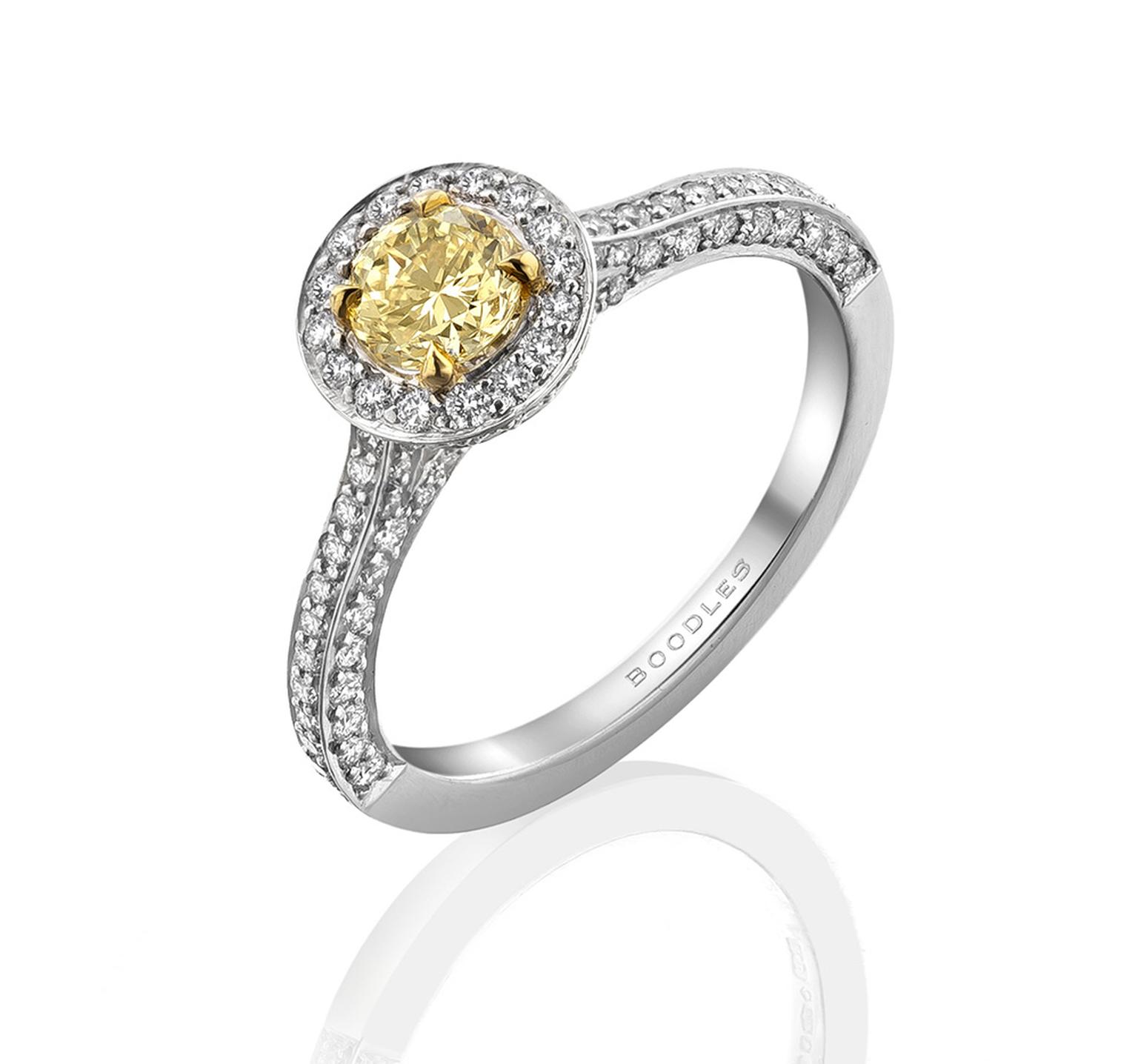
Closer to home, British fine jeweller Boodles has been investing in rare pink and yellow diamonds in response to customer demand. Its Vintage Classic engagement ring, set with a white diamond, is justifiably popular for its delicate antique styling, but swap the central stone for a natural diamond in pale yellow (from £8,760) and it is transformed into a pretty ray of sunshine.
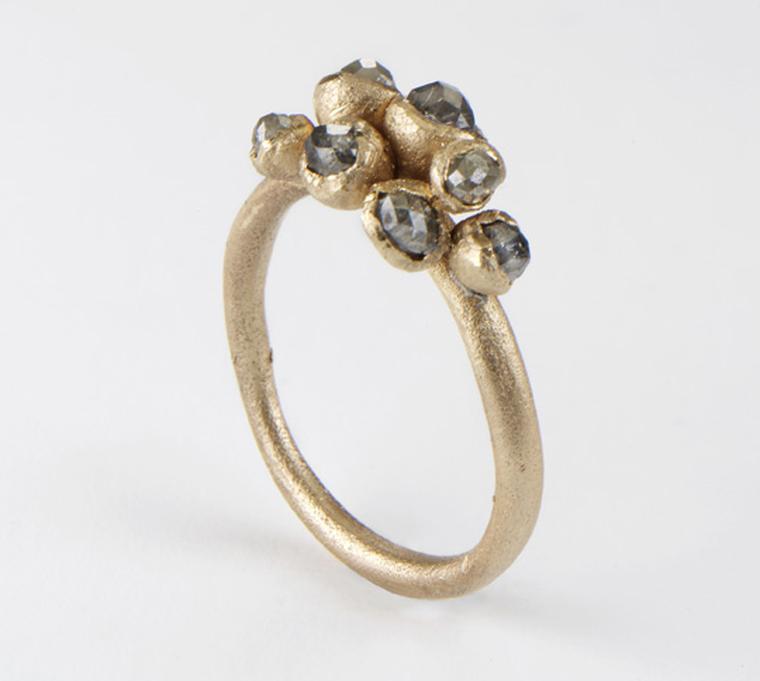
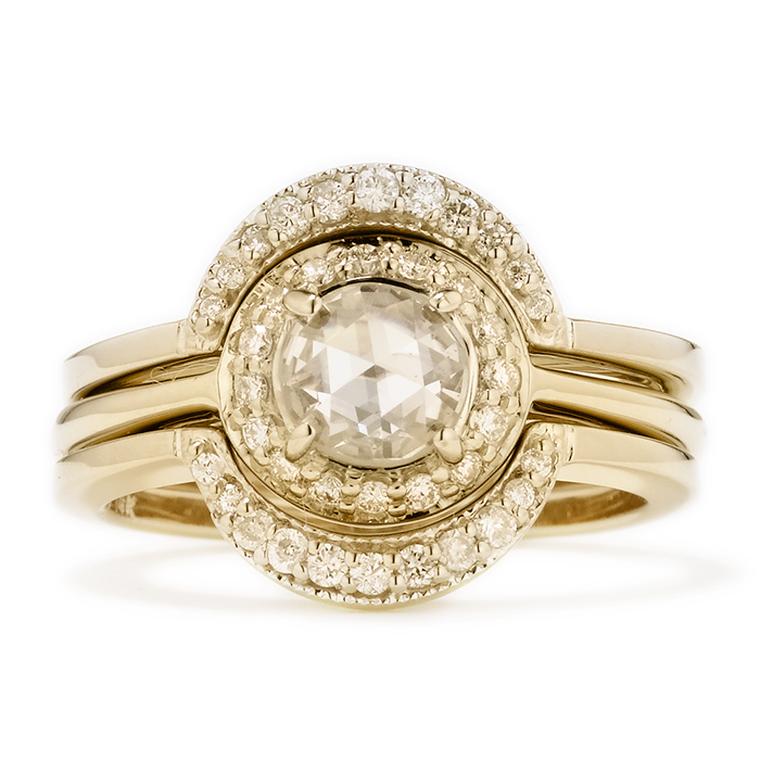
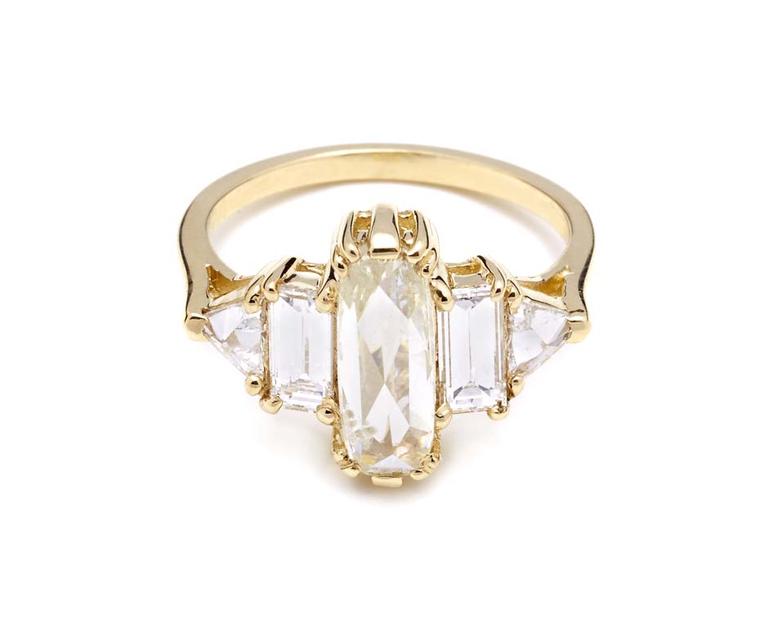
As is often the case, it is the independent designers who are experimenting with the more unusual colours. London-based jeweller Ruth Tomlinson works with natural brown, grey, green and champagne coloured diamonds - earthy tones that work beautifully in her organic designs. Her Cluster Diamond Ring in 18ct yellow gold (from £1,300) is set with seven, different-sized natural grey diamonds. US designer Anna Sheffield is well known for bending the rules of traditional bridal jewellery. Anna's Rosette & Crescent Bridal Set - an engagement ring and wedding band designed to sit together, with the option of adding an eternity band later - is available with white diamonds, but the champagne-coloured version, in yellow gold, looks so rich and warm there's no contest. (US$6,900 for the set; Anna Sheffield's designs are available at Liberty in London).
Colour is Ben Day's trademark - his two shops in central London are bursting with gemstones in every hue. Often, he uses natural coloured diamonds, but for his most vivid pieces, he turns to treated diamonds: white diamonds that have been blasted with electron accelerators to give them their intense hue. An affordable alternative to their naturally formed counterparts - true red diamonds are even rarer than blues - Ben uses them liberally in designs like his One of a Kind ring (£4,900), which is set with a spectacular burnt-orange mandarin garnet, either side of which is a band of red diamonds. It might be a radical departure from the traditional engagement ring, but think of the joy it will bring you every time you catch a glimpse of it on your finger.