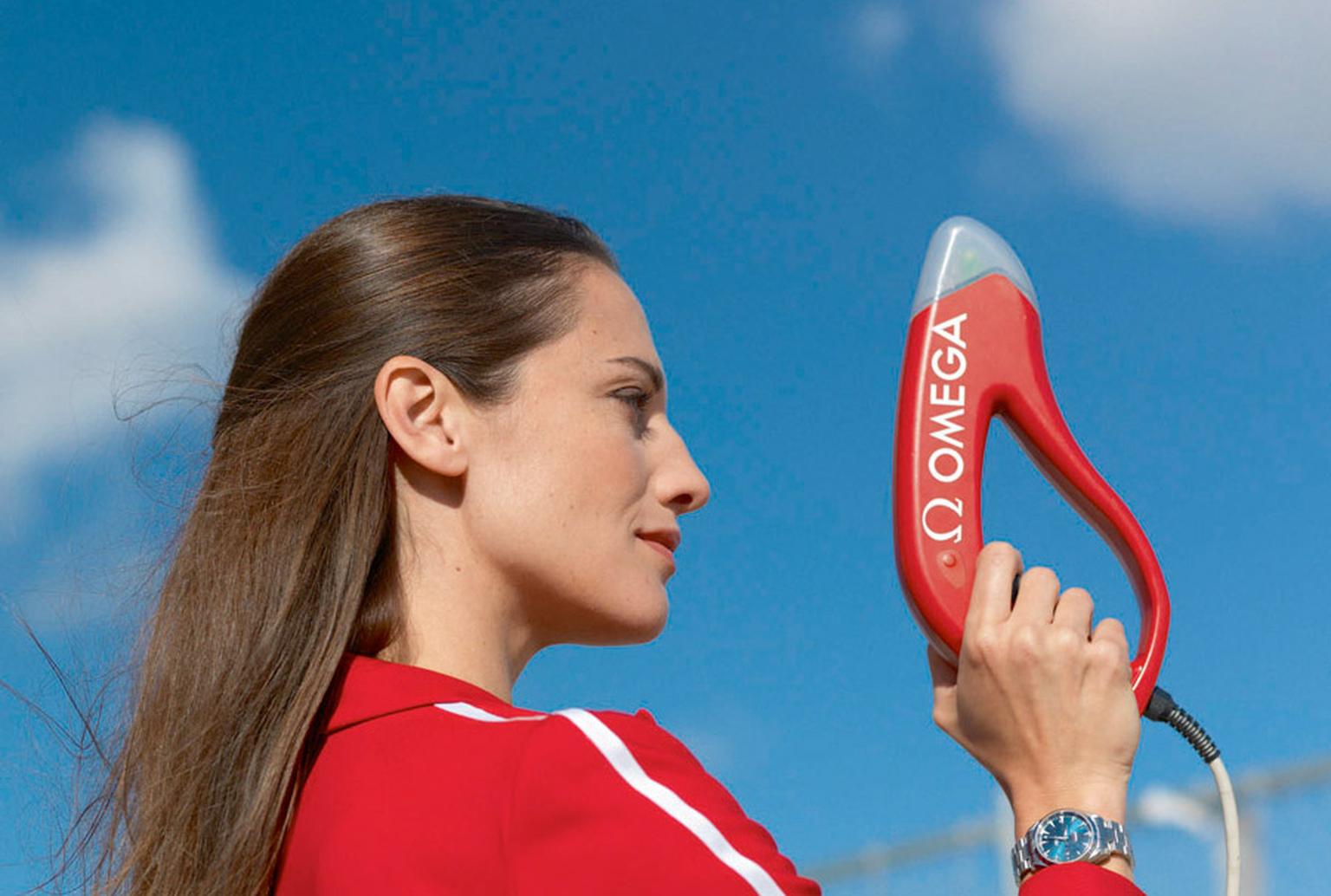
After years of preparation, planning, and up-at-dawn training for countless hopefuls, the London 2012 Olympic Games has finally come and gone. The Games were particularly important for watch giant OMEGA, who once again undertook the crucial role of official timekeeper, making it 25th time in eighty years since they first timed the 1932 Olympic Games in Los Angeles. Timing is critical for athletic endeavours, without measuring time to one tenth of a second, world records would not be the same. The chronological prowess of OMEGA will be key in deciding a lifetime's worth of focus, pain, and dreams. For those athletes destined for a glory afforded to so few, timing is everything.
This long-standing experience with the Games has meant OMEGA has gone from strength to strength in developing the unique equipment required to time sprinters, swimmers, horse riders, rowers and every Olympic and ParaOlympic sport to grace the Games.
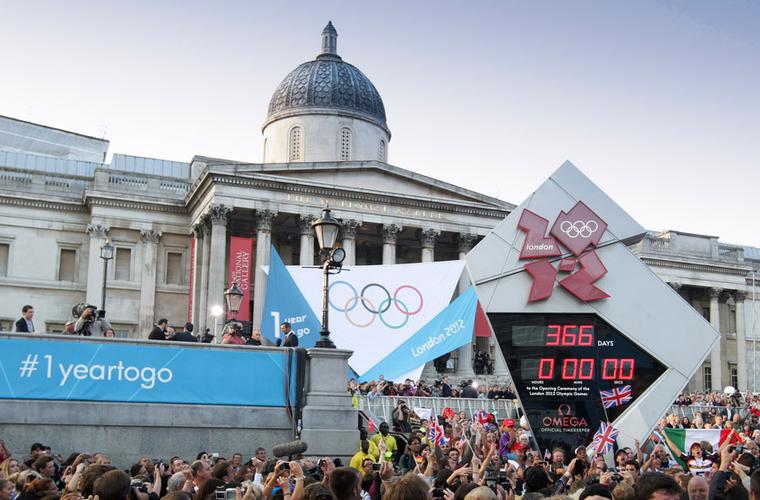
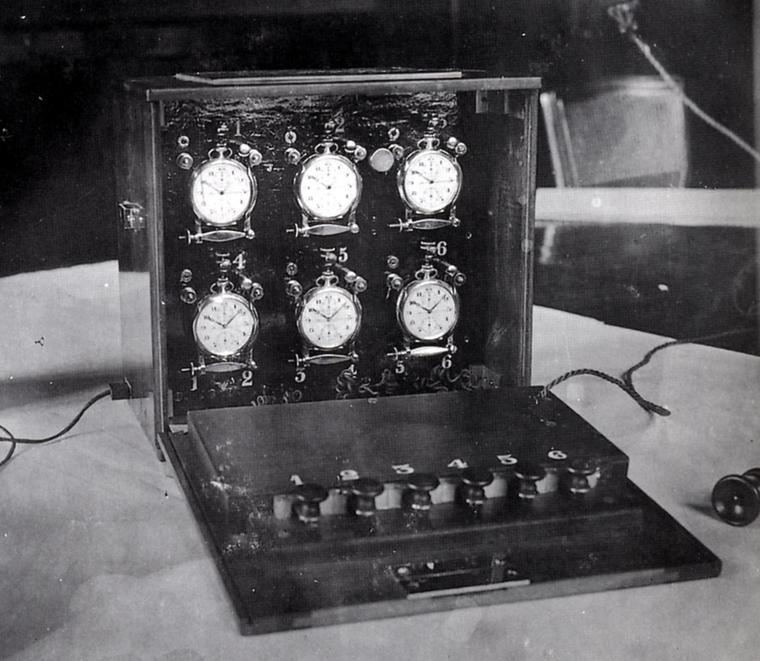
For over a year now we've become used to seeing the countdown clocks in Trafalgar Square, Stratford and Greenwich. For OMEGA this was simply the beginning of their involvment in the 2012 Games. The 1948 games saw the landmark introduction of modern sports timekeeping, as OMEGA's CEO Stephen Urquhart explains: "In 1948, the last time the Olympic Games were held in this city, OMEGA was responsible for timing each discipline in every sport. That edition of the Games is remembered for the technological milestones in timekeeping: the photoelectric cell, our fully-automated timing system and the first photofinish camera ever used at an Olympic Games".
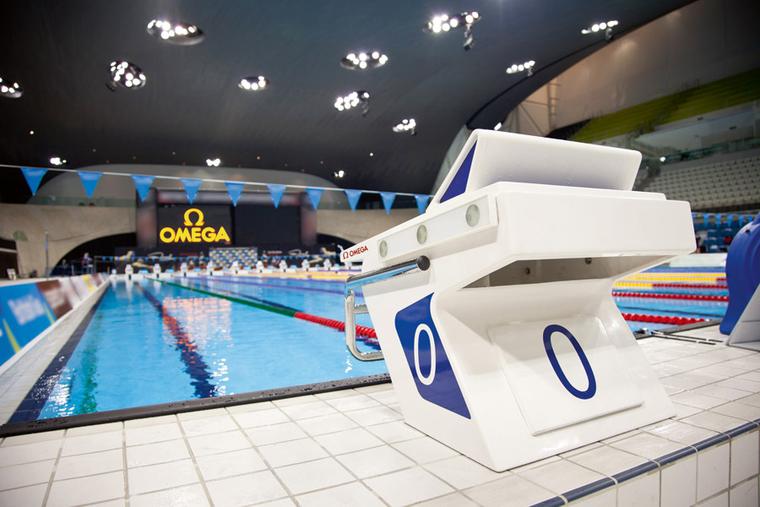
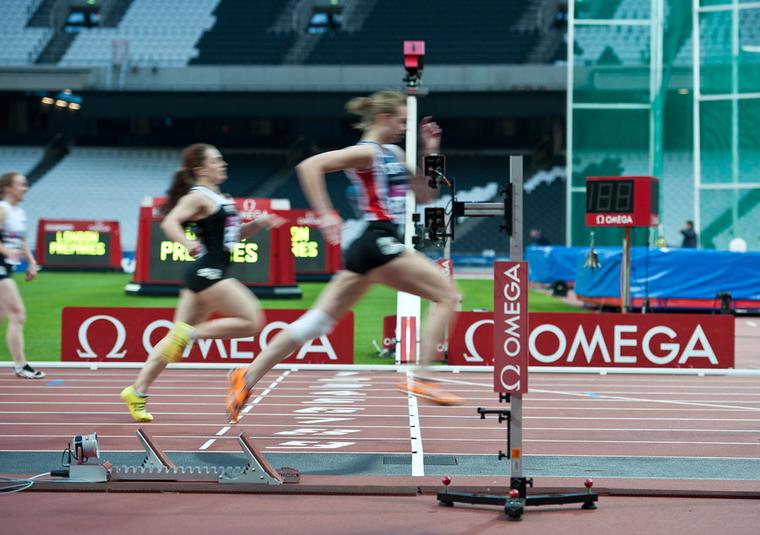
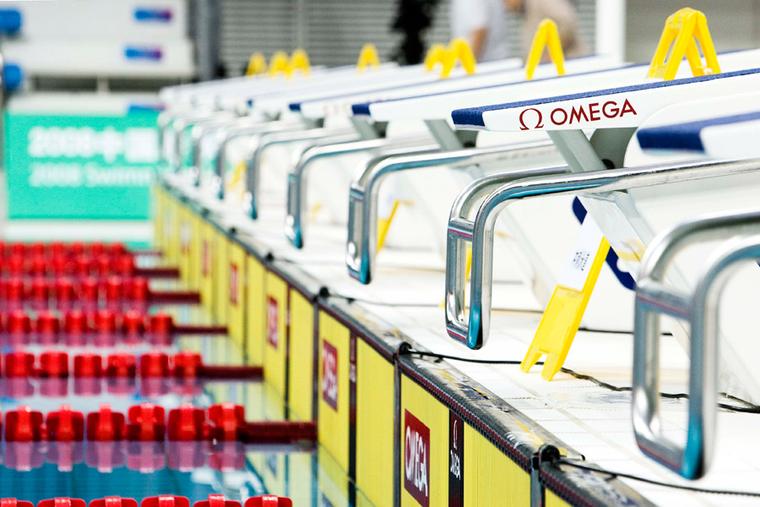
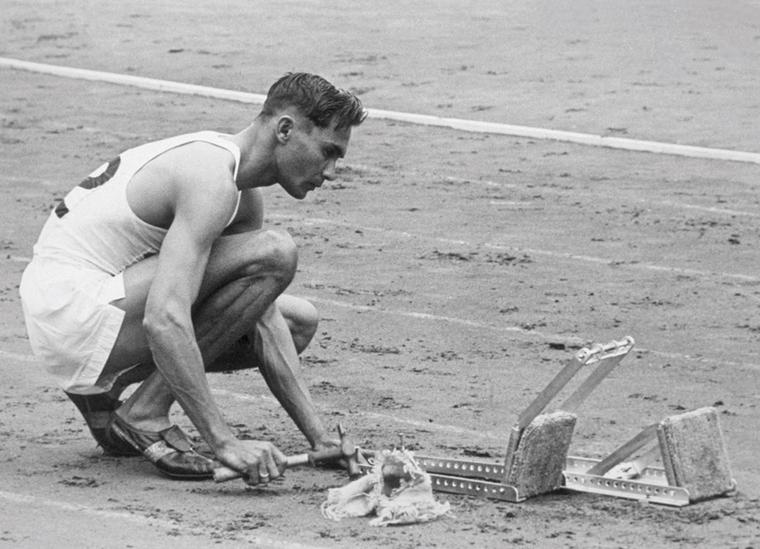
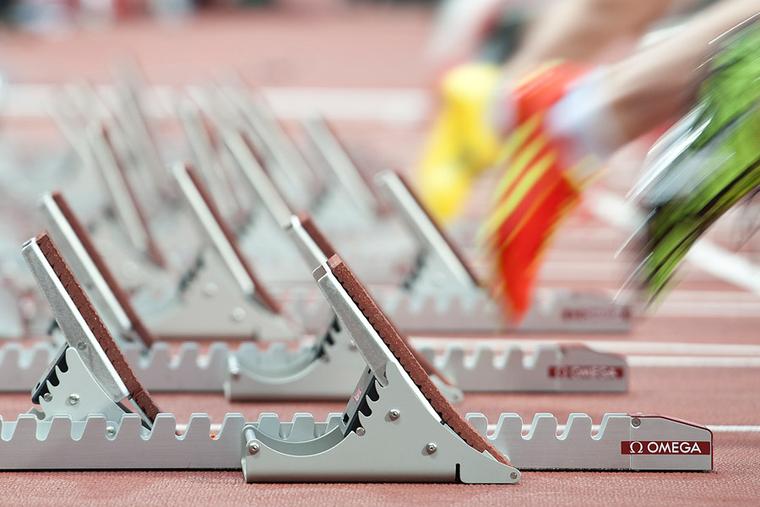
There are so many timekeeping advances with the Games that we watch today that many now take for granted. Even something as basic as the starting block has been revolutionised by OMEGA. Before 1948, legends such as Jesse Owen would dig their feet into the track for starting traction. Nowadays, OMEGA are ensuring identical starting conditions for every competitor with a brand new set of blocks. Each one can detect the reaction times of every runner automatically, be it a novice with Olympic dreams or human blurs like Usain Bolt. Likewise, the starting pads for swimmers are race-changing pieces of equipment. They were intorduced at the Mexico City Olympics in 1968, and have been present at every Games since.
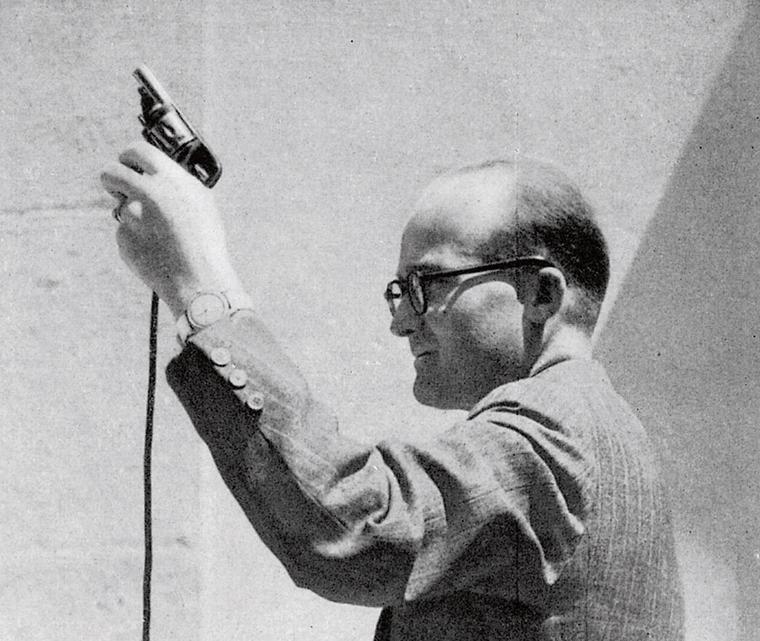
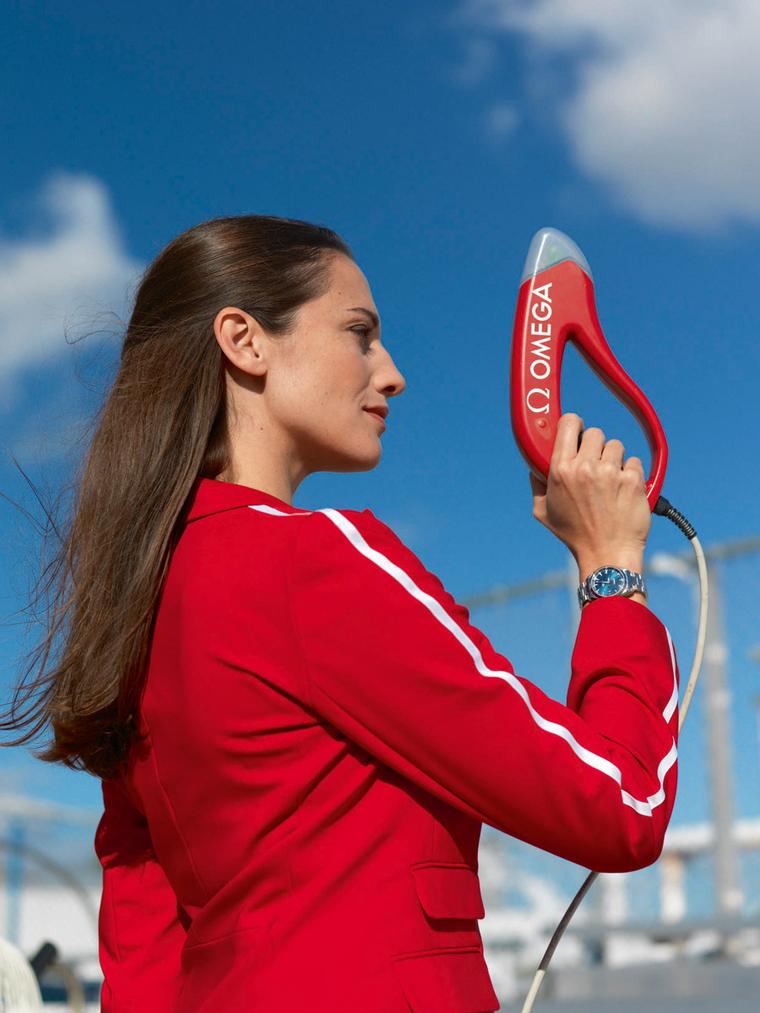
Instead of the quaint idea of an Olympic official brandishing an old-fashioned Smith & Wesson to start races, the reality is far more fascinating and much more appropriate. New starting pistols ensure that each competitor is given equal chance of that quick start: the sound is reproduced near each of the competitors, ensuring they each hear it at the same time. And of course bullets or powder are nowhere to be seen, instead a light flash triggers a pulse that instantaneously starts the timing device, while that familiar sound is pre-recorded and played over speakers.
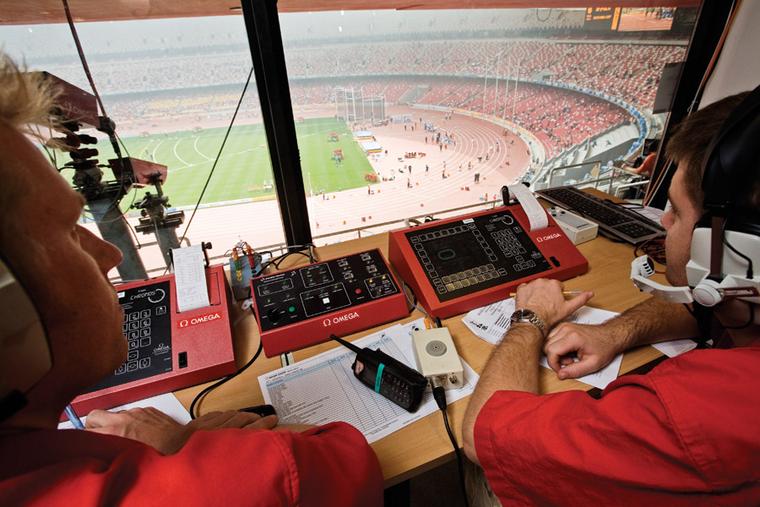
Despite all of the countless Olympic innovations they have seeded, London 2012 saw OMEGA bringing even more specialised equipment developed by a special team in Switzerland. As well as their new Open Water Gate system for marathon swimmers, OMEGA have introduced the Quantum Timer and the Quantum Aquatics Timer. The resolution of one millionth of a second makes them 100 times more precise than previous devices. Made up of sixteen independent clocks it means that sixteen individual running times can be implemented and communicated for the athletes, teams, viewers worldwide, and the timekeepers themselves.
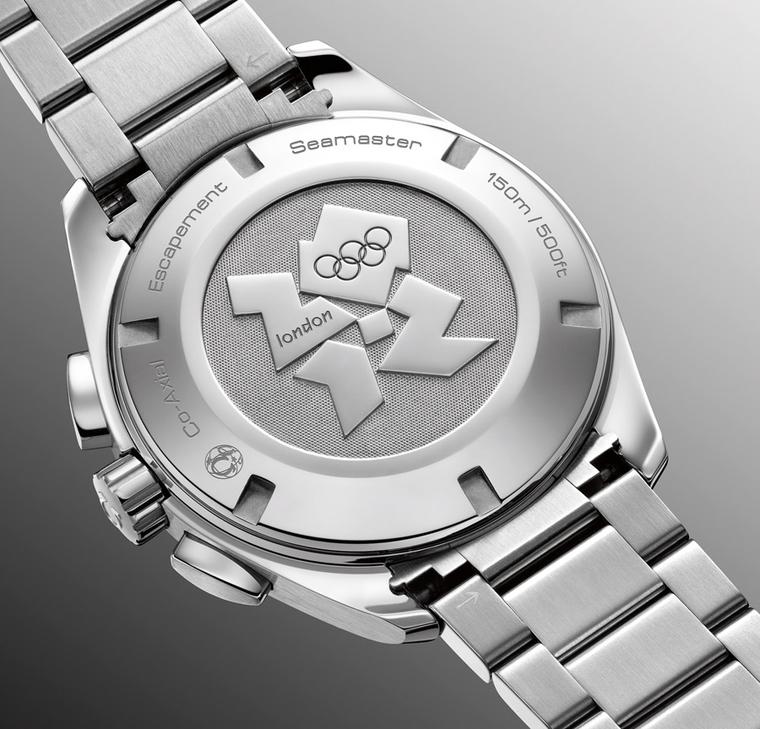
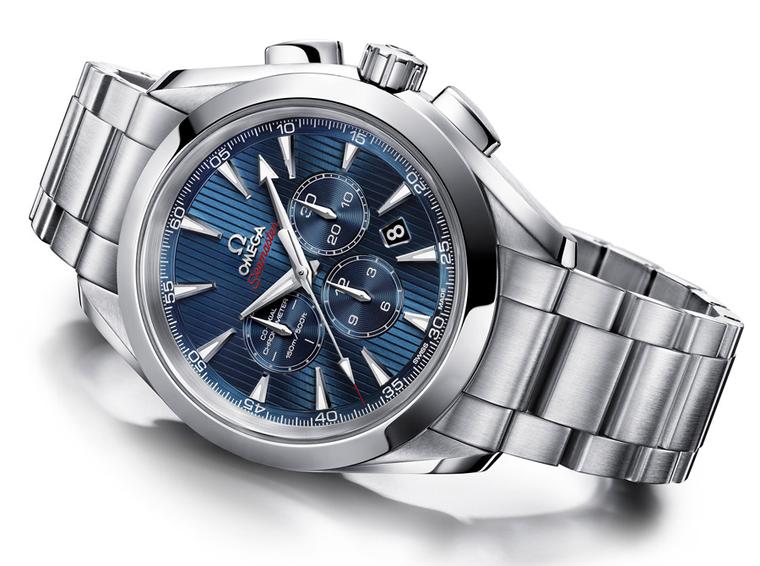
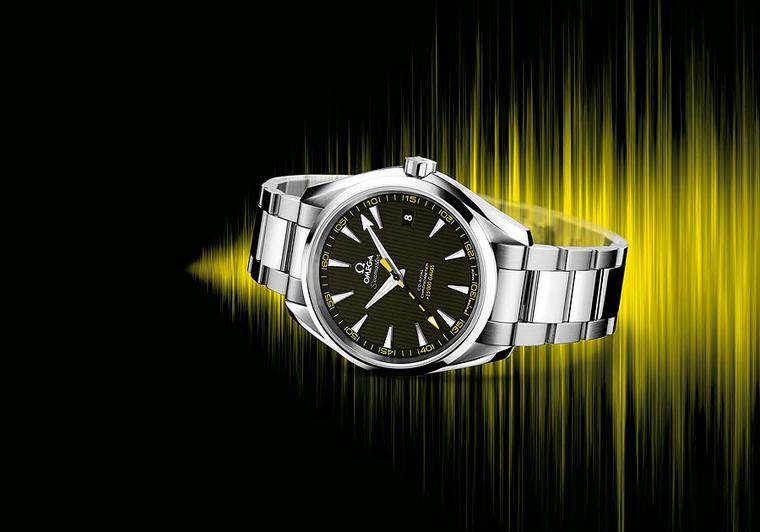
With technology such as this, ambassadors like gold medal-winner Jessica Ennis, and London 2012 editions of their legendary Seamaster Aqua Terra, OMEGA truly brought the games back to London with elan and of course, absolute precision.
Read about Omega at the Rio 2016 Olympics