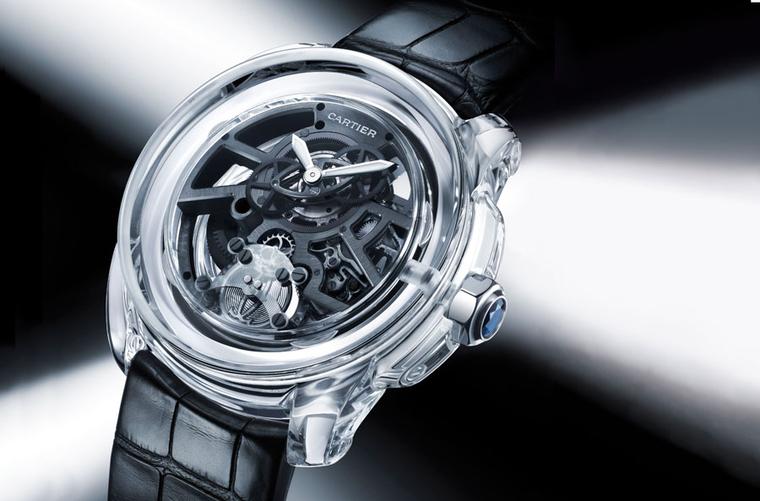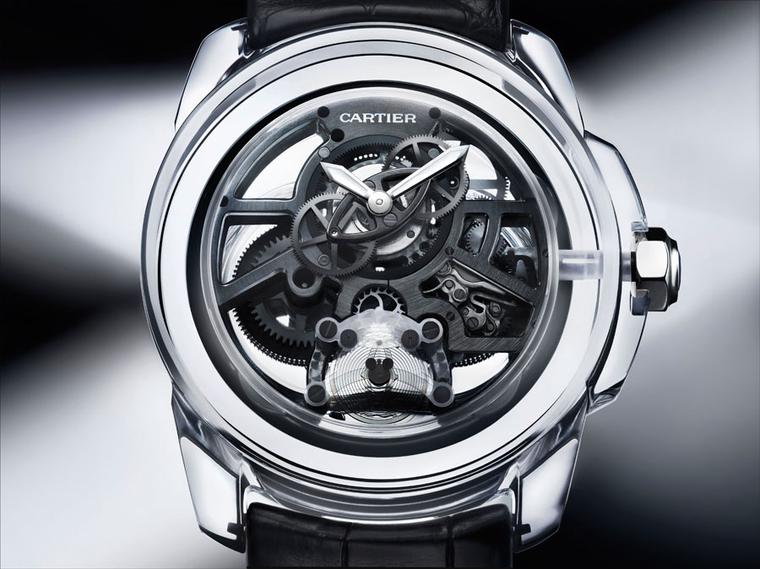
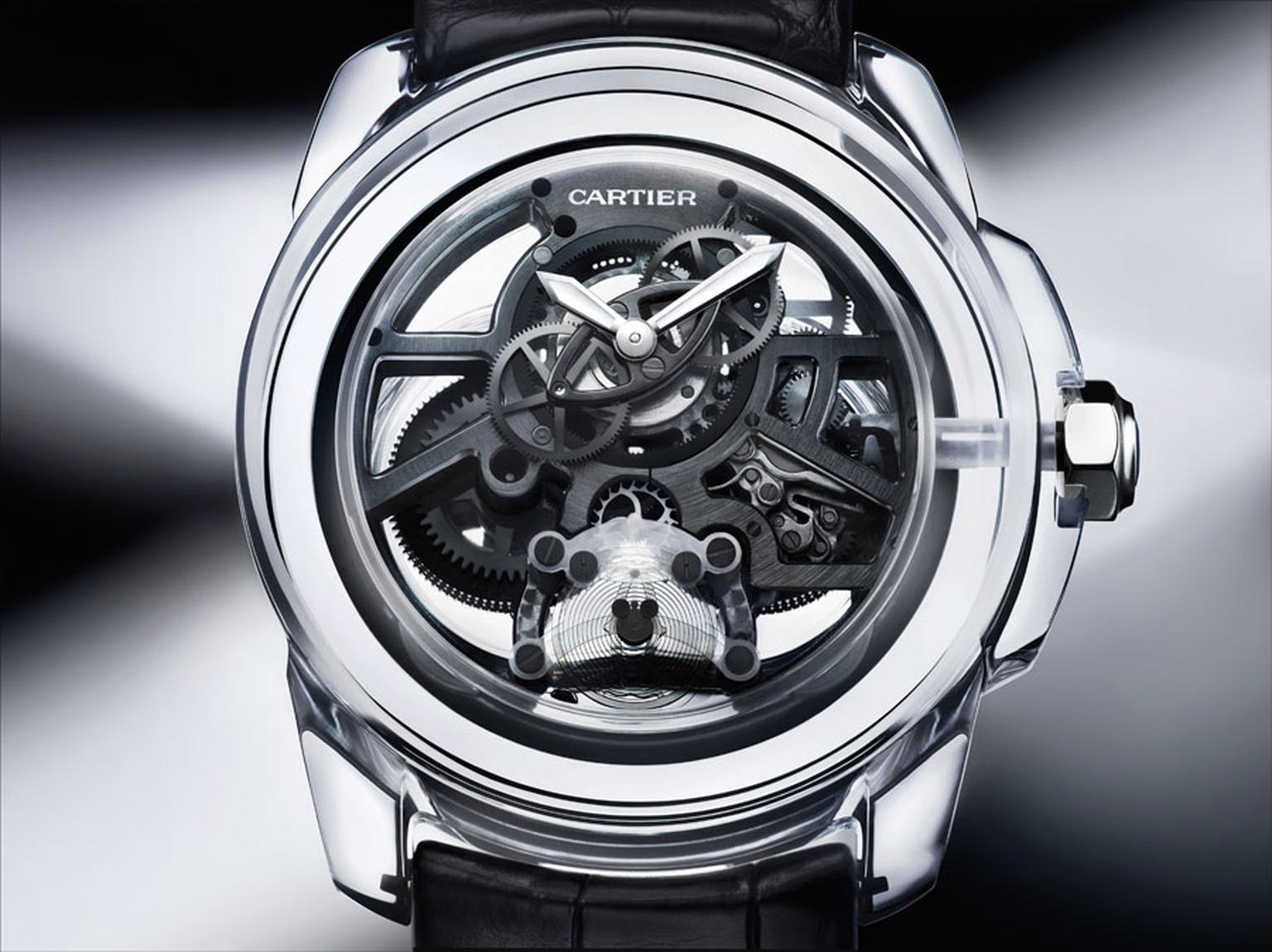
Cartier has unveiled the latest concept watch, the IDTwo and like it predecessor, the IDOne Cartier continue to innovate in directions that few other watch companies have the knowledge or commitment to explore. Like the ID One, this is a watch designed for the future, with no expense of ideas and mechanical genius spared.
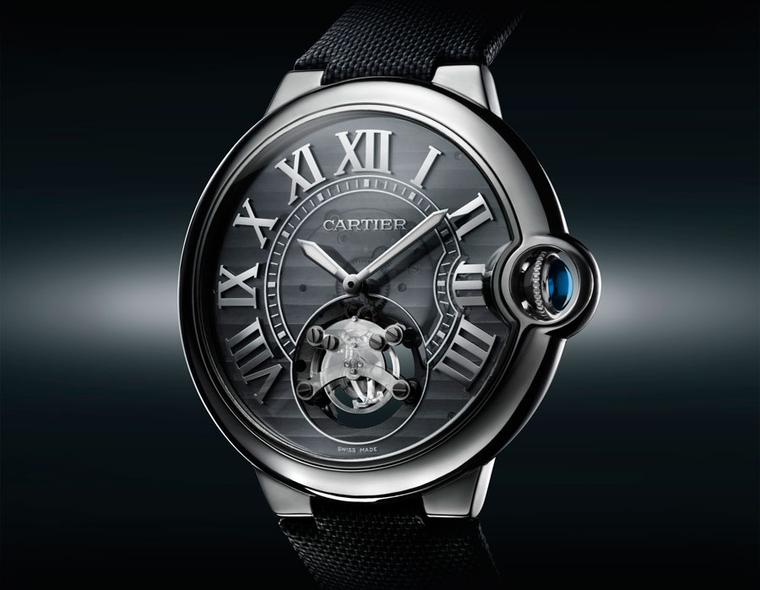
To appreciate the innovations present in the IDTwo, one must first look at its predecessor. The IDOne sought to solve one of watchmaking's oldest problems- the need to lubricate mechanisms with oil for that perfectly running timepiece. Of course Cartier succeeded with the novel solution of a watch that has a 'virtually' eternal working life and service-free watch. Currently half the production time of a mechanical watch is devoted to adjustments so the upside for the manufacturing stage is obvious. And for the customer, the IDOne could spell the end of tedious after-sales servicing that is about as attractive as a visit to the dentist.
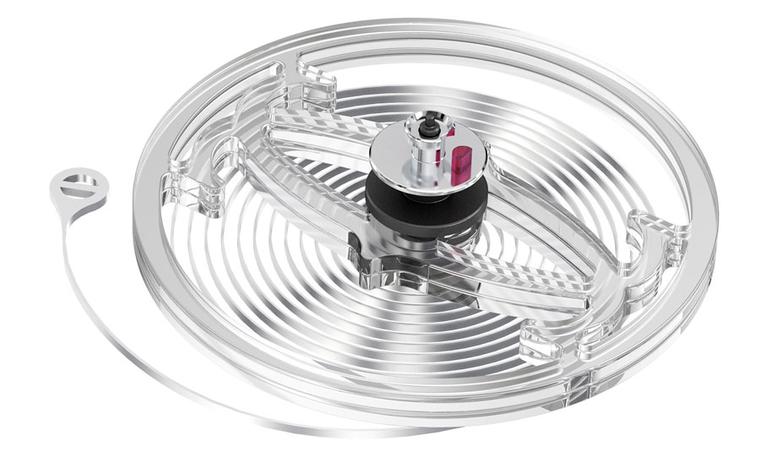
Furthermore, protection from the aggressions that unnerve the delicate balance of the whirring heart of the watch are built into the very components and case of the watch. Shocks, lubricant instability, temperature fluctuations and magnetism are no longer enemies of the mechanical watch. The first innovation to note is the balance wheel that is formed out of a mono-block of transparent carbon crystal. Carbon crystal is close diamond in its hardness and has a low friction co-efficient, is insensitive to thermal variations and anti-magnetic. Such is the production process and nature of this new material that the component can be fabricated to within a precision of 1 micron. Likewise the escapement wheel and the anchor are created out of this same silicon-based material. The IDOne's hairspring is made out of Zérodur®, a zero-expansion optical glass with used in massive telescope lenses such as the Xinglong Observatory in China and is naturally thermo-compensated and four times lighter than a metal hairspring as well as immune to the draw of magnetism. The IDOne is also totally oil-free at any of the typically 65 points of lubrication thanks to the low friction coefficient of the carbon crystal components and the Amorphous Diamond Like Carbon (ADLC) coating on all the other metal parts that, unlike DLC, fuses the hardness of diamonds with the 'slide' factor of graphite to render lubrication unnecessary. The team have waved goodbye to the ruby now redundant in the smooth marriage of ADLC and carbon crystal. To prevent impact damage all the new components of the escapement are housed in a carbon crystal cage mounted on "Silent block" polymer rings. The entire cage acts as a shock absorber and polymer was chosen over elastomere as it does not dry out or break.
The watchcase is made of an ultra-light alloy of Niobium and titanium, a metal more commonly used in the aerospace industry and for hip replacements as approved by the US FDA (Food and Drug Administration). The alloy is anti-corrosive, scratch resistant, biocompatible, diamagnetic and shock resistant. The elastic nature of the alloy means that shocks are diffused into a gentle curve and so this alloy was chosen over ceramic that has no shock absorption qualities. It is also worth noting that both Niobium and titanium are environmentally sustainable and unlike gold that is machined at heat-generating low speed, this new alloy requires more ecologically friendly high speed machinery. And expect sustainability issues to be more prominent in the future. All this materials science and re-engineering results in a more precise, easier to assemble, maintenance free watch. According to Cartier, when tested in a dial up position, is second only to quartz with a precision of +/- 3.5 seconds a day.
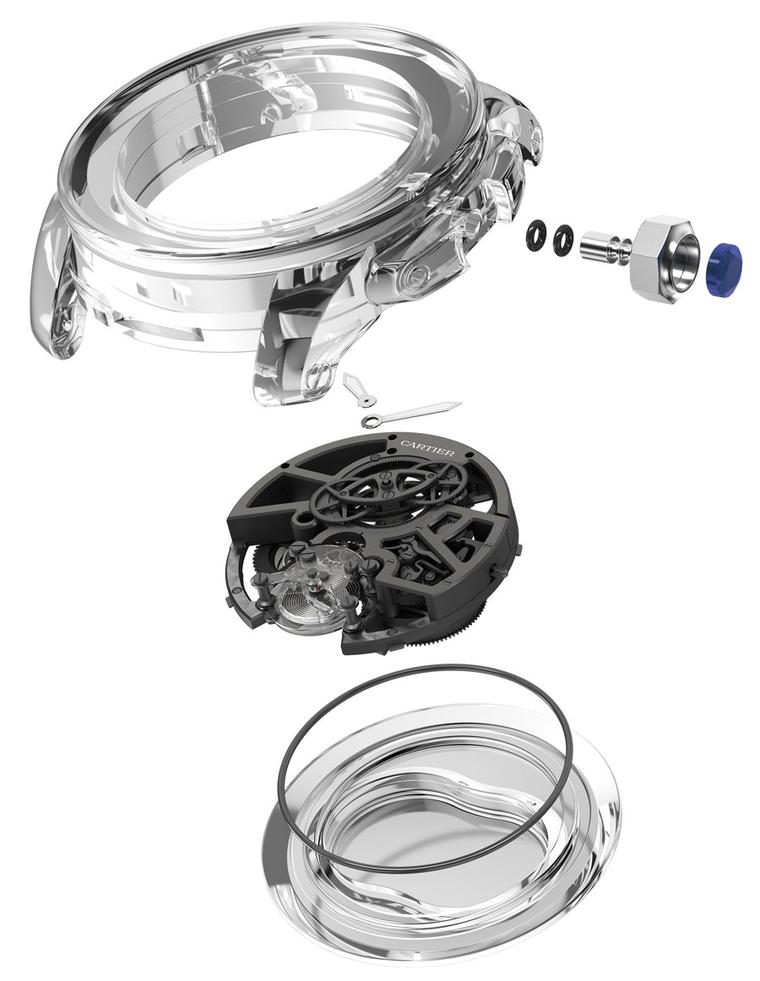
The IDTwo does so much more though. Simply, it uses two times less energy, has a mighty thirty-two day power reserve and stores 30% more energy. With the removal of the need for oil with the ID One, the next step was naturally the removal of the next source of friction: the air itself. Short of creating a watch that could only be worn in the vacuum of space, Cartier have gone one better and created a vacuum within the watch itself. The watch is vacuum-housed inside a case derived from a single block of Ceramyst. The same ID escapement is now coupled with breathtakingly black fibreglass springs that one can see through the watch face itself.
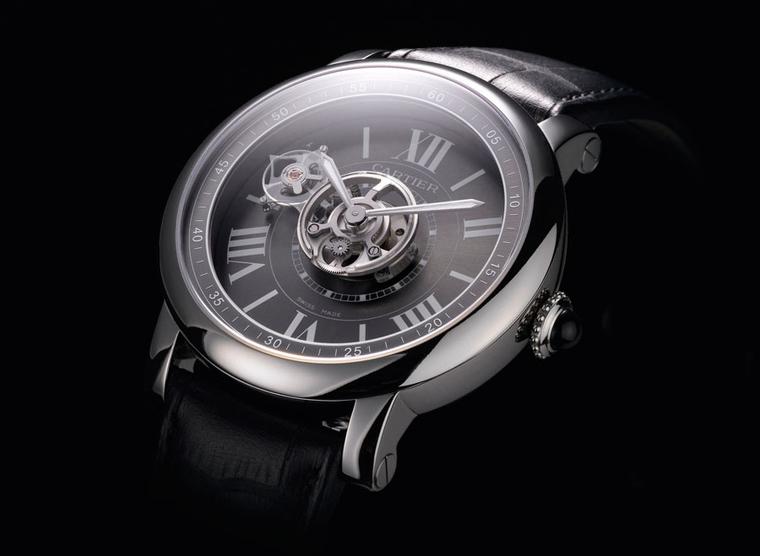
If this all sounds like hot air it should be considered just how much energy in watches is wasted through friction and air resistance: 75%. With this in mind where can you get one of these horological beauties? Well they wouldn't be concept watches if they weren't one-of-a-kind and so are quite literally priceless. That said, one watch that is available to us mortals has risen out of the of creative complications of the ID One. The Astrotourbillon Carbon Crystal utilises the same niobium-titanium case, carbon crystal components, and of course the adjustment-free and lubrication-free pallet and escapement wheel.
With these three watches we see how even the most high-minded innovations can lead to technology available to each and everyone of us. Too often do concepts remain just that- fantastical ideas that rarely leave the page. Here though we see true leaps in the execution of these dreams and how they can be brought to spectacular life.