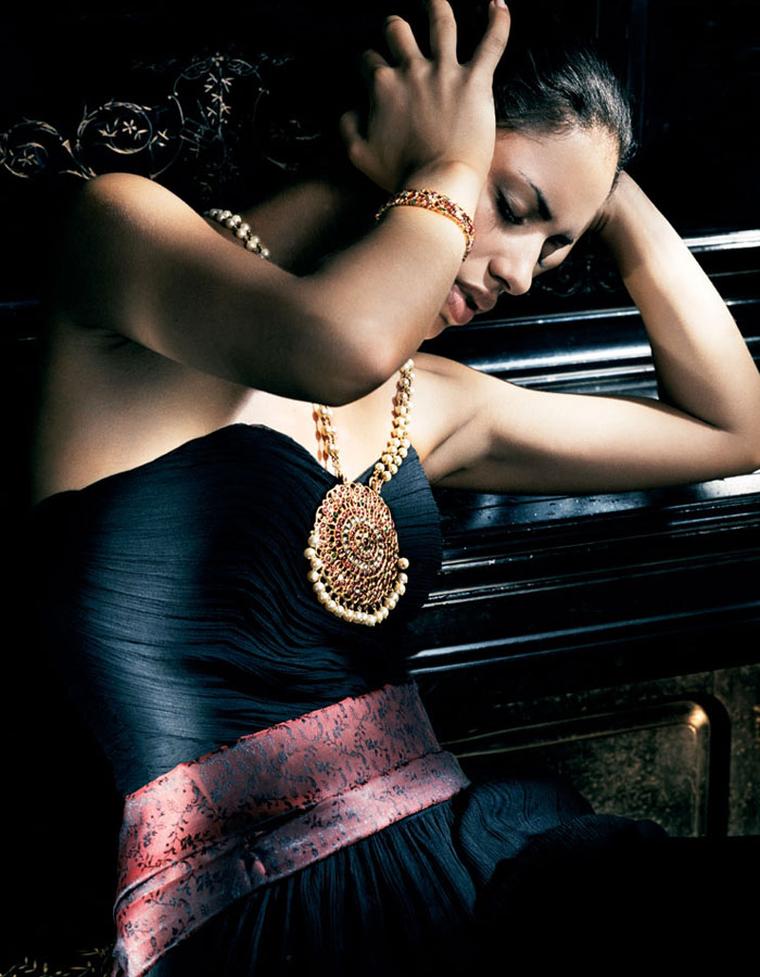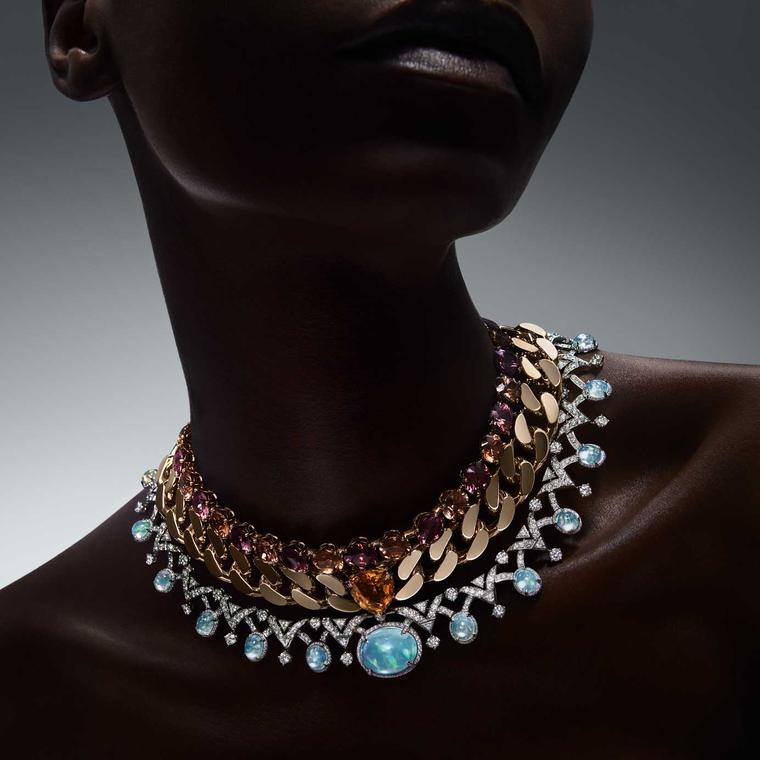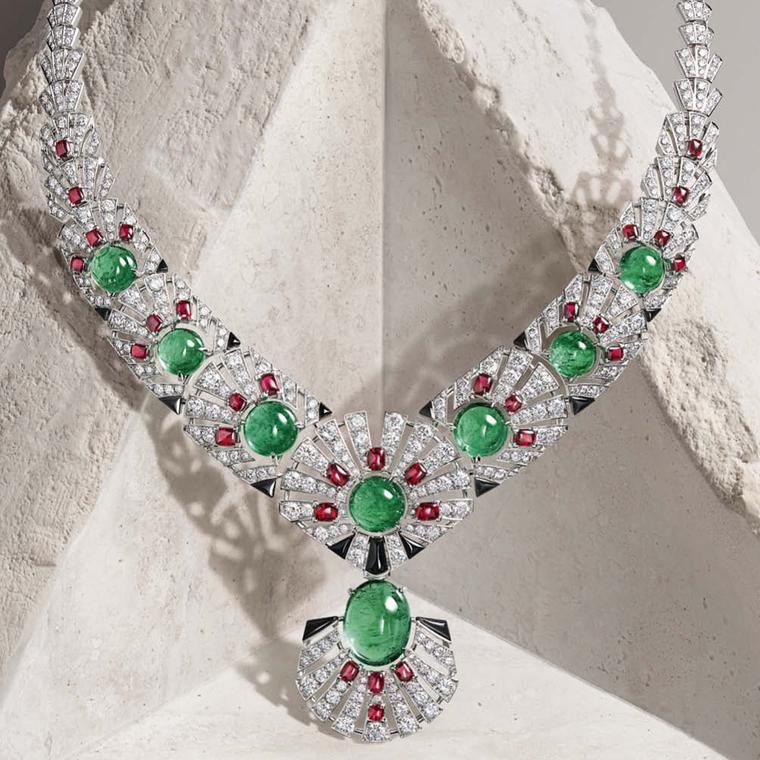
With a heritage of over a hundred years, Ganjam has carved a niche as one of the nation's leading luxury brands offering a tantalizing blend of modern and traditional jewellery. Desired and worn by Maharajas and Maharanis, the firm has long been the choice of royalty and found favour with the ruling families of India, Nepal, United Kingdom and Japan.
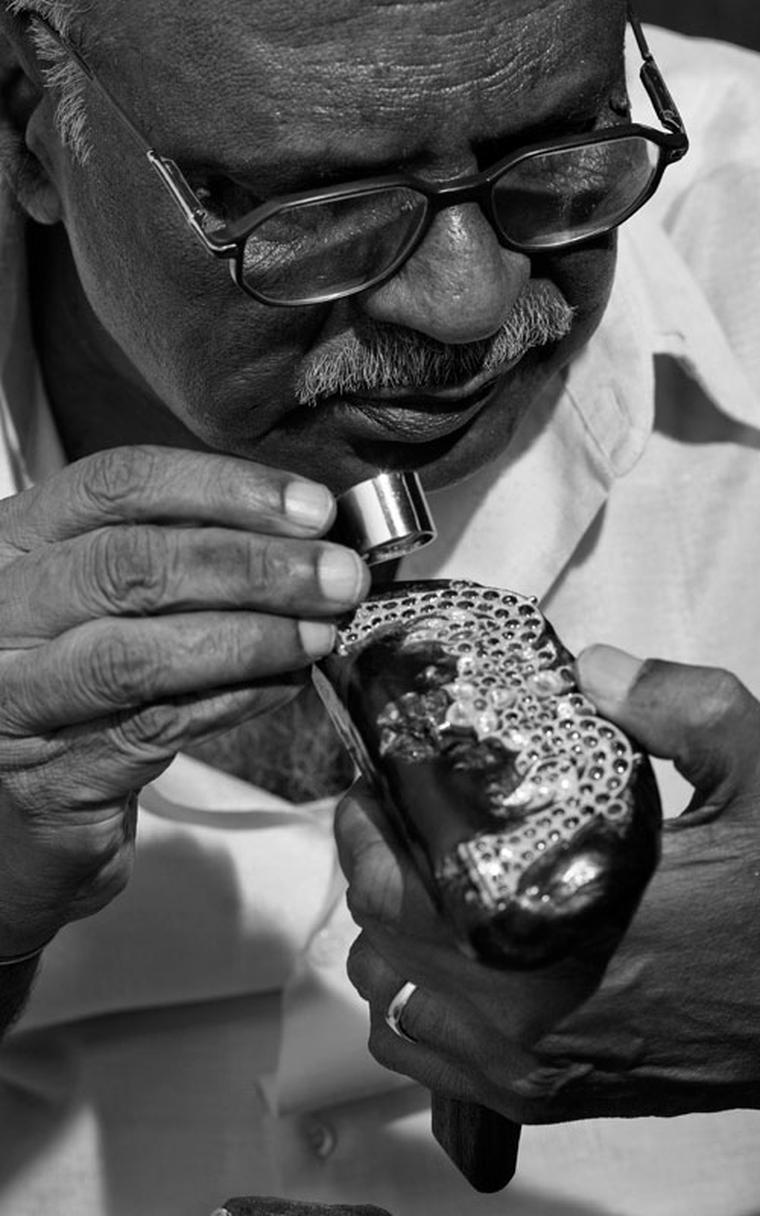
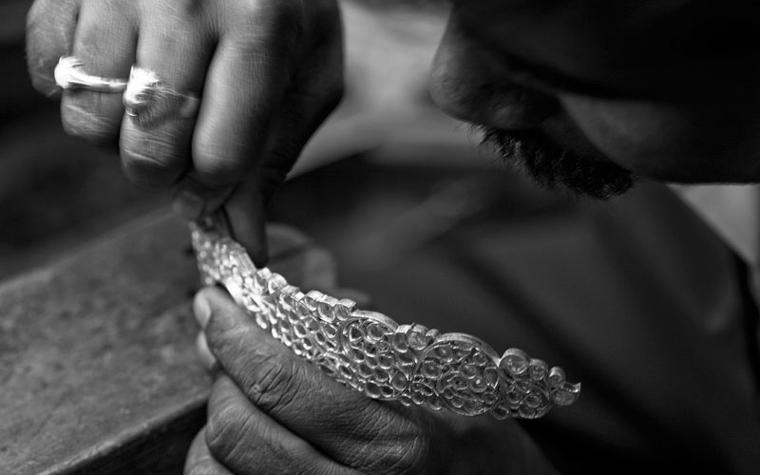
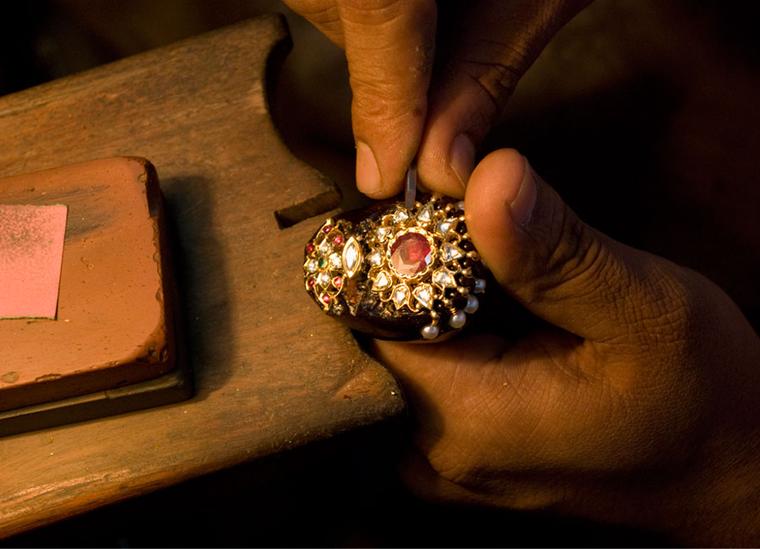
A visit to the Ganjam workshops is a step back in time. Here you will meet artisans whose forefathers have worked with Ganjam over generations, with skills passed from master to apprentice, from father to son. You may even find Eswar Ganjam, the chairman of the company, choosing rubies, emeralds and flat diamonds.
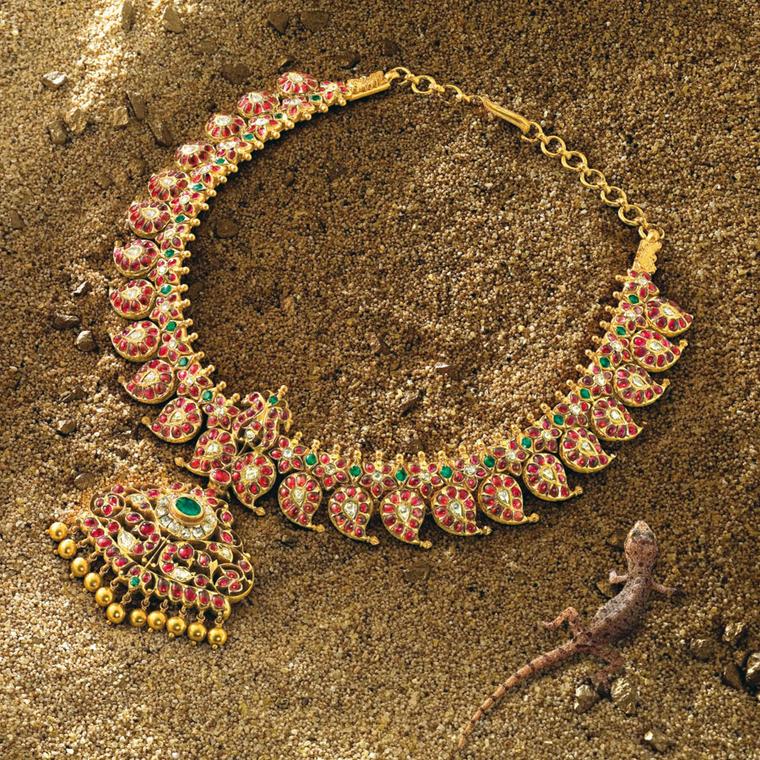
Eswar Ganjam also ensures that the tradition of fine craftsmanship lives on at Ganjam and in particular the ability to still make traditional carnatic jewellery. More than just adornments, carnatic jewels are an aspirational symbol of human spirituality created over the centuries. Ganjam is driven to preserve and continue this extraordinary tradition.
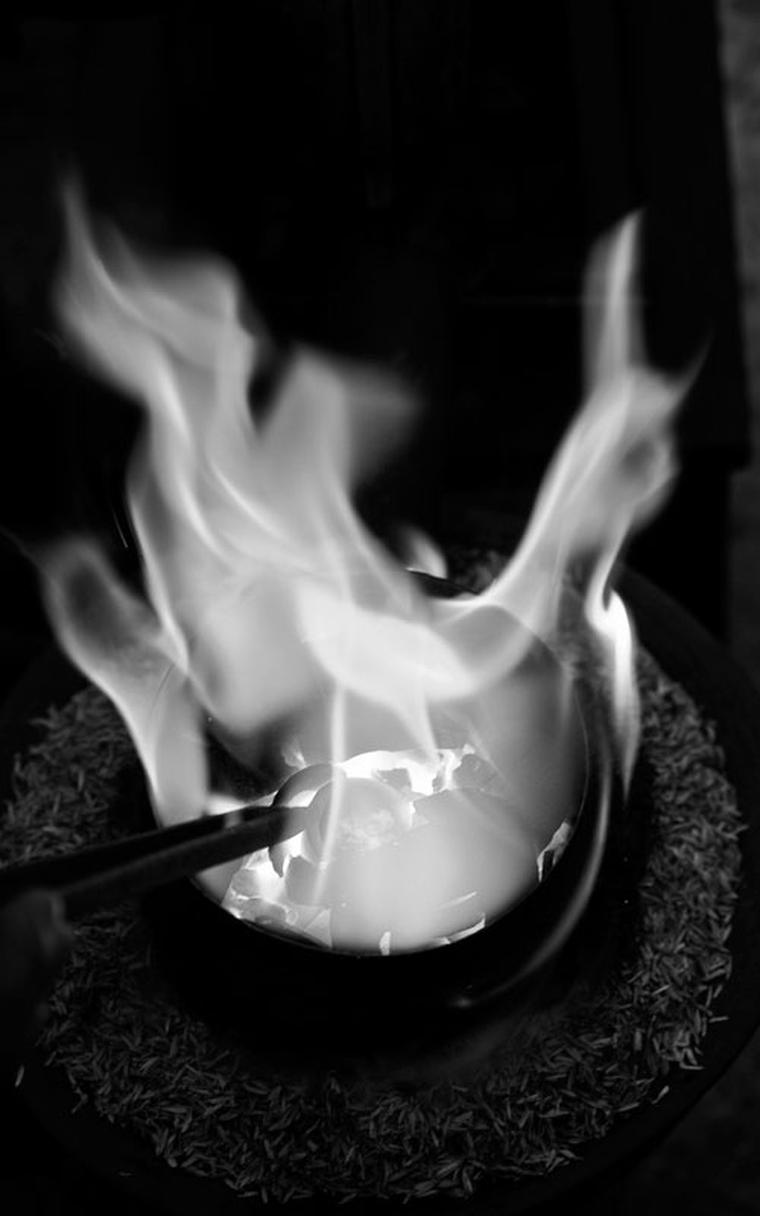
Ganjam is still creating the same uniquely distinctive South Indian classical jewellery using traditional skills in 22 carat gold. Ganjam continues to champion Kundala Velai, together with the centuries old 'lost -wax' casting technique that originated on the banks of the river Cauvery.
The story of this internationally acclaimed brand dates back to the little town of Ganjam in Orissa, in Eastern India. In 1889, gold yielded its secrets to a young man called Ganjam Nagappa born into a family with a tradition of gem trading and jewellery. He took his legacy across India conquering new markets as dynasties in the region flourished and moved to Hampi, which was then, the capital of Vijayanagara Empire. Following the ebbs and flows of fortune and power, the business and family later moved to Mysore when the city was proclaimed capital of the Karnataka state.
But Ganjam has also ventured into new territories not just in the use of precious gemstones but it is one of the very few Indian jewellers to use only hand picked, 'f' colour diamonds in all its jewellery. It has also introduced new techniques into India so while dynasties have ceased to exist and metropolitan cities have grown, the house now has a more international client base with shops in Bangalore, Mumbai and New Delhi.
The Ganjam family has wisely kept some of its finest ancient jewellery, which is now part of the family archives and is not for sale. But this treasure trove provides inspiration for the 'Heritage Line' influenced by South Indian temple architecture, which in turn has roots in mythology and the human form.
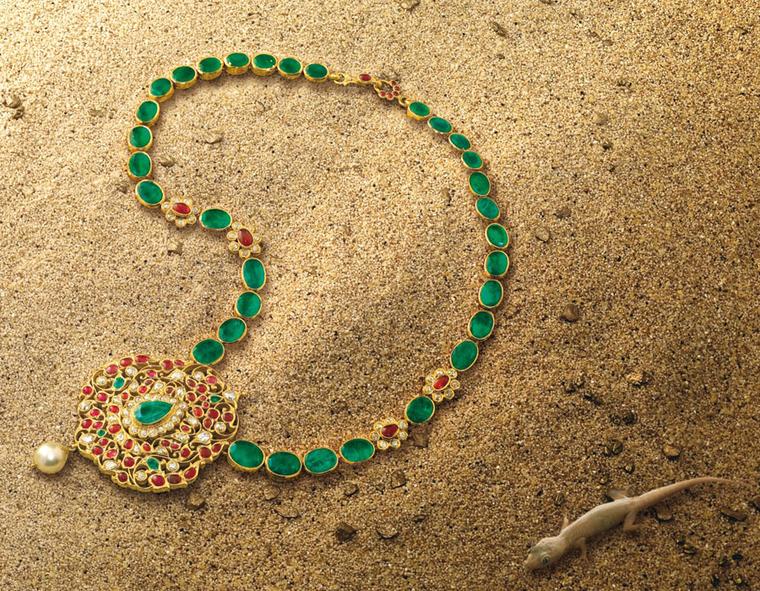
Take the 'makarakanti' ceremonial necklace, worn by royalty and their courtiers for ceremonial occasions. You can see how the old styles inspired the new jewels in the Heritage collection.
The word makara- stands for a mythological sea monster combining the body of a crocodile with other animals. The word kanti means necklace. The upper pendant represents the tail of the crocodile.
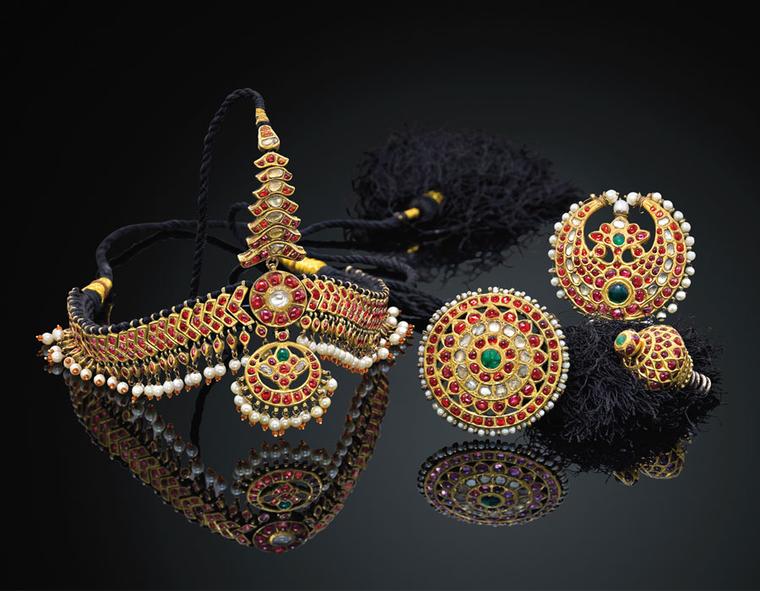
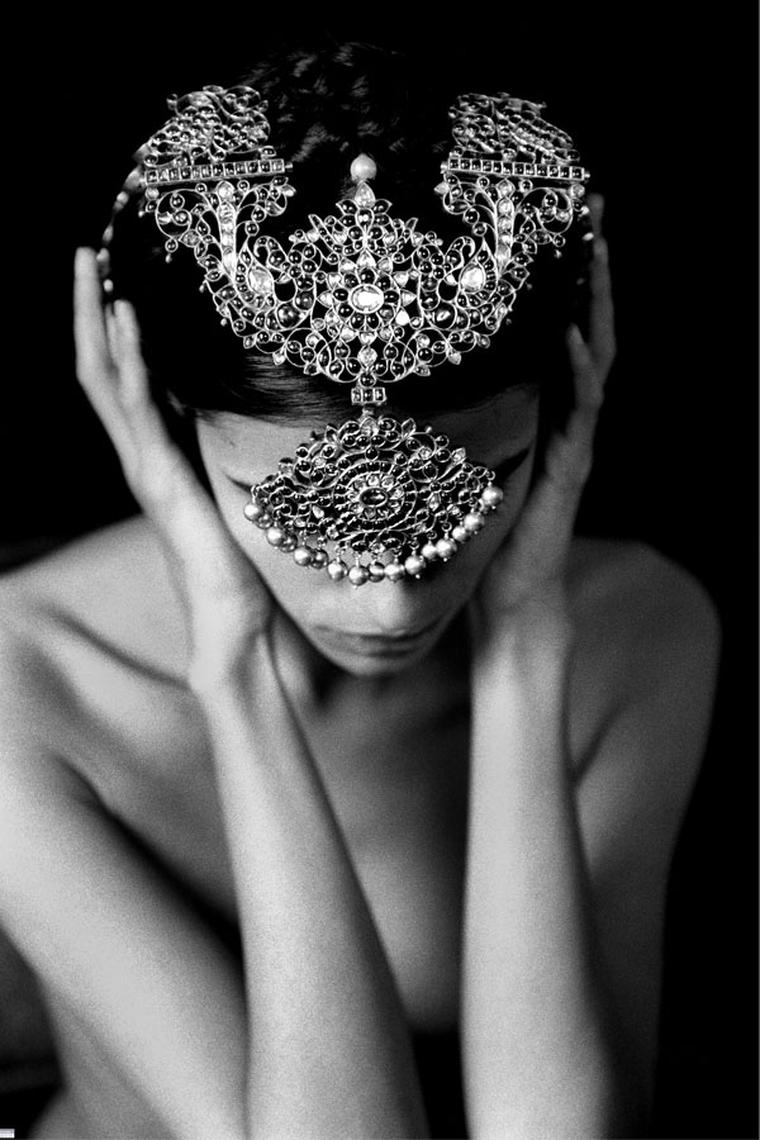
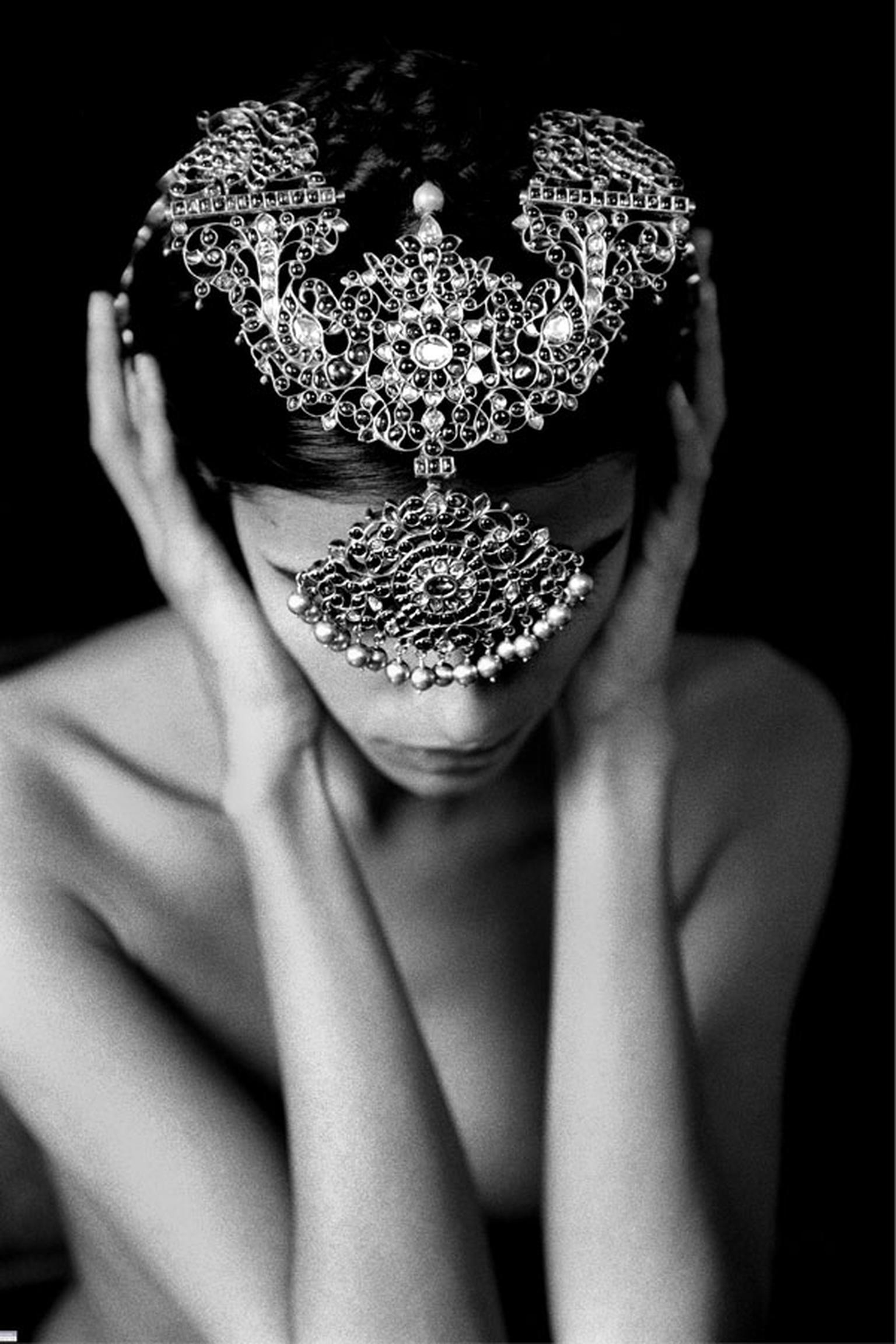
The Thalaikuchchu is a three-part jewel framing the face at the hairline sitting at the centre of the parting of the hair. The arms extend from a central rosette and rest on the forehead. A pendant dangles delicately from this point. It is a Talai Saman ornament and worn to ward off any negative thoughts that were directed at the wearer. Talai Saman are ornaments worn on the head.
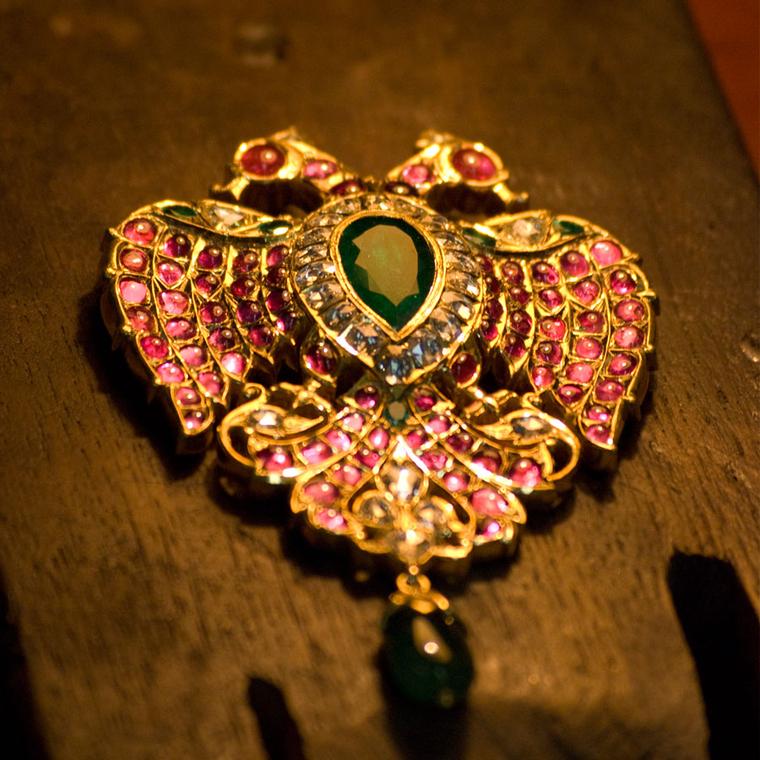
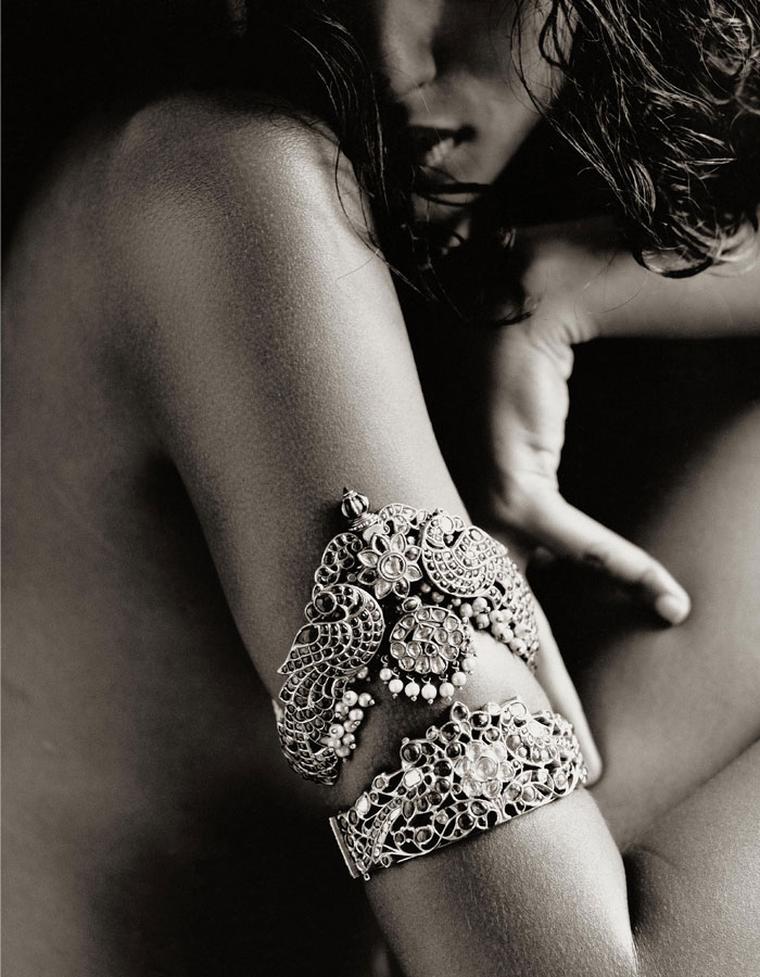
The Vanki is a rigid armlet worn over the upper arm. The V shaped form allows for some flexibility for different sizes. Two beautifully studded peacock motifs form the basis of this piece. With its beautiful plumage and curvaceous body, the peacock has become an inspiration for many important pieces in this style of jewellery.
Every piece is made by hand, without consideration for the time it will take, and the work of these remarkable craftsmen brings to life the subtle variance in natural stones. According to the firm's tradition, only then is a piece of jewellery born.
TEXT AND RESEARCH BY PREETA AGARWAL