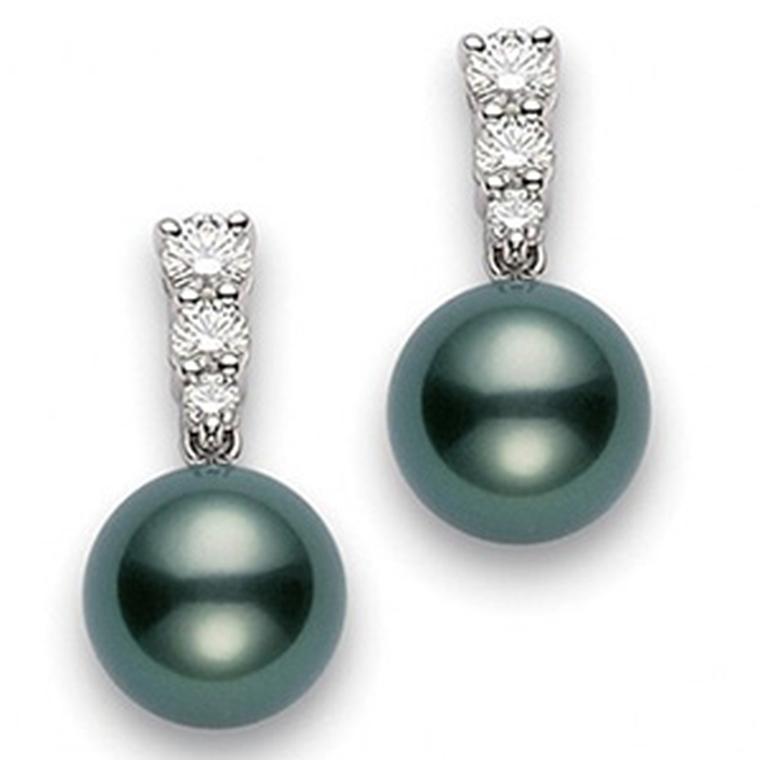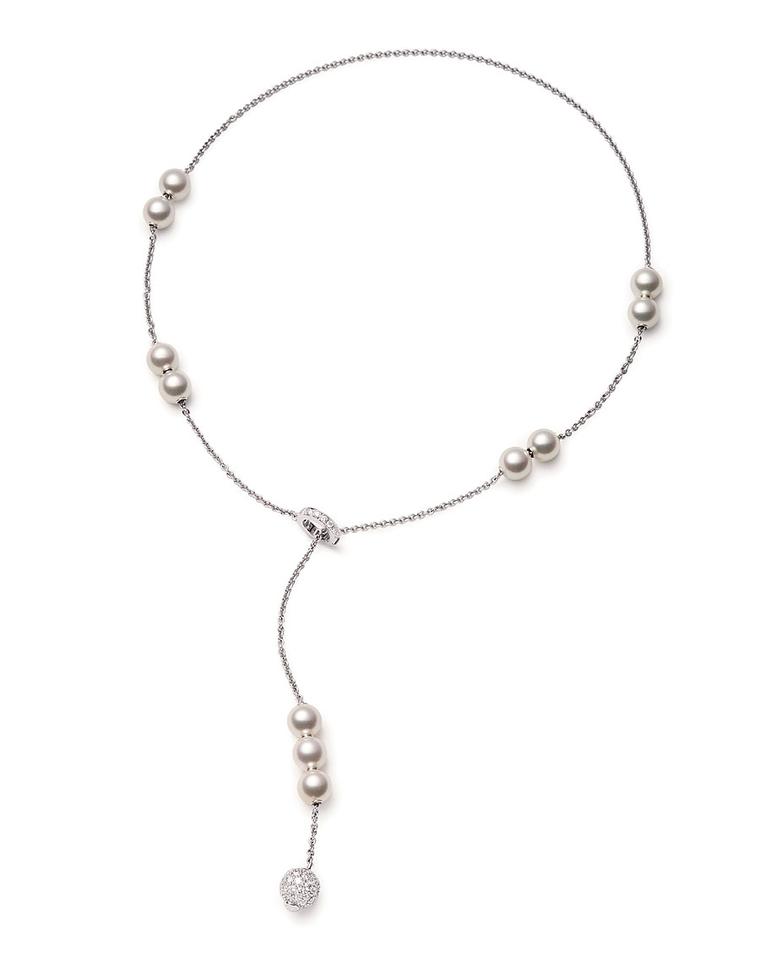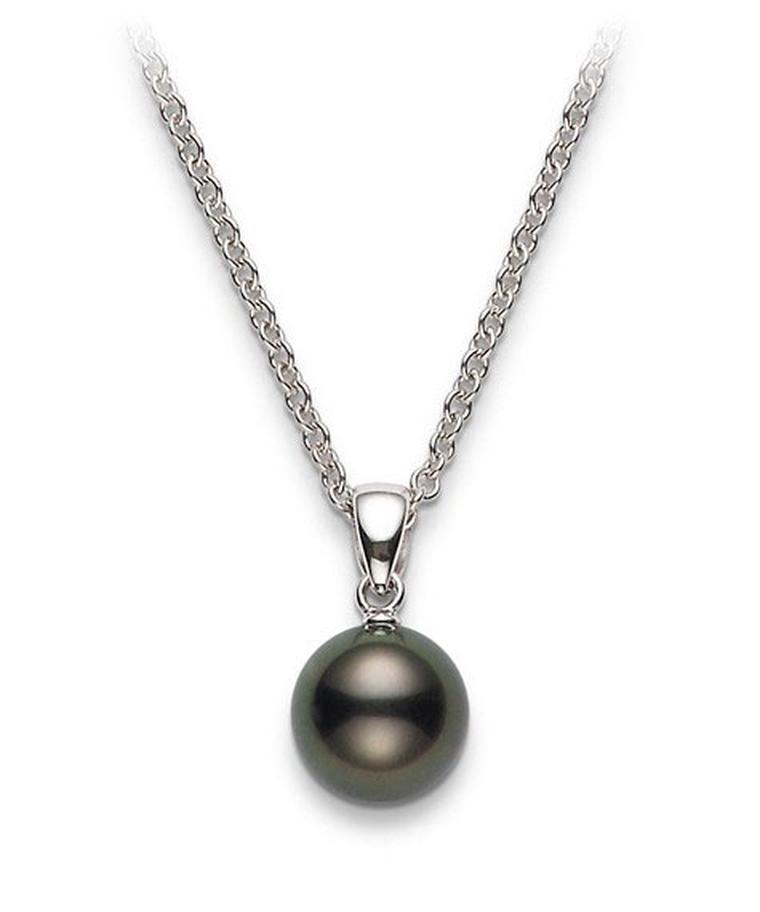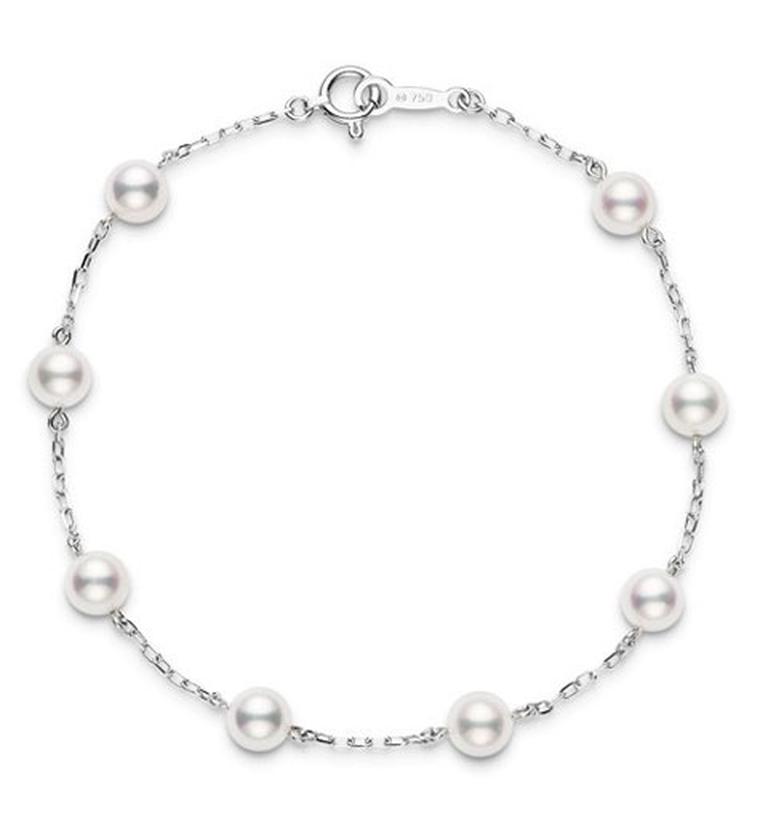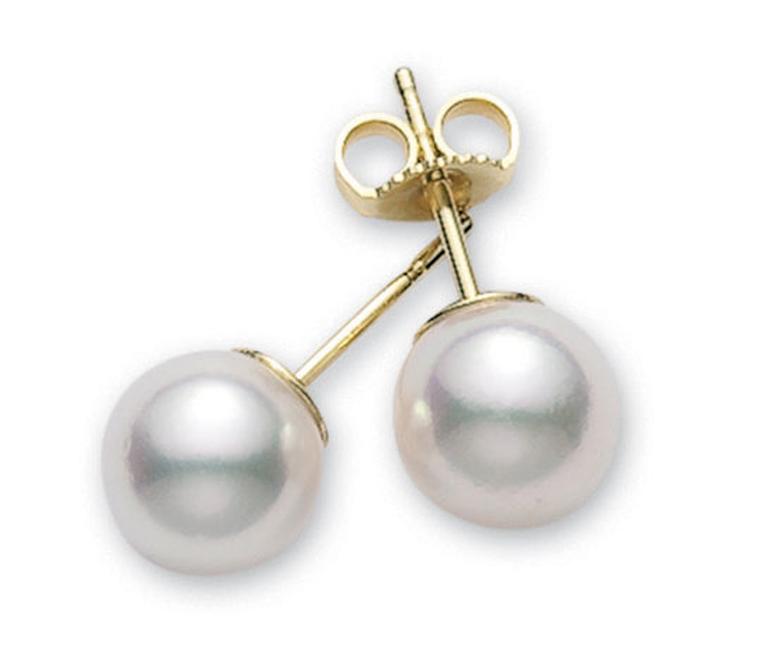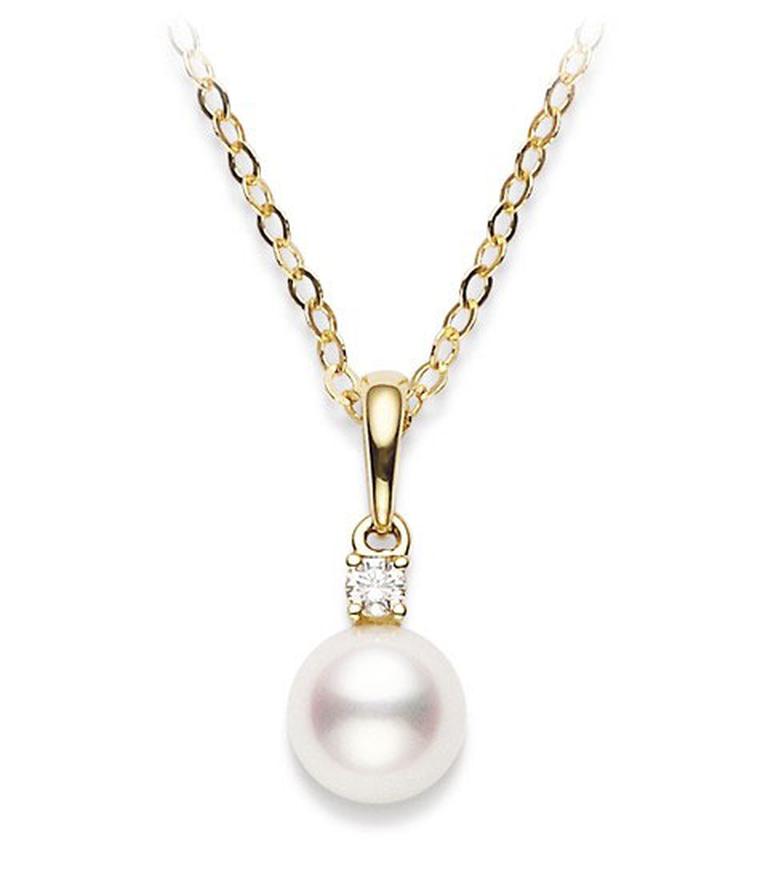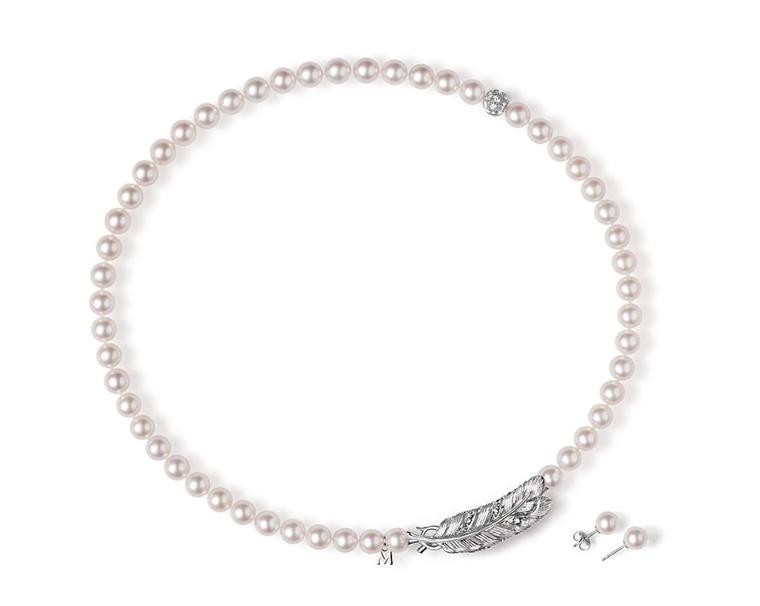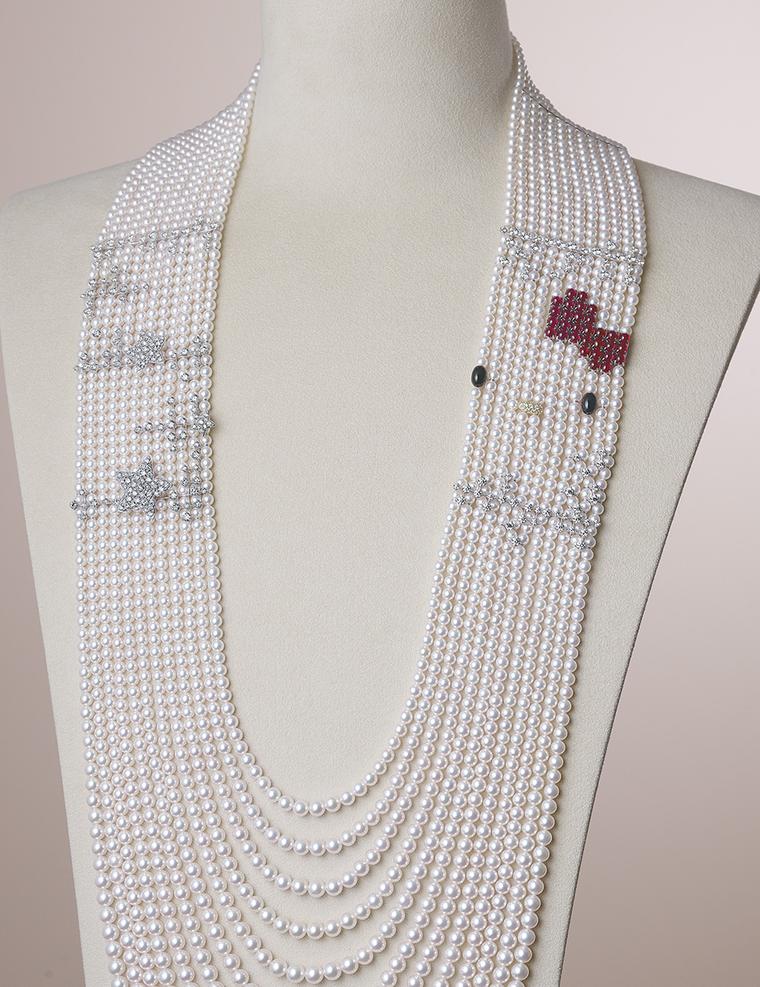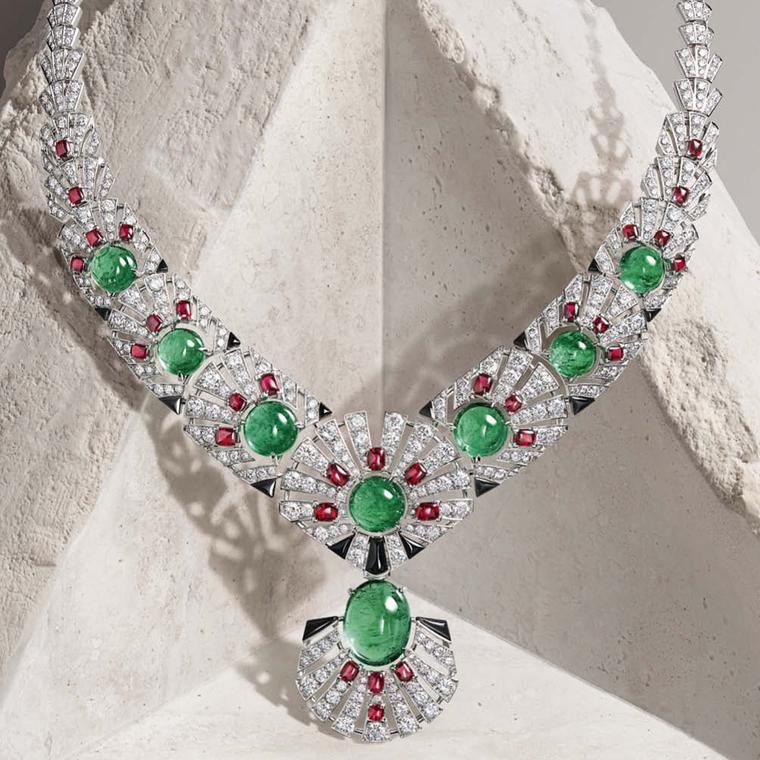
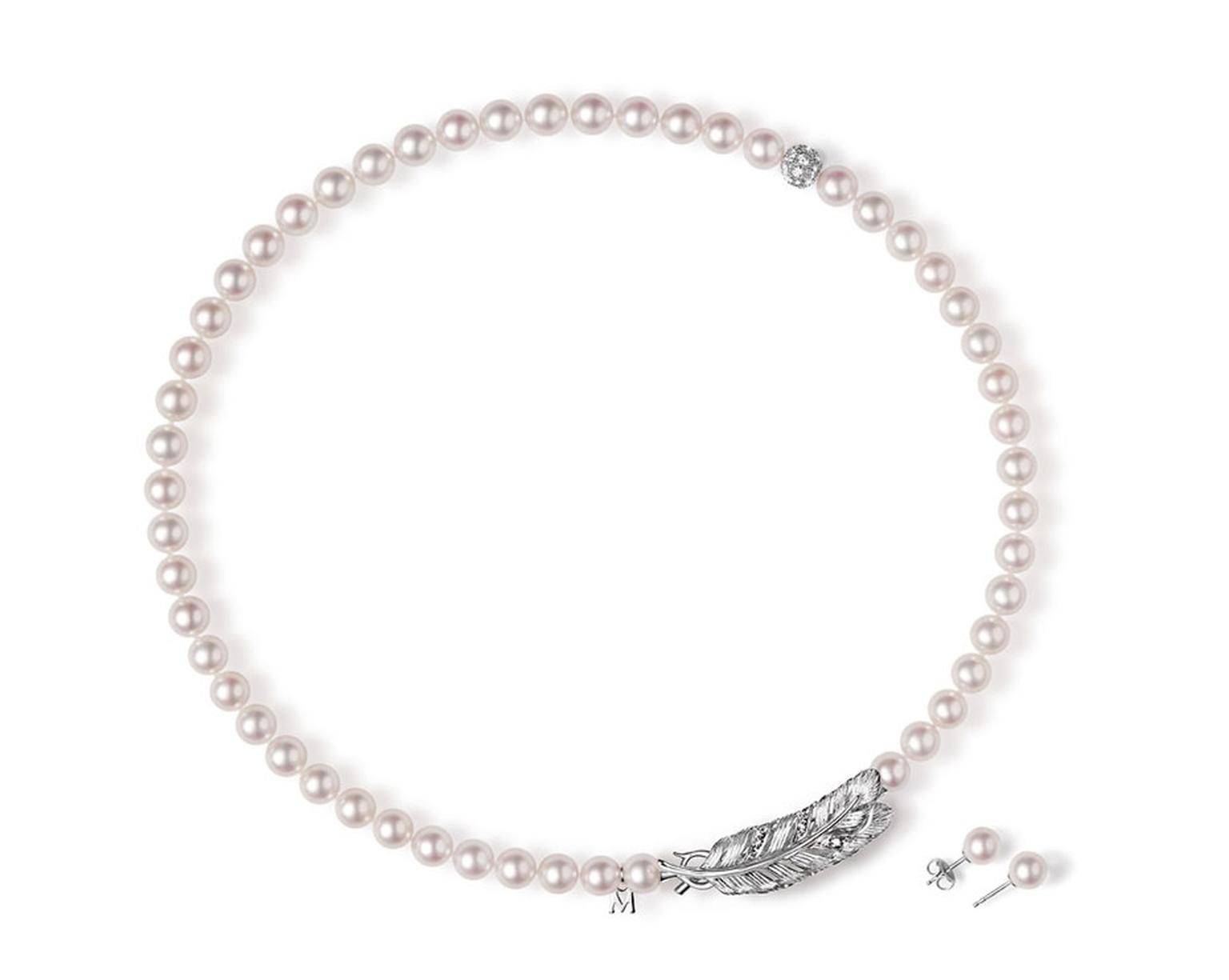
Mikimoto is the king of pearls so before embarking on any pearl purchasing, it is worth having a look at their website. Be inspired by new ideas as there was a time, not so long ago, when pearls were white and worn in double rows with demure twin sets, pussy-cat bow blouses and little black dresses, to the accompaniment of the click of kitten heels. Beautiful as creamy white pearls may be, today we are becoming more adventurous in our tastes and experimenting with new ways to wear the eternally elegant pearl.
The extreme rarity and unique iridescence of natural pearls have inspired man throughout the ages making them coveted jewels to adorn history's most illustrious characters. Unlike gemstones that are buried deep inside the Earth, pearls are created by living organisms that thrive in freshwater and marine environments. Pearls are highly sensitive barometers of our delicate ecosystem and like a canary in a coalmine, the molluscs, snails and conchs that produce pearls are sensitive to the slightest fluctuations in the waters surrounding them.
Given the scarcity of natural pearls, most pearls sold worldwide are cultured. And when it comes to cultured pearls, one name stands out: Mikimoto, because over a century ago, an enterprising Japanese man called Kokichi Mikimoto perfected the art of culturing spherical pearls, no mean feat given that even mother nature has a hard time producing perfectly round pearls. Although experiments had been successful in producing freshwater pearls -known asmabe- it was not until 1893 when Mikimoto's perseverance was recompensed as he held a perfectly spherical white Akoya pearl in his hand. Mikimoto had performed something short of a miracle.
A pearl is formed when an irritant gets accidentally trapped inside a mollusk's shell provoking it to secrete a defensive layer of aragonite and conchiolin -composites of nacre- around the intruder. Over time the layers of nacre build up around the hostile presence to produce any one of nature's rainbow of pearly hues ranging from creamy white to black. Given the odds of finding a natural pearl -with only one occurring every 10,000 or so mollusks- it took an ingenious and patient entrepreneur to cultivate and corner this unique market.
A healthy oyster is selected according to shell thickness and nurtured for two years in large baskets suspended in the sea. Following the nursery stage, the delicate procedure of seeding the oyster with a round shaped irritant takes place. Then it's back to the sea for another two to three years before harvesting, a task that was traditionally entrusted to female divers known asama.
The company's proprietary grading system for cultured pearls is based primarily on criteria of luster and surface with grades ranging from A to AAA. You can be sure that each Mikimoto pearl has been scrutinized for luster, colour, shape and surface perfection -four words to keep in mind when choosing pearls.
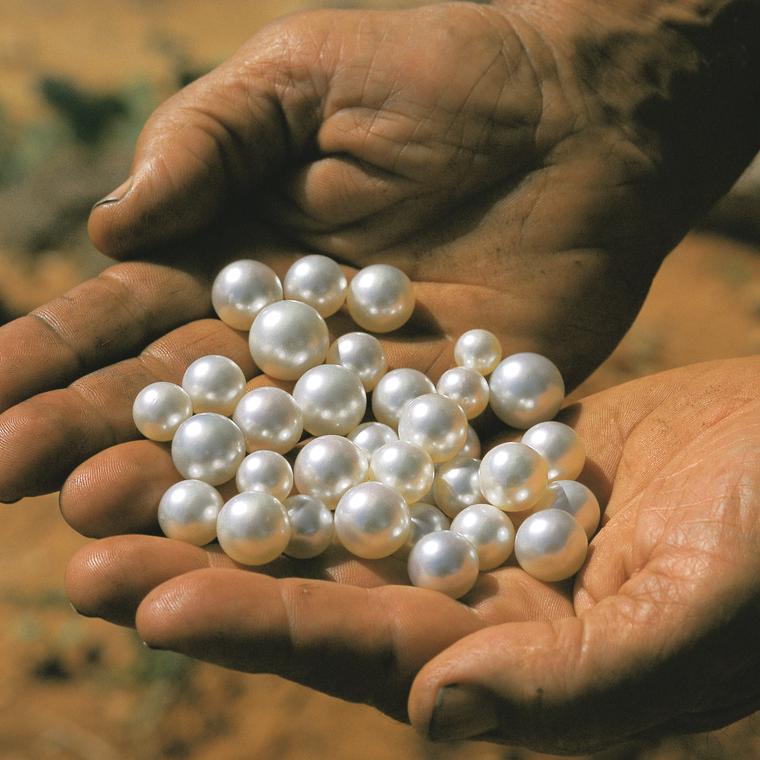
Luster is the surface glow of a pearl and occurs when light refracts off the round surface of a pearl, much like a convex mirror. Layers and layers of nacre create the unique iridescence of pearls that picks up the colours of the rainbow. Colour is a more subjective issue, but size and shape do count when buying cultured pearls. Perfectly round pearls and large dimensions will confer greater value on the pearl. Tiny surface imperfections are part of a pearl's natural texture but generally, the cleaner the surface, the higher its value.
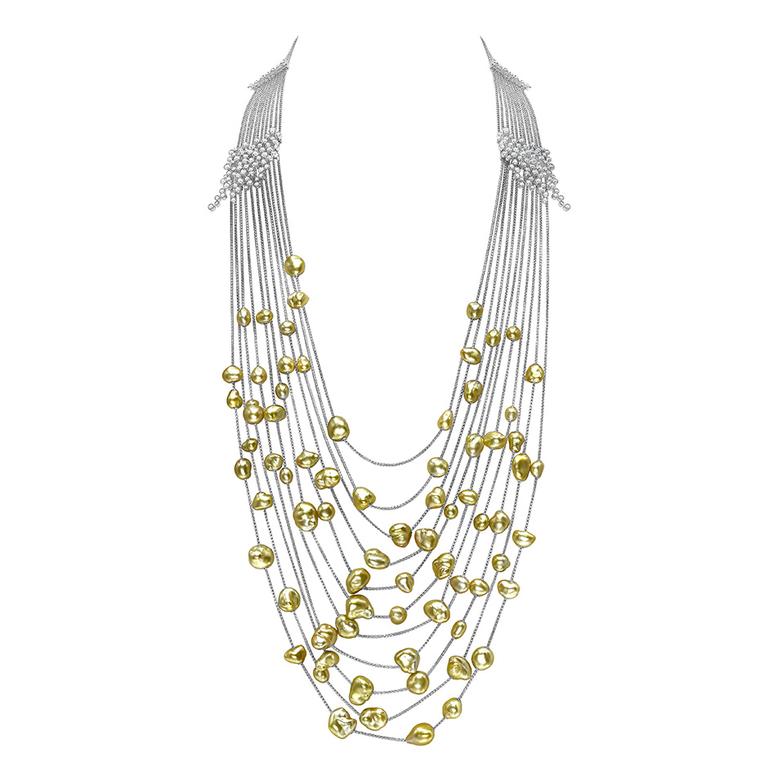
Mikimoto is also renowned for its South Sea and Tahitian pearls that come in a spectacular array of natural colours ranging from the creamy whites and rare golds of the South Sea to the pale greys, greens and blacks from Tahitian waters. Mikimoto's Black South Sea cultured pearls are considered by many connoisseurs as the most precious of all with their fascinating colour palette often compared to the shimmering tones of a peacock's tail. Larger in size than the Akoya, Mikimoto's South Sea pearls include silver coloured pearls produced by Silver Lipped Oysters and sumptuous golden pearls from the Gold Lipped oyster. The fact that it can take almost 12 harvest years to create a necklace only adds to their allure.
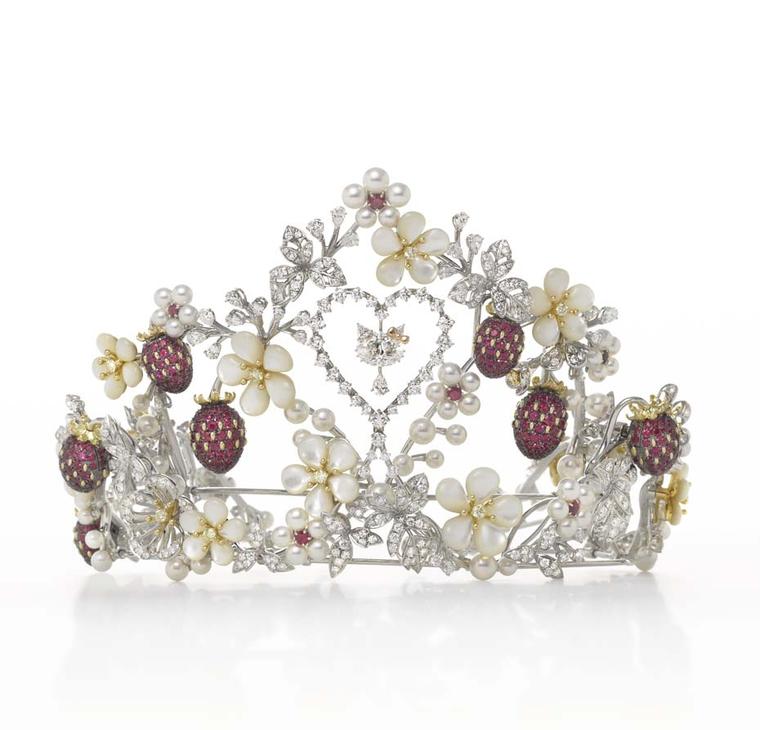
Have a look at some of Mikimoto's latest design, created to make one of nature's most beautiful offerings even more tempting.
Care for your pearls
Pearls should last forever if you follow these simple rules:
- Store them separately from diamonds, which could scratch the surfaces of the pearls.
- Do not spray perfume directly onto pearls.
- Wipe pearls off before putting them away to remove any acidic elements such as perfume or perspiration.
- restring regularly to avoid that dreaded moment of pearls cascading from your neck onto the pavement and rolling away forever